




Decorative Canvas Art
These decorative canvas art pieces bring historic painted scenes and panels into modern interiors.
Decorative Canvas Art
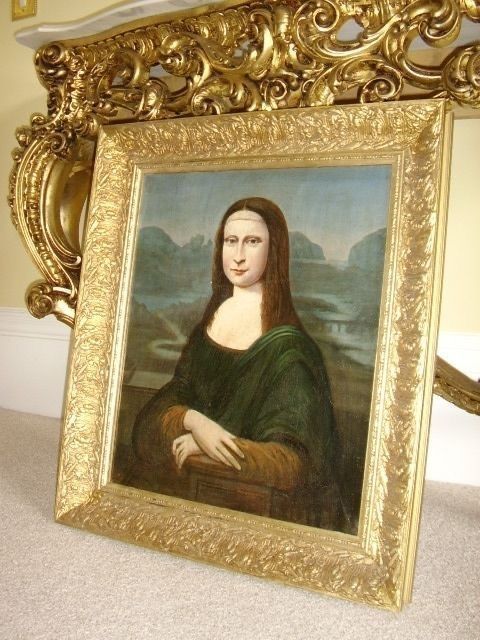
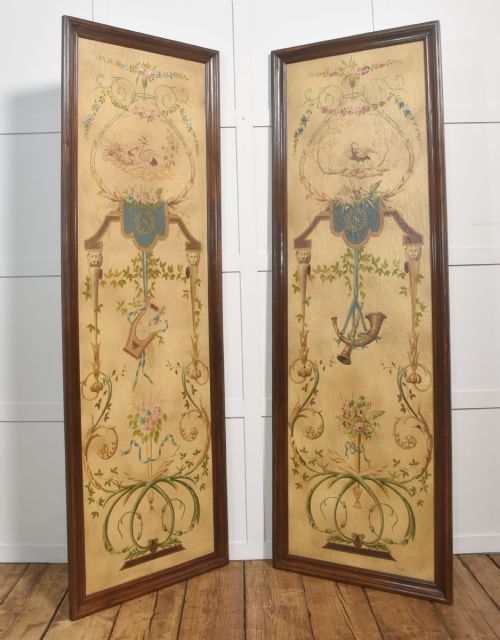
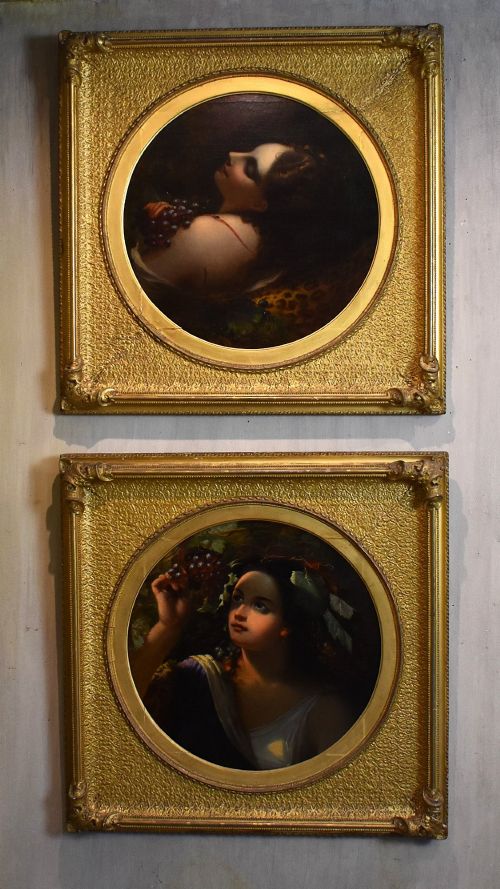
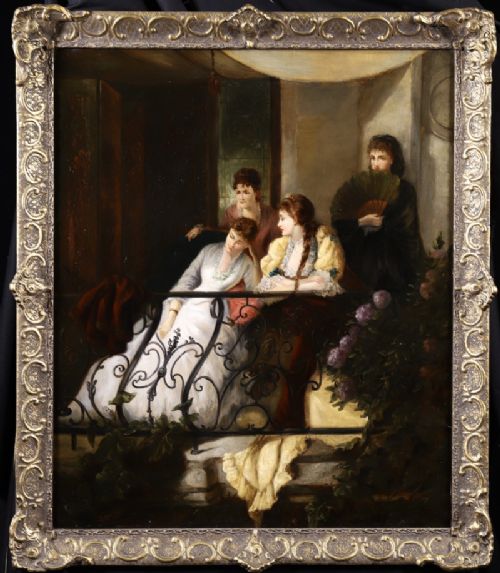
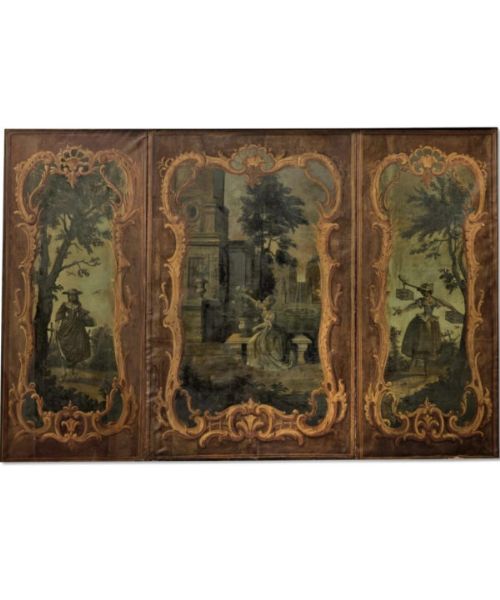
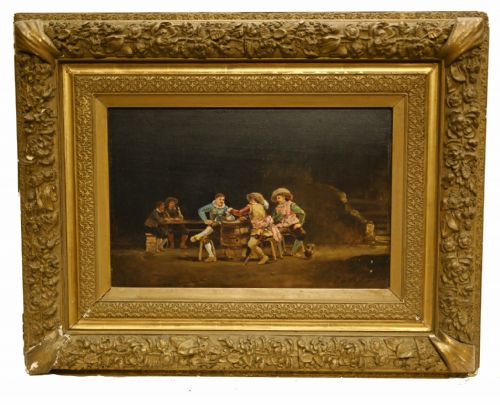
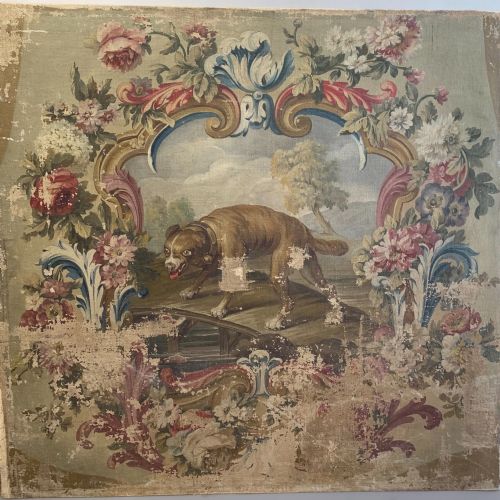
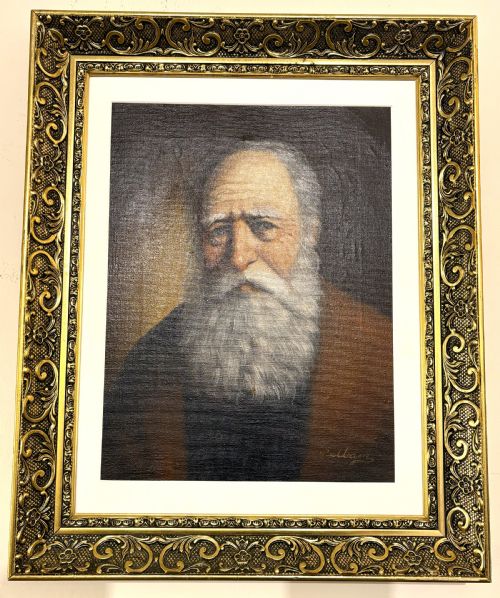
Decorative canvas art encompasses oil paintings, painted panels, and wall hangings spanning the seventeenth century through to the mid-twentieth century. You encounter framed portraits, pastoral landscapes, and architectural panels designed specifically to ornament walls.
The selections on this page lean heavily toward nineteenth-century works, alongside eighteenth-century classical pieces and mid-century compositions. Common formats include oil on canvas, hand-painted wall panels, and decorative triptychs.
Makers and schools represented range from Dutch seventeenth-century painters to nineteenth-century French artists and twentieth-century British painters. Many pieces serve as decorative wall panels or framed canvases meant to anchor a room.
Assessing quality in painted canvases
Quality rests upon the skill of the brushwork, the depth of the composition, and the preservation of the original paint surface on the canvas. Finer works display confident handling of light, shadow, and anatomical or architectural detail.
The integration between the canvas art and its original wooden framing or panel mount also dictates overall merit. Intact period stretcher frames and original gilded wood elements elevate the integrity of the piece.
Decorative Canvas Art Retail Price Guide 2026
Typical asking prices for decorative canvas art among the pieces listed under this phrase on Sellingantiques today, from the lower quarter to the upper quarter. They describe what is for sale here now, not the wider market.
Listings span the 17th, 18th, 19th, and 20th centuries, featuring oil on canvas, gilded wood, and tempera.
Theodore Jensen·Stuart Armfield·Ruth Prowse·Constant Ludovic Artz·Frank Myers Boggs·John Gilroy
The Decorative Canvas Art Glossary
- Chiaroscuro
- The strong contrast between light and dark within a painting to create dramatic volume and depth. This technique defines many traditional portraits and tavern scenes.
- Grisaille
- A painting executed entirely in shades of grey or neutral monochrome, often designed to imitate sculpture or stone relief. Grandgrisaille panels appear frequently in historic decorative schemes.
- Trompe l'oeil
- An art technique that uses realistic imagery to create the optical illusion that the depicted objects exist in three dimensions. Cherubs and architectural elements often utilise this method.
- Triptych
- A picture or relief carving on three panels, typically hinged together side by side. These portable altarpieces or decorative wall hangings fold or display as a unified composition.
- Tempera
- A permanent, fast-drying painting medium consisting of coloured pigment mixed with a water-binder agent. Mid-century still lifes occasionally employ this ancient method.
Decorative Canvas Art: Frequently Asked Questions
Where should I hang decorative canvas art?
These painted panels and framed canvases suit principal living spaces, dining rooms, and hallways where they act as focal points. Pair them with traditional architectural moulding to echo their historic origins.
Ensure the room humidity remains stable to protect the historic canvas and wooden stretcher frames from warping over time.
How do I identify a painted panel from a standard canvas?
Painted panels typically feature canvas laid down onto a rigid wooden board or directly onto a structural wooden wall panel. Standard canvases remain stretched over an open wooden frame with space behind the fabric.
Examine the edges and reverse of the piece to see the underlying support structure and mounting method.
What is grisaille painting?
Grisaille is a monochrome painting technique executed entirely in grey or neutral grey-blue tones. Artists historically used this method to simulate stone carvings, bas-reliefs, or architectural plasterwork.
These pieces offer a restrained, classical aesthetic that integrates easily into neutral contemporary interiors.
How do I care for antique oil paintings?
Keep painted canvases away from direct sunlight and extreme temperature fluctuations to prevent the oil paint from cracking. Dust the surface gently with a soft, dry brush without applying pressure.
Avoid using liquid cleaners or damp cloths on historic paint surfaces; consult a professional conservator for deeper cleaning.