




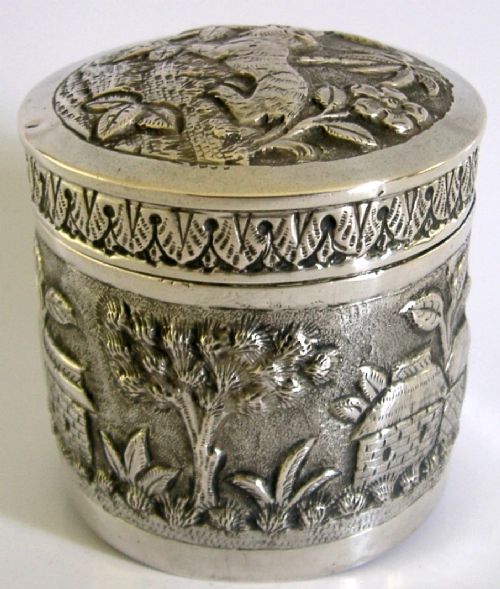
Decorative Caddy
These decorative caddy selections bring 18th-century, Regency, and Victorian craftsmanship into daily life, offering enclosed storage with distinct period character.
Decorative Caddy
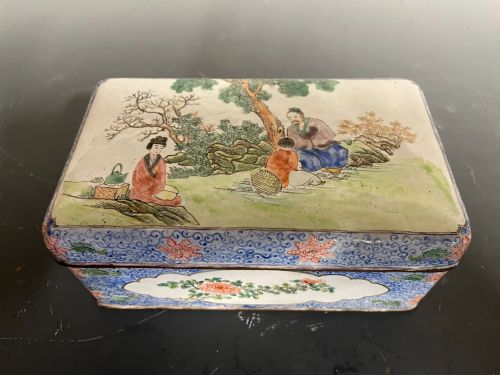
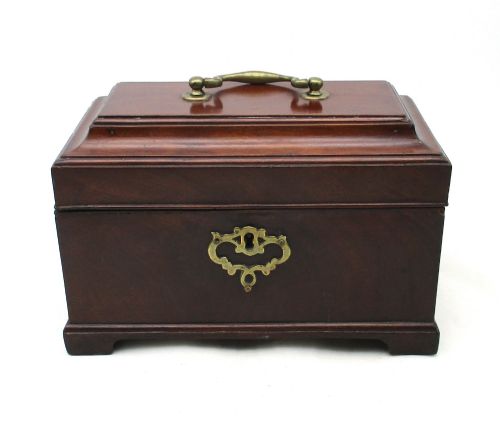
A decorative caddy encompasses refined wooden boxes, metal canisters, and tortoiseshell caskets originally intended for leaf tea storage. When searching for this phrase, buyers encounter examples spanning the Georgian, Regency, and Victorian periods.
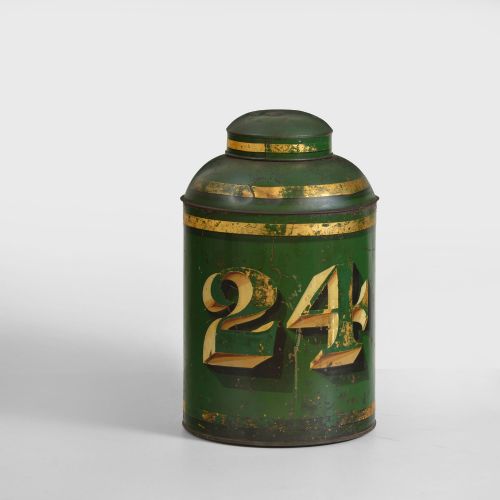
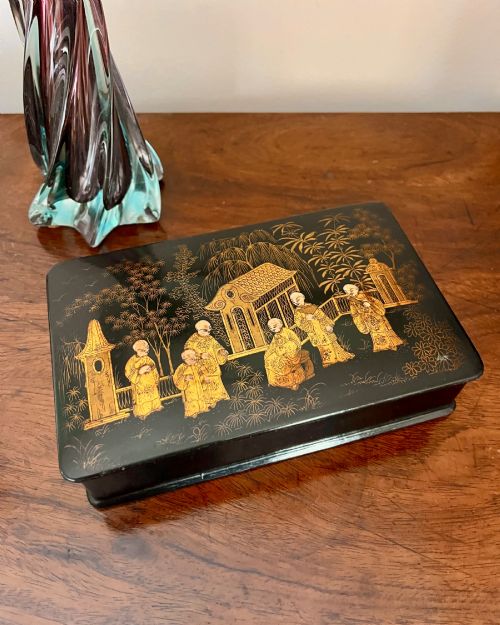
The versions most frequently met on this page include mahogany, rosewood, and lacquered boxes featuring fitted interiors, alongside metal spice pots and painted toleware canisters.
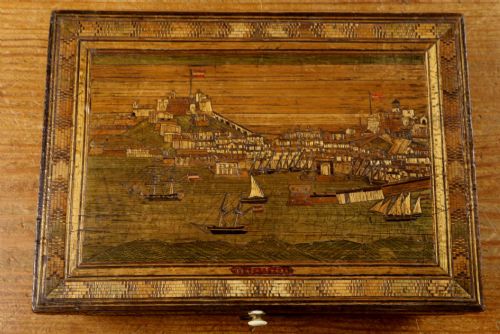
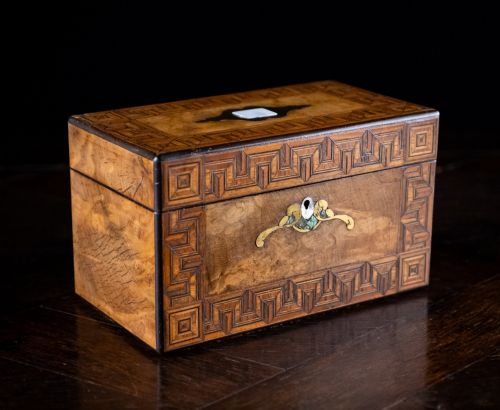
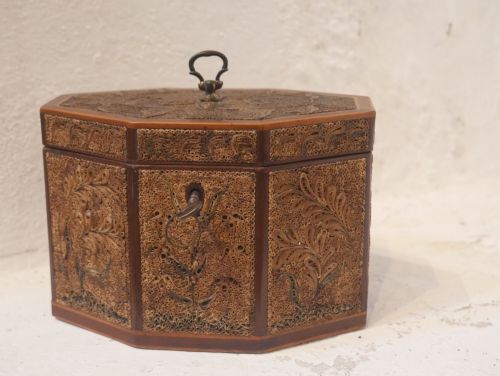
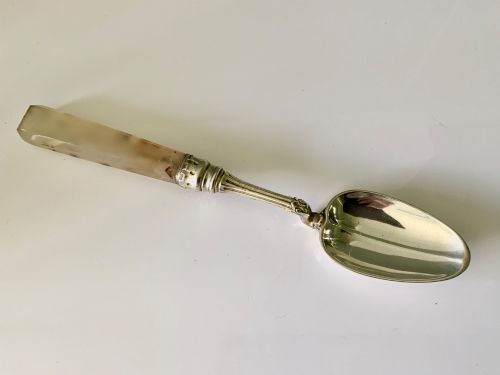
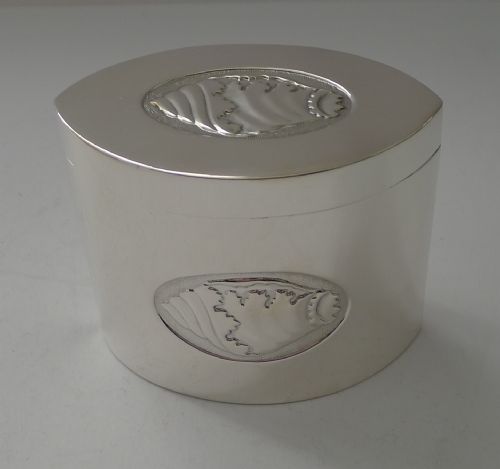
Beyond standard tea storage, the category stretches to include straw work boxes, parquetry caskets, and silver desk containers designed for household organisation.
Materials and construction
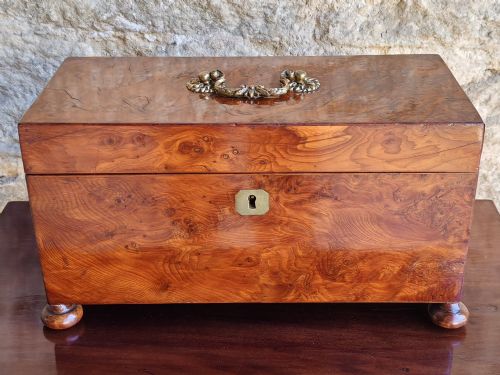
Constructed primarily from timber frames of walnut, yew, padouk, and oak, these pieces utilise dense hardwoods that resist warping over centuries. Craftsmen applied decorative veneers like satinwood and tortoiseshell to exterior surfaces.
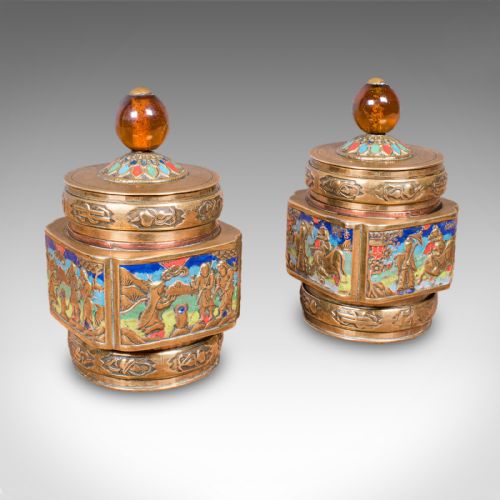
Detailing involves brass stringing, mother-of-pearl inlay, and intricate paper scrollwork known as quilling. Metal examples employ solid silver, champleve enamel, and painted toleware techniques.
Interiors often incorporate compartments lined with foil or fitted with glass mixing bowls, demonstrating precise carpentry and joinery.
Decorative Caddy Retail Price Guide 2026
Typical asking prices for decorative caddy among the pieces listed under this phrase on Sellingantiques today, from the lower quarter to the upper quarter. They describe what is for sale here now, not the wider market.
Distinctions in quality
Quality rests upon the precision of the parquetry inlay, the integrity of the veneer work, and the survival of original interior fittings such as glass bowls and caddy spoons. Pieces displaying complex Tunbridge Ware patterns or intricate straw work demand higher regard.
The condition of delicate exterior materials like tortoiseshell and lacquer dictates the standing of a piece within its period. Intact hardware, functioning locks with keys, and original painted finishes separate standard utility boxes from superior examples.
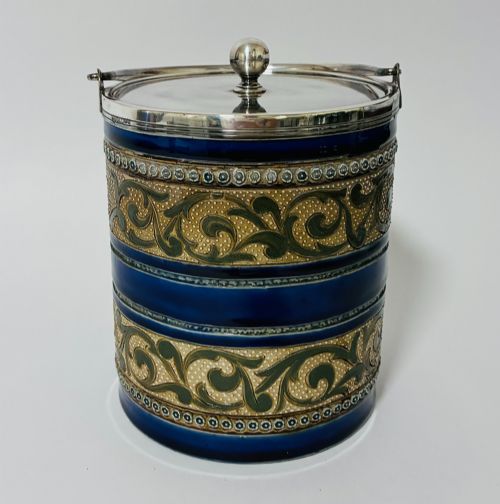
Tahan of Paris·Doulton Lambeth
The Decorative Caddy Glossary
- Tea caddy
- A small box or chest designed to hold loose tea leaves. These containers often featured multiple internal compartments and lockable lids.
- Toleware
- Metalware, typically tin or iron, coated with a lacquer or painted finish. This technique produced durable canisters and boxes in various colours.
- Parquetry
- Geometric mosaic woodwork formed by fitting small wooden tiles together. Craftsmen applied this technique to create patterned surfaces on lids and panels.
- Champleve
- An enamelling technique where troughs are carved into a metal surface and filled with vitreous enamel. This method creates colourful decorative patterns on metal boxes.
- Sarcophagus
- A monumental coffin shape adapted for small boxes during the Regency period, characterised by a domed lid and resting on bun feet.
Decorative Caddy: Frequently Asked Questions
What was inside a tea caddy?
Original interiors typically contained two or three metal canisters for green and black tea leaves, alongside a central mixing bowl made of glass.
Wealthy households kept these boxes locked to control access to expensive imported tea leaves.
How do I date a wooden caddy?
Dating relies on architectural styles, such as Regency sarcophagus shapes or Georgian bracket feet, combined with construction methods like dovetailing.
Secondary woods inside the box and the type of hinges also help establish the manufacturing decade.
Are these boxes still useful today?
Collectors utilise these lidded boxes to store jewellery, keepsakes, and desk accessories while displaying period craftsmanship in living spaces.
The compartmentalised interiors lend themselves naturally to modern desktop organisation.
How do I care for tortoiseshell?
Tortoiseshell requires stable humidity levels and protection from direct sunlight to prevent warping and cracking over time.
Gentle dusting with a dry microfibre cloth preserves the glossy finish without chemical cleaners.