



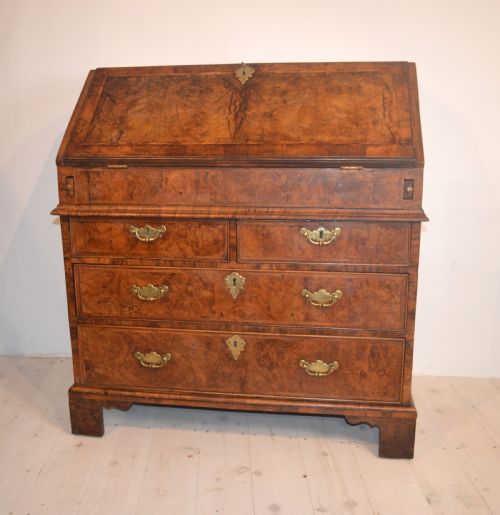
Decorative Bureau
These decorative bureau pieces bring fitted writing compartments and striking marquetry into the room, offering practical workspace alongside rich period craftsmanship.
Decorative Bureau
A decorative bureau combines a writing surface with concealed compartments, storage drawers, or drop-front desks designed for domestic correspondence and record-keeping.
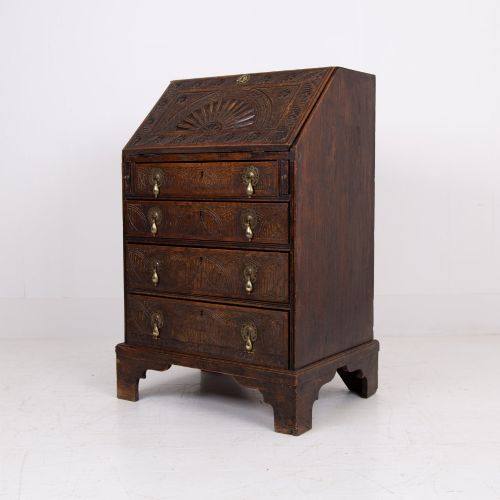
The selections available here range from compact French ladies' desks and cylinder desks to traditional walnut and oak drop-front forms spanning the eighteenth, nineteenth, and early twentieth centuries.
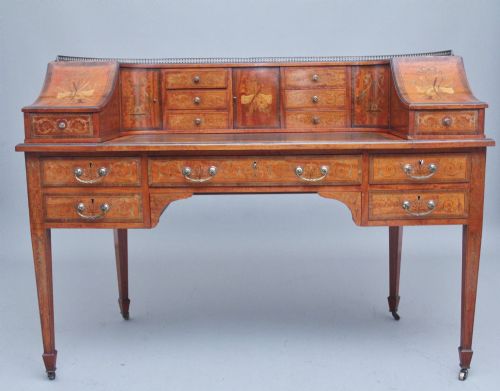
Makers utilised various stylistic revivals, incorporating French Rococo, Sheraton, and Chinoiserie details to elevate standard writing furniture into ornamental focal points.
How they were made
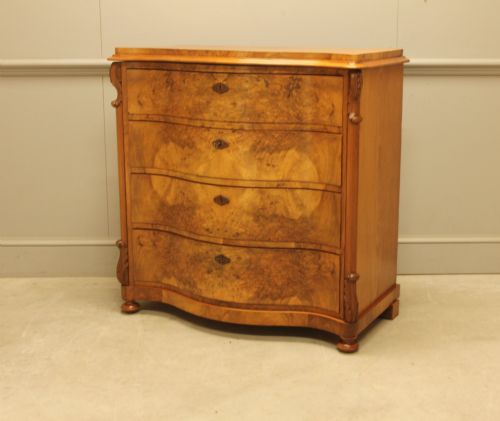
Cabinetmakers constructed these pieces using foundational timbers like mahogany, walnut, and oak, often applying figured veneers such as burr walnut and satinwood across primary surfaces.
Decorative elements frequently include intricate marquetry inlay, painted porcelain plaques, and cast brass or ormolu mounts fitted around structural joints and drawers.
Decorative Bureau Retail Price Guide 2026
Typical asking prices for decorative bureau among the pieces listed under this phrase on Sellingantiques today, from the lower quarter to the upper quarter. They describe what is for sale here now, not the wider market.
What varies in quality
The refinement of the internal fitted compartments and the precision of the exterior marquetry or inlay work set finer examples apart from simpler utilitarian writing desks.
Superior pieces display consistent timber selection with matching veneer grains, alongside high-grade cast metal mounts and well-fitted internal drawers that operate smoothly.
The Decorative Bureau Glossary
- Bureau
- A writing desk featuring a sloping drop-front lid that opens to reveal pigeonholes and small drawers. This form provides both concealed storage and an active writing surface.
- Marquetry
- The art of applying pieces of veneer to a structure to form decorative patterns and pictorial designs. Craftsmen carefully cut contrasting woods to create detailed surface decoration.
- Ormolu
- Gilded bronze mounts applied to furniture for decorative effect during the eighteenth and nineteenth centuries. These metal fixtures enhance the architectural lines of French revival pieces.
- Cylinder desk
- A writing table with a rolling curved wooden shutter that conceals the desk interior. When closed, the mechanism protects the writing surface and papers from dust.
Decorative Bureau: Frequently Asked Questions
Where were these desks placed?
These writing desks typically stood in private sitting rooms, bedrooms, or libraries where correspondence and daily accounts took place.
Their compact footprints allowed them to function in principal reception rooms without overwhelming the domestic layout.
How do I care for the wood?
Maintain these polished timber surfaces by keeping them away from direct sunlight and sudden temperature shifts that risk cracking the veneers.
Apply traditional wax sparingly and buff gently with a soft cloth to preserve the finish without building up heavy residues.
How are periods identified?
Dating relies on examining construction methods, timber choices, and stylistic revival cues such as French Rococo or Sheraton details.
Secondary woods and interior drawer linings often clarify the exact era of manufacture.