



Decorative Bronze Lamp
A decorative bronze lamp brings substantial weight and period character to a room, turning classical foundry work or sleek modern lines into a practical light source.
Decorative Bronze Lamp
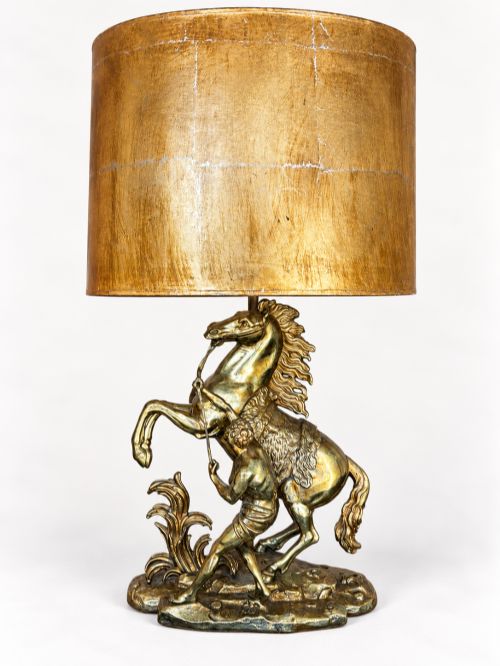
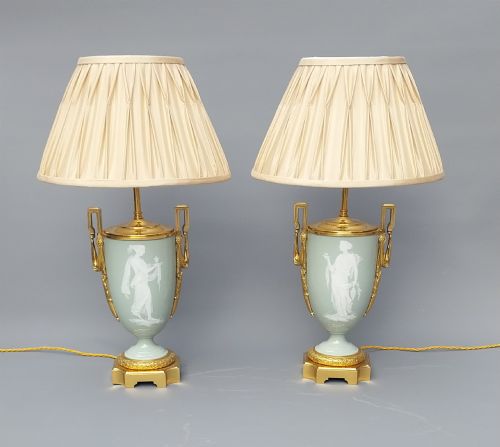
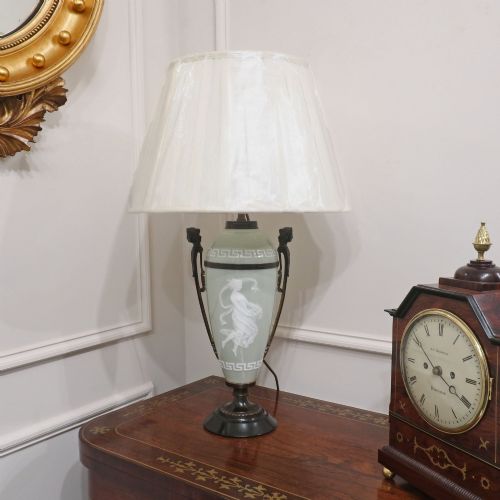
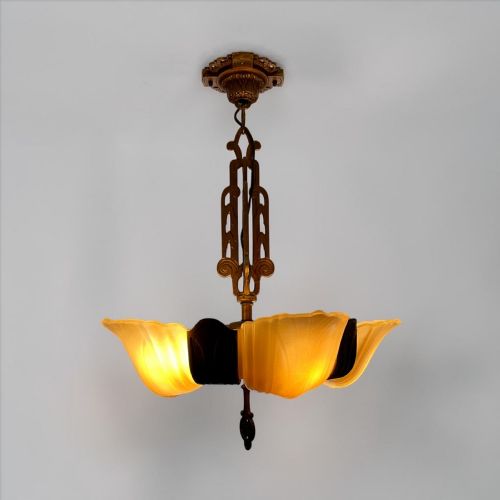
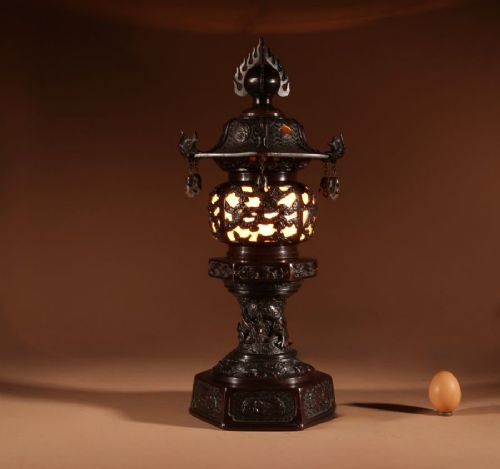
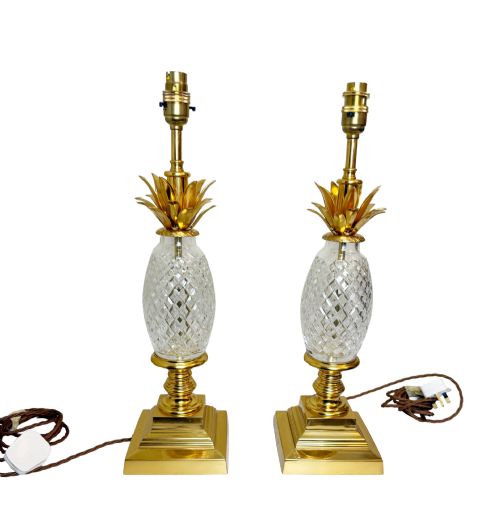
A decorative bronze lamp spans a broad spectrum of historical design, appearing most frequently on this page as nineteenth-century French table lamps or early twentieth-century creations. These pieces adapt various foundational forms, ranging from converted ewers and classical urns to figural sculptures and candelsticks.
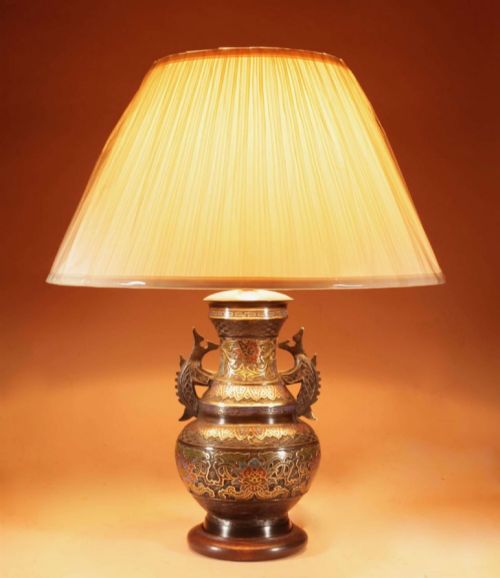
The selection encompasses distinct regional expressions, uniting European Neoclassical, Louis XVI, Art Nouveau, and Art Deco aesthetics alongside Japanese Meiji period bronzes. Table lamps dominate the inventory, though floor standards, ceiling lights, and lamp bases also appear.
Makers and foundries utilised diverse motifs, incorporating mythological figures, cherubs, mermaids, and natural botanical elements into the cast metalwork. Many examples integrate secondary bodies of porcelain, marble, glass, or crystal to create compound decorative objects.
Materials and technique
Makers constructed these pieces primarily through metal casting, employing standard bronze, gilt bronze, and ormolu finishes to achieve varying surface sheens. Ormolu application involved mercury gilding on cast bronze, producing a bright, durable golden layer that endures on French salon pieces.
Artisans combined the cast metal frames with contrasting structural elements such as white marble bases, moulded glass shades, and delicate porcelain bodies. Techniques like champlevé and cloisonné enamel added polychrome decoration directly onto the bronze surfaces of Asian export pieces.
Decorative Bronze Lamp Retail Price Guide 2026
Typical asking prices for decorative bronze lamp among the pieces listed under this phrase on Sellingantiques today, from the lower quarter to the upper quarter. They describe what is for sale here now, not the wider market.
Several lamps double as mermaids and cherubs, proving that nineteenth-century domestic lighting took its mythological responsibilities rather seriously.
Distinctions in quality
Quality reveals itself primarily in the crispness of the bronze chasing and the depth of the foundational casting. Superior examples display sharply defined facial expressions, intricate drapery folds, and clean foliage without the softening typical of secondary casts.
The integration of mixed materials dictates the upper tier of the range, where fine marble, flawless rock crystal columns, or hand-painted porcelain insert seamlessly into the metal mounts. Maker attribution and signed foundry signatures also elevate certain figural and Art Nouveau pieces above anonymous production.
Georges Leleu·Emile Picault·Henri Honore Ple
The Decorative Bronze Lamp Glossary
- Ormolu
- Finely ground high-carat gold applied to a bronze base through a mercury amalgamation process. This historic technique creates a warm, enduring golden lustre characteristic of fine French metalwork.
- Champlevé
- An enamelling technique where troughs are dug into the bronze surface and filled with coloured vitreous paste before firing. It produces vibrant, flush patterns across Japanese and European decorative objects.
- Pâte-sur-pâte
- A ceramic decoration method where wet porcelain slip is built up in successive layers on a base body to create low-relief cameos. These panels frequently adorn French porcelain lamp bodies.
- Cloisonné
- Enamelling work created by soldering thin metal wire compartments onto a bronze body and filling them with coloured enamel. The grid of wires remains visible between the fired glass pastes.
- Casting
- The fundamental process of pouring molten metal into a prepared mould to form the primary shape of the lamp. Hand-chasing follows this step to refine the raw metal surface.
Decorative Bronze Lamp: Frequently Asked Questions
How do I identify a period bronze lamp?
Examine the casting quality, fastener types, and surface patination to determine the likely era of manufacture. Nineteenth-century examples often feature hand-chased details and heavy foundational bronze that differs from later production methods.
Compare the stylistic motifs, such as classical urns or floral Art Nouveau tendrils, against known design periods. French pieces frequently carry foundry marks or signatures near the base that assist with precise dating.
Can I use these lamps with modern wiring?
Most antique lighting requires professional rewiring to meet current safety standards and voltage requirements. Electricians can usually replace worn internal cords while preserving the historic exterior metalwork and original sockets.
Ensure that any conversion respects the structural integrity of the piece, particularly when dealing with hollow bronze figures or delicate porcelain bodies. Proper installation protects both the lamp and your domestic space.
What maintenance do bronze lamps require?
Dust the metal surfaces regularly with a soft, dry cloth to prevent the accumulation of grime in recessed chasing. Avoid abrasive commercial cleaners that can strip away historic patination or damage gilt finishes.
Preserve marble and porcelain components by wiping them gently with a damp cloth without touching exposed wiring. Consistent, gentle care maintains the natural sheen of the bronze over decades of use.