



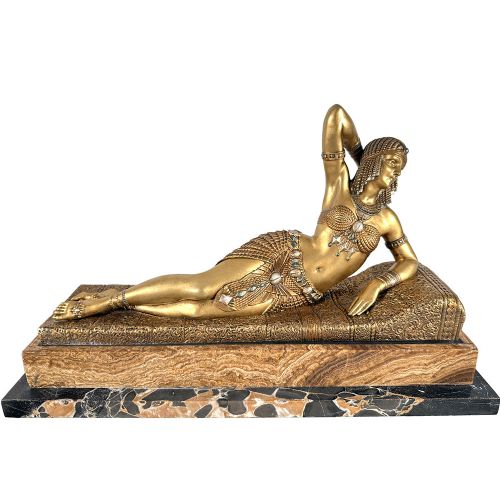

Decorative Bronze Figurine
A decorative bronze figurine brings sculptural presence to a room, offering tactile weight and historic detail from the nineteenth and twentieth centuries.
Decorative Bronze Figurine
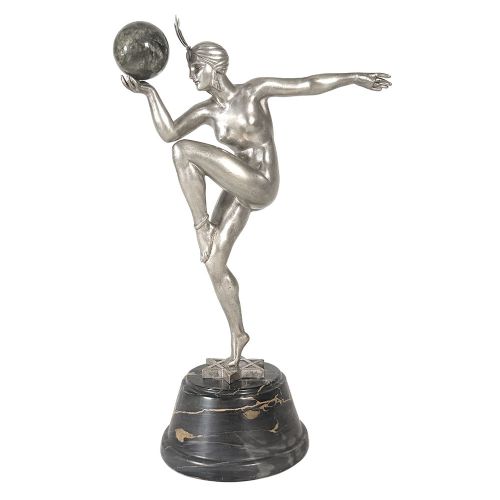
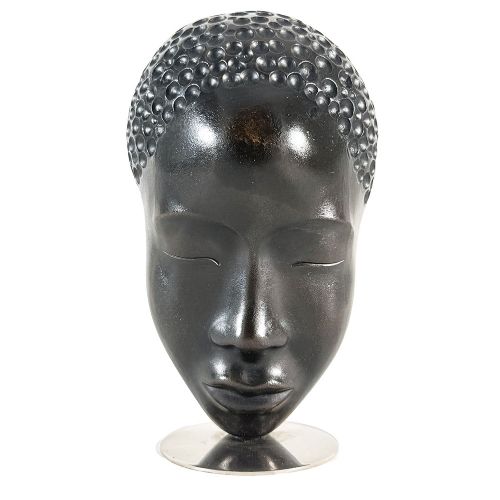
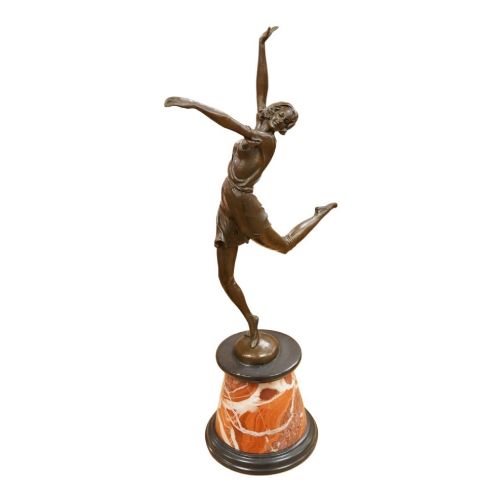
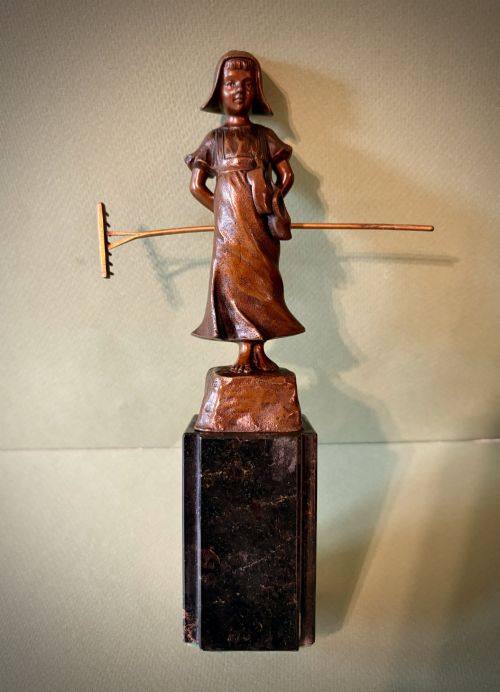
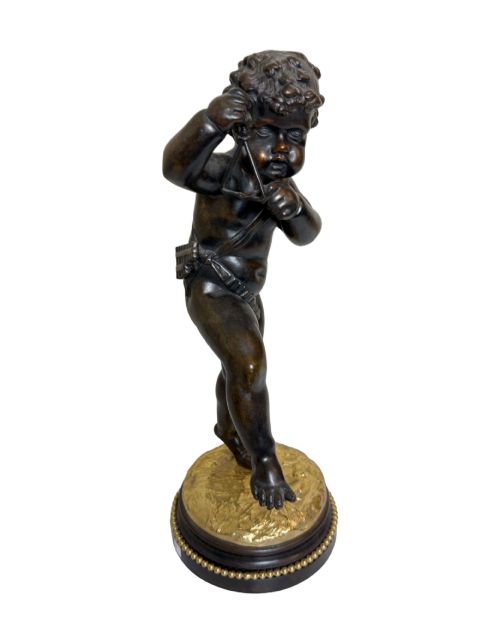
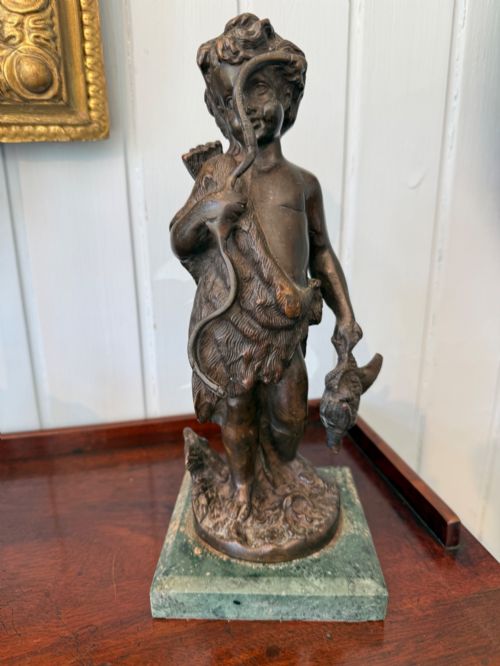
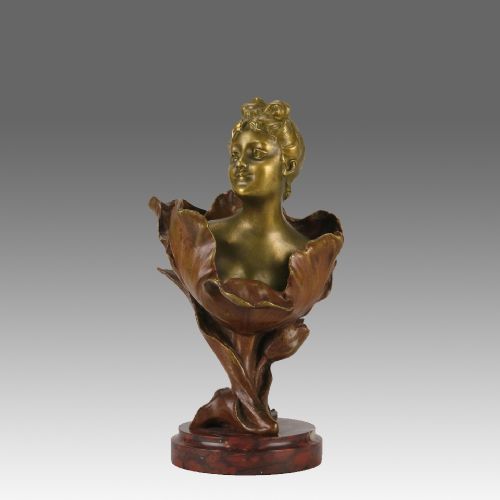
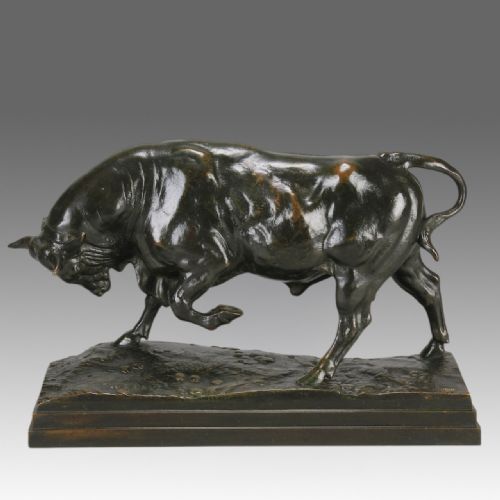
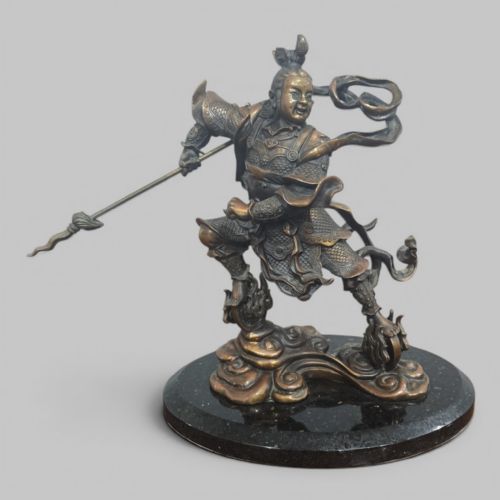
A decorative bronze figurine represents human figures, animals, and mythological subjects cast in metal during periods such as the nineteenth century, the Victorian era, and the Art Deco movement. These works take the form of tabletop sculptures, busts, dancers, and desk accessories.
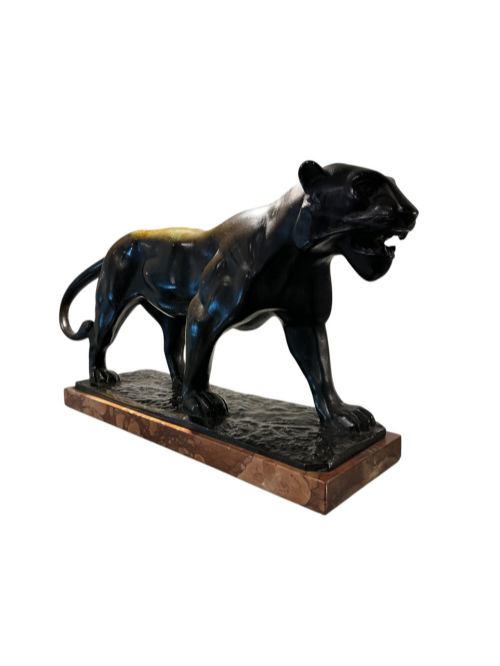
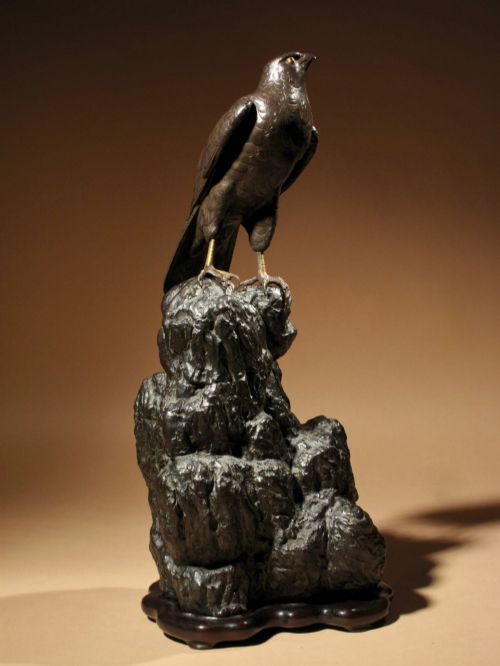
The versions most frequently met on this page include Art Deco dancers, animalier studies of wildlife, and nineteenth-century French figures often mounted on stone bases.
Originating largely from European foundries and makers, these objects served as interior ornaments and mantle decorations.
How they were made
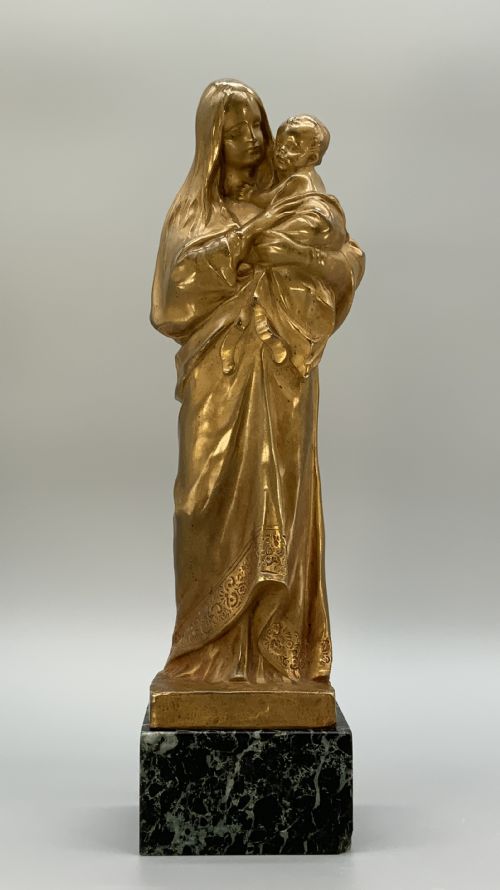
Foundries utilised traditional casting methods to shape bronze, gilt bronze, silvered bronze, and spelter into intricate forms. Many figures incorporate cold-painted colour or patination to enhance surface detail.
Makers frequently mounted completed metal sculptures onto structural bases made of marble, onyx, or wood to provide stability and visual contrast.
Decorative Bronze Figurine Retail Price Guide 2026
Typical asking prices for decorative bronze figurine among the pieces listed under this phrase on Sellingantiques today, from the lower quarter to the upper quarter. They describe what is for sale here now, not the wider market.
Listings feature works spanning the nineteenth century through the Art Deco period, utilising bronze, gilt bronze, spelter, and marble bases.
What varies in quality
The refinement of the casting and the crispness of the surface chasing separate masterworks from ordinary production. Subtle hand-finishing reveals feather textures, facial expressions, and drapery folds with distinct clarity.
Material selection also dictates standard, where dense natural marble bases and genuine patinated bronze elevate an object above spelter alternatives.
Hagenauer·Maurice Giraud-Rivière·Bruno Zach·Hans Müller·Antoine Louis Barye·Henri Godet·Demetre Chiparus·Fabergé·Haruyama Shunzan·Lucien Madrassi·Edith Parsons·P J Mene·Josef Lorenzl·Barbedienne·Alexandre Kelety·Ferdinand Preiss·Isidore Jules Bonheur·Ugo Cipriani
The Decorative Bronze Figurine Glossary
- Animalier
- A nineteenth-century artistic style focusing on realistic depictions of animals, particularly predators, domestic livestock, and birds in motion.
- Patinated bronze
- Metal treated with chemical solutions to produce a controlled surface colour or dark protective finish.
- Spelter
- A zinc alloy frequently utilised as a cost-effective substitute for bronze in nineteenth and early twentieth-century decorative figures.
- Ormolu
- Gilded bronze ornamentation applied to furniture, clocks, and decorative objects during the eighteenth and nineteenth centuries.
- Cold-painted bronze
- Metal figures decorated with unfired paint applied directly to the surface after casting.
Decorative Bronze Figurine: Frequently Asked Questions
How do I clean a bronze figurine?
Dust the surface gently with a soft, dry brush to remove particles without disturbing the patination.
Avoid using water, commercial metal polishes, or harsh chemical cleaners that strip the historic finish.
What is the difference between bronze and spelter?
Bronze is a durable copper and tin alloy that accepts fine detail and holds rich patination over centuries.
Spelter is a softer zinc-based metal that feels lighter and often shows a distinct grey core beneath worn paint.
Why are marble bases used?
Marble and onyx bases provide necessary physical weight to anchor slender figures and prevent tipping.
They also frame the metallic sculpture visually, a convention popularised during the Art Deco era.
How can I tell the period?
Stylistic cues such as streamlined Art Deco geometries or nineteenth-century romantic realism point toward specific eras of production.
Foundry marks, artist signatures, and material combinations provide further clues for dating.