

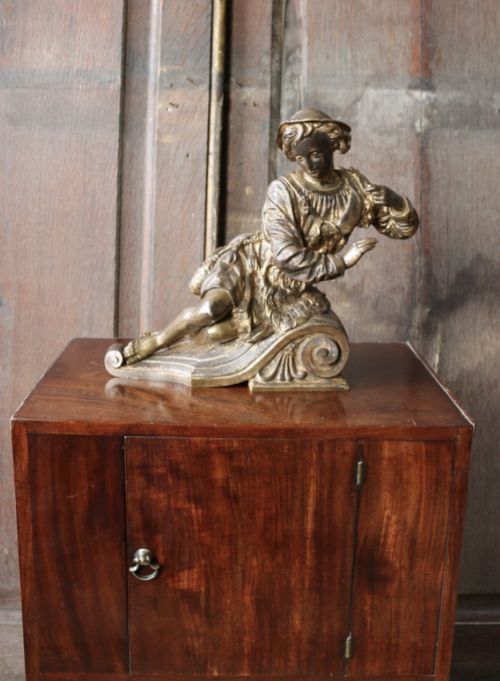
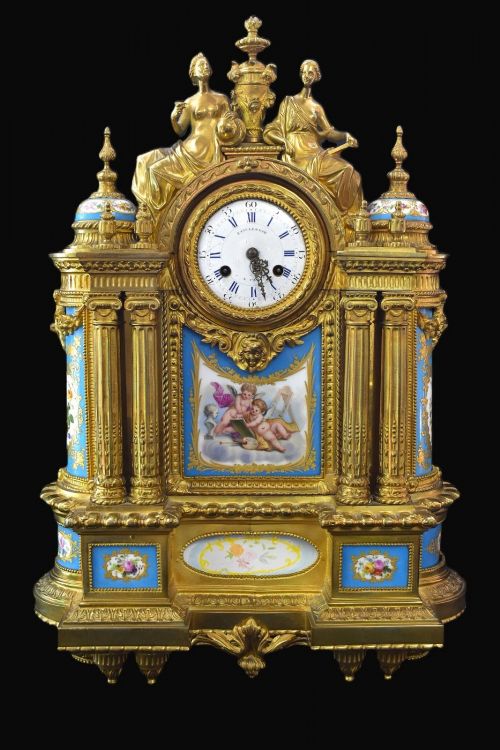


Decorative Brass Figures
These decorative brass figures span centuries of foundry work, bringing character, heft and rich metallic lustre to any room.
Decorative Brass Figures
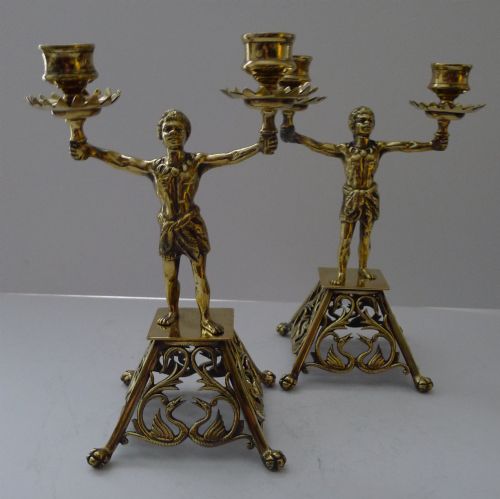
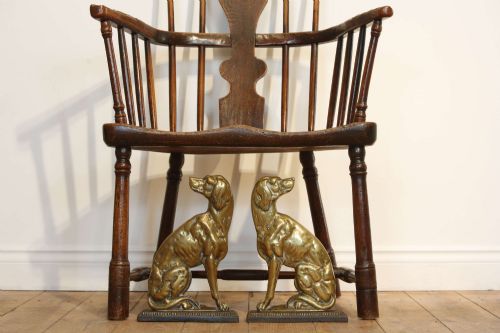
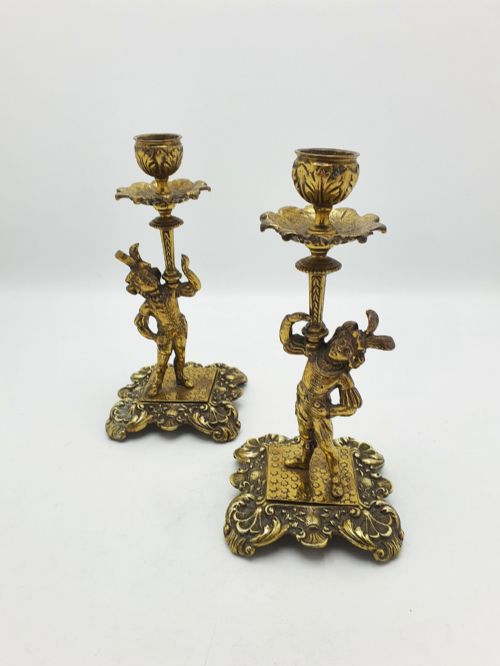
Decorative brass figures encompass a diverse array of cast metalwork, ranging from nineteenth-century Victorian figural candlesticks and architectural sea serpents to Chinese imperial cloisonné cranes and early twentieth-century novelties. When exploring decorative brass figures, collectors encounter both functional items like andiron statuettes and purely sculptural animal and human forms.
Stylistic influences vary widely across the inventory, touching upon French Renaissance revival, Napoleon III, Chinoiserie and Victorian folk art. This eclectic mix ensures that each piece carries distinct regional characteristics and period-specific casting techniques.
Materials and construction
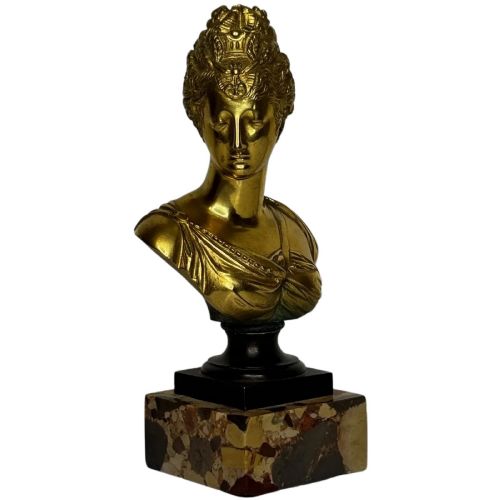
Foundries primarily utilised brass, bronze, gilt bronze and ormolu, often combining these metals with wood, copper and cloisonne enamel for added visual depth. Metalworkers employed traditional casting methods to achieve the fine detail visible in feathered birds, architectural sea serpents and figural busts.
Surface finishes range from polished golden brass to rich patinated bronze and applied gilding, sometimes accented with enamel work or porcelain inserts. These varied treatments allowed makers to create striking contrasts between matte textured surfaces and burnished highlights.
Decorative Brass Figures Retail Price Guide 2026
Typical asking prices for decorative brass figures among the pieces listed under this phrase on Sellingantiques today, from the lower quarter to the upper quarter. They describe what is for sale here now, not the wider market.
A personal eagle from Belinda Gentle's collection sits alongside Chinese quails and mythical sea serpents.
Assessing quality and execution
The distinction between ordinary production and superior craftsmanship lies in the crispness of the chasing and the finesse of the surface detail. Finer castings retain sharp anatomical lines, distinct feather or scale patterns and smooth joins, whereas lesser examples often exhibit softened contours and heavy, obscuring patination.
The weight of the metal and the complexity of the assembly also signal superior manufacture, particularly in multi-part figures and clock housings. Well-executed pieces demonstrate careful hand-finishing after the casting process, ensuring balanced proportions and stable bases.
Etienne Lenoir·Japy Freres
The Decorative Brass Figures Glossary
- Ormolu
- A finely ground gold-mercury amalgam applied to bronze or brass objects, creating a rich golden surface finish. This technique was widely utilised by French makers on decorative clock cases and mounts.
- Cloisonne
- An ancient enamelling technique where vitreous paste is applied within compartments formed by soldered wire strips on a metal base. Chinese artisans frequently used this method for decorative animal figures.
- Chasing
- The manual refinement of a cast metal surface using hammers and small punches to sharpen details and remove blemishes. Skilled chasing separates high-grade sculptural metalwork from basic commercial production.
- Patina
- The natural or chemically induced surface sheen and coloration acquired by metals over decades of exposure and handling. Collectors value a stable, undisturbed patina for its evidence of age.
- Spelter
- An alloy of zinc and lead used as a cheaper alternative to bronze or brass for figural casting. It typically accepts gilding or bronze paint to imitate more costly metals.
Decorative Brass Figures: Frequently Asked Questions
What is the difference between brass and bronze?
Brass is primarily an alloy of copper and zinc, yielding a brighter, more golden hue when polished. Bronze is an alloy of copper and tin, producing a darker, denser metal suited to fine sculptural casting.
Many antique items combine both metals or apply surface gilding, making visual identification dependent on weight, colour undertones and age-related oxidation patterns.
How can I tell the period of a figure?
Examine the casting quality, tool marks on the underside and stylistic markers associated with specific eras like the Victorian period or Napoleon III. Assemblage methods, such as the type of screws or pins used internally, also offer clues to age.
Comparing the decorative motifs against documented historical styles helps narrow down whether a piece originates from the eighteenth, nineteenth or early twentieth century.
Where were these figures typically displayed?
Many of these pieces occupied prominent positions on mantelpieces, desks and sideboards within affluent nineteenth-century homes. Figural candlesticks and clocks served both decorative and practical domestic functions in reception rooms.
Larger animal sculptures and architectural figures were often placed in studies, libraries or entry halls to project taste and global curiosity.