





Decorative Brass Cooler
These decorative brass cooler pieces combine utility with craftsmanship, offering sturdy vessels that bring period character to any interior.
Decorative Brass Cooler
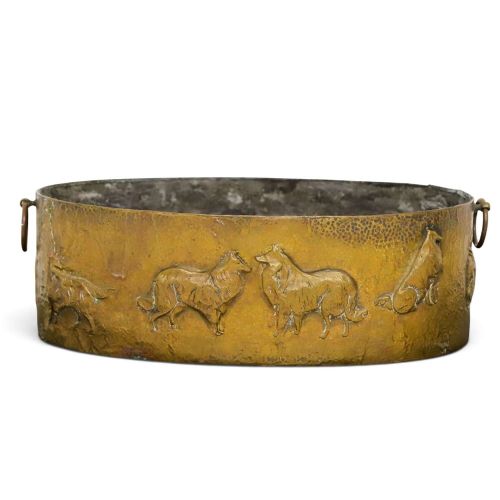
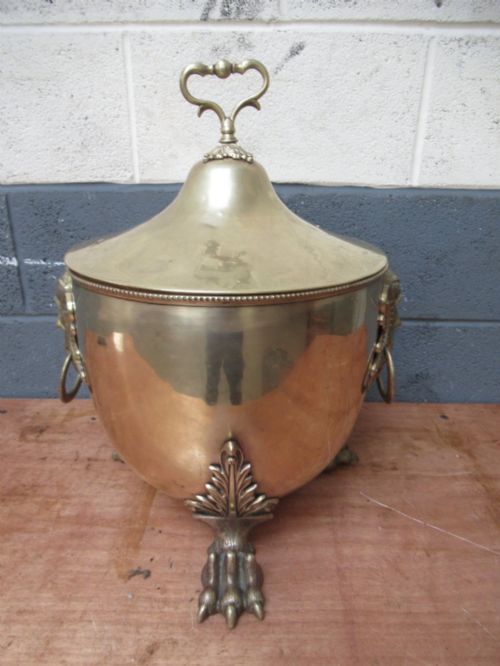
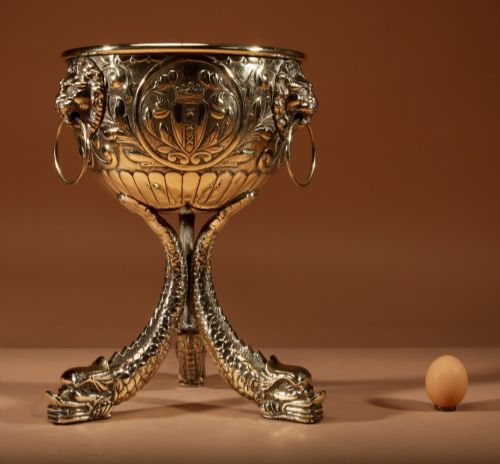
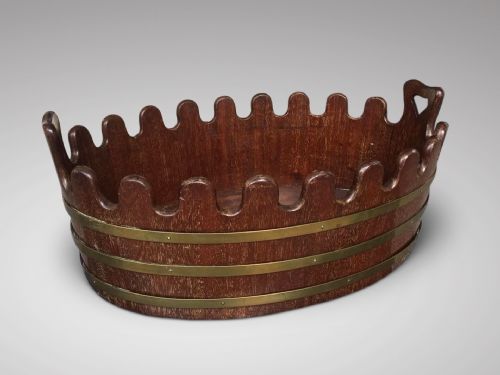
A decorative brass cooler serves as a versatile vessel, appearing across eras from the eighteenth century to the early twentieth century in forms such as planters, jardinières, wine coolers, and ice servers. You will encounter cylindrical planters, handled trophy vases, and coopered timber buckets bound in brass or copper.
The objects span multiple stylistic revivals, including French Rococo, Renaissance, and Dutch Colonial designs, alongside Edwardian and Victorian utilitarian pieces. Many examples double as jardinieres or coal buckets, reflecting the adaptability of brass vessels in domestic spaces.
Origins range across English country workshops, Dutch cooperatives, and French ateliers, uniting timber and metalwork. These items ground a room with substantial weight and polished metallic surfaces.
Materials and construction methods
Makers utilised heavy sheet brass and cast bronze components, often combined with turned timbers like mahogany, oak, walnut, and teak. Coopered construction relies on tight wooden staves bound together by robust brass hoops and rivets.
Surface decoration involved hand-embossing, piercing, and dinanderie work, creating textured relief patterns across the metal bodies. Liners in zinc or copper were frequently fitted internally to hold moisture and protect the wooden structures from water damage.
Decorative Brass Cooler Retail Price Guide 2026
Typical asking prices for decorative brass cooler among the pieces listed under this phrase on Sellingantiques today, from the lower quarter to the upper quarter. They describe what is for sale here now, not the wider market.
Some vessels started life holding peat for the hearth before ending up as smart living room planters.
Assessing quality and craftsmanship
Quality rests in the precision of the cooperage and the depth of the metalwork, where hand-embossed motifs show crisp definition rather than soft casting. The integration between timber staves and brass mounts indicates the skill of the original workshop.
Substantial gauge brass and well-figured timbers like mahogany or walnut elevate the piece beyond standard utilitarian ware. Original liners and intact handles retain the historical integrity of the vessel.
The Decorative Brass Cooler Glossary
- Coopered
- Made by assembling curved wooden staves bound together with metal bands, traditionally used for casks and buckets. This technique gives wooden planters their distinct ribbed profile.
- Dinanderie
- The historical term for brass and bronze articles produced in the Meuse Valley region. It denotes specific types of beaten and cast decorative metalware.
- Jardiniere
- An ornamental pot or stand designed to hold growing plants or flowers. These vessels often feature waterproof metal liners.
- Trophy vase
- A large two-handled vessel modelled on classical athletic prizes, adapted for domestic display. They appear in nineteenth-century French metalwork.
Decorative Brass Cooler: Frequently Asked Questions
What is a decorative brass cooler?
A decorative brass cooler is a metal-bound vessel or planter designed for domestic use, often combining brass with timber staves.
These pieces served various functions historically, from holding wine and ice to housing indoor plants and peat.
How do I date a brass cooler?
Dating relies on stylistic clues, manufacturing techniques, and the combination of materials like mahogany, oak, or teak.
Victorian and Georgian pieces show different joinery methods and revival styles compared to early twentieth-century examples.
Were these used for wine?
Many coopered brass and timber buckets functioned as wine or champagne coolers in period dining rooms.
Waterproof liners made of zinc or copper protected the wooden staves from melting ice and moisture.
How do I care for brass?
Maintain the metal with gentle dusting and minimal intervention to preserve the natural historical patina.
Avoid harsh chemical polishes that strip away the aged surface character accumulated over centuries.