





Decorative Bedroom Commode
These decorative bedroom commode pieces bring painted surfaces, rich veneers and varied regional character straight into domestic spaces.
Decorative Bedroom Commode
A decorative bedroom commode encompasses chests of drawers fashioned for personal chambers across several centuries. They combine functional storage with striking visual presence through painted finishes, fine veneers and distinctive regional forms.
You encounter examples ranging from 18th century European pieces to 20th century English, French and Scandinavian interpretations. The core format remains a chest of drawers, though executed with decorative flair that lifts it above utilitarian furniture.
Materials and construction
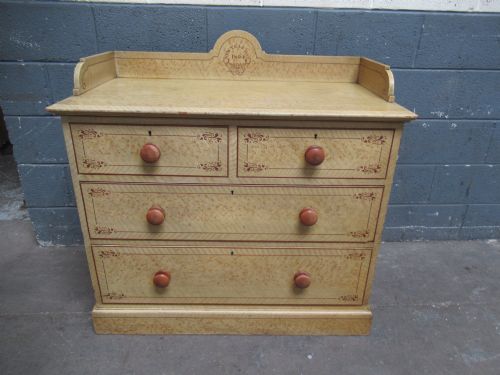
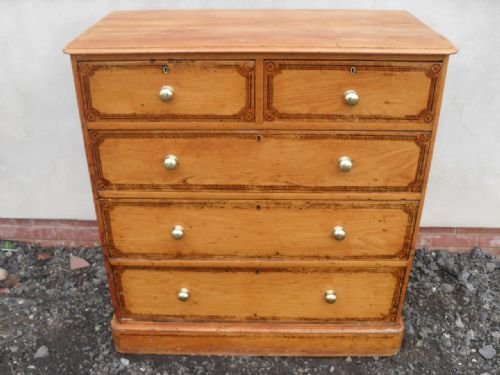
Cabinetmakers utilised structural timbers such as pine and solid wood carcasses as foundations for elaborate surface decoration. Paint, lacquer and Japanning provide colourful or patterned exteriors that define the visual impact of many pieces.
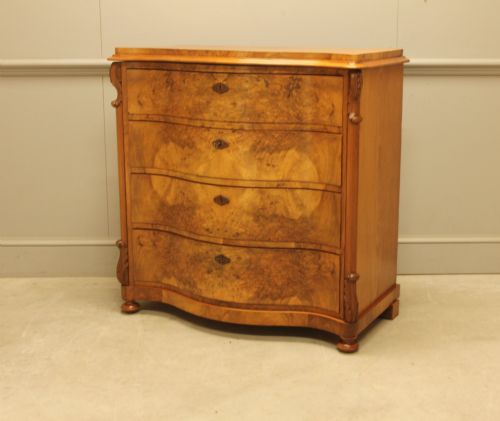
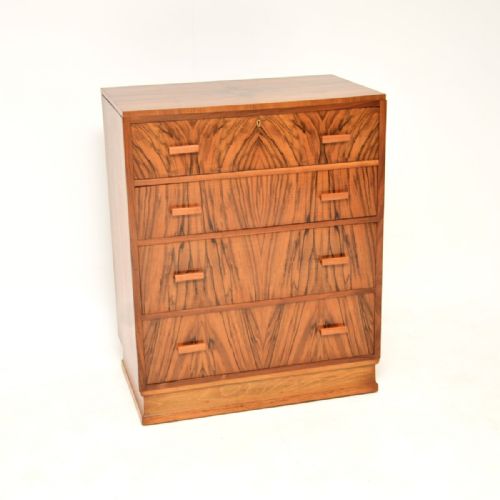
More formal interpretations employ figured walnut, burr walnut veneer and flame mahogany. These timber surfaces rely on careful grain matching and inlay to achieve their decorative effect without heavy reliance on applied ornament.
Decorative Bedroom Commode Retail Price Guide 2026
Typical asking prices for decorative bedroom commode among the pieces listed under this phrase on Sellingantiques today, from the lower quarter to the upper quarter. They describe what is for sale here now, not the wider market.
One cheerful Victorian pine survivor keeps its original paint and a recorded date, proving someone felt very pleased with their handiwork in 1890.
Judging quality and character
Quality rests in the harmony of the proportions and the execution of the surface finish, whether hand-painted flora, Chinoiserie motifs or polished burr veneers. The crispness of drawer construction and the integration of original brass hardware elevate an example.
Regional execution introduces distinct charm, from French Provincial curves to Welsh country pine and Swedish serpentine outlines. The distinction lies in how confidently the maker handled timber and pigment to create a cohesive object.
The Decorative Bedroom Commode Glossary
- Commode
- A low chest of drawers or cabinet designed for domestic chambers. This term often implies a more decorative or formal character than a standard chest.
- Japanning
- A European imitation of East Asian lacquerwork popular on decorative furniture. It involves layered varnishes and often depicts figures or landscapes.
- Serpentine
- A curved furniture front characterised by a convex centre flanked by concave sides. This undulating shape requires advanced cabinetmaking skill.
- Veneer
- A thin slice of figured wood applied over a secondary timber base. This technique displays rich grain patterns like burr walnut or flame mahogany efficiently.
Decorative Bedroom Commode: Frequently Asked Questions
Where do I place a commode?
These pieces suit bedrooms, hallways and living spaces where surface presence matters. Their drawers offer practical storage while the top provides a display area.
Consider the scale of the room and surrounding furniture. A painted or veneered commode works well as a focal point against neutral walls.
How do I care for painted surfaces?
Painted and lacquered finishes require gentle dusting with a soft, dry cloth. Avoid harsh chemical cleaners that can lift or dull historic paint.
Keep pieces away from direct sunlight and excessive moisture to protect the timber and the decorative layers applied over the decades.
What periods are represented?
The selection spans from the eighteenth century through the nineteenth century and into the twentieth century. Styles range from Georgian and Victorian to Art Deco and French Provincial.
Each era brings different priorities in timber selection, whether solid pine with folk paint or highly figured walnut veneers.
Are these pieces purely decorative?
While the exterior finish draws the eye, every example functions as a usable chest of drawers. The internal construction matches standard storage requirements.
Buyers select them to combine everyday utility with distinct aesthetic character derived from historic cabinetmaking traditions.