



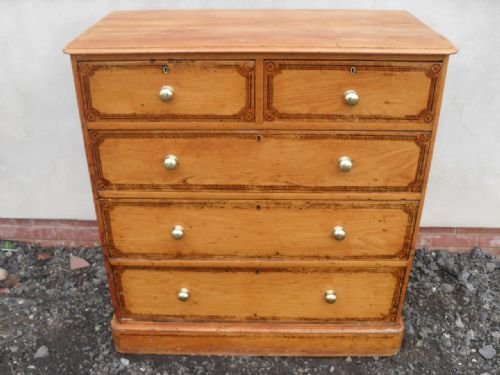


Decorative Bedroom Chest
A decorative bedroom chest brings warmth and character to a sleeping space while offering practical storage.
Decorative Bedroom Chest
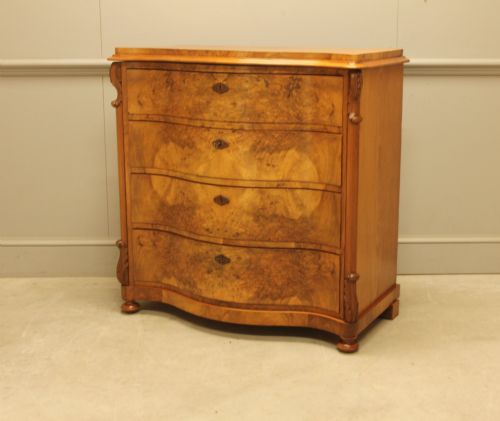
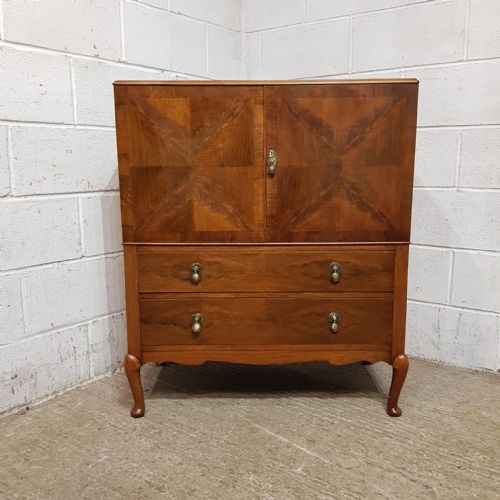
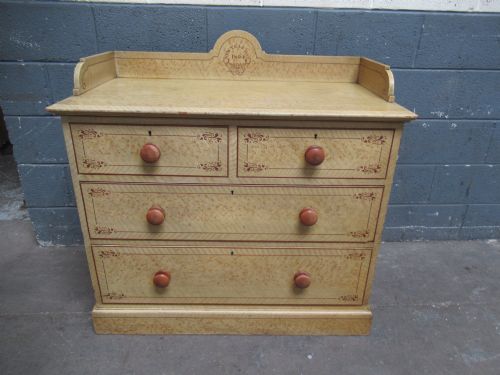
A decorative bedroom chest provides storage while serving as a focal point in a room. When you search for a decorative bedroom chest, you find pieces ranging from grand 18th century European commodes to simpler painted pine drawers.
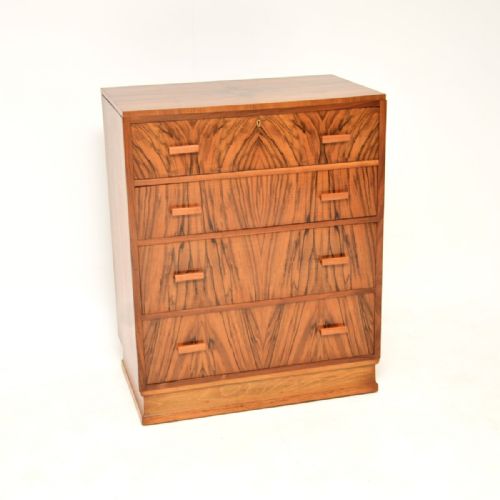
The selections span several periods, including the 18th century, Victorian era, and the 1920s and 1930s. Common forms include standard chests of drawers, tallboys, and commodes.
Regional styles vary widely, featuring French provincial designs, Swedish serpentine fronts, and English Japanned finishes. Most items combine utility with distinctive surface decoration or fine cabinet woods.
Materials and construction
Cabinet makers utilised a variety of timbers such as pine, mahogany, and walnut. Many pieces employ burr walnut or flame mahogany veneers to create striking grain patterns on the drawer fronts.
Surface decoration is a defining feature, with techniques including hand painting, Japanning, and delicate wood inlay. Pine examples often retain their original painted finishes, whilst other pieces showcase fine lacquer work.
Decorative Bedroom Chest Retail Price Guide 2026
Typical asking prices for decorative bedroom chest among the pieces listed under this phrase on Sellingantiques today, from the lower quarter to the upper quarter. They describe what is for sale here now, not the wider market.
The listings feature pieces from the 18th, 19th, and early 20th centuries, utilising materials like pine, walnut, and brass.
Distinguishing quality
The quality of a piece is evident in the choice of veneers and the skill of the surface decoration. Superior examples display carefully matched wood grains and expertly executed hand painted or inlaid motifs.
Construction details also dictate value, particularly the precision of the drawer dovetails and the retention of original brass hardware. Pieces with untouched period surfaces and well preserved decorative schemes stand apart from later adaptations.
The Decorative Bedroom Chest Glossary
- Commode
- A low chest of drawers or cabinet originating in France. These often feature decorative painted surfaces or fine wood veneers.
- Tallboy
- A tall chest of drawers, typically consisting of one chest stacked upon another. This form provides substantial vertical storage.
- Serpentine
- A furniture front characterised by a wave-like shape, curving outward in the centre and inward at the sides. This contour requires advanced woodworking skill.
- Burr walnut
- Wood taken from a walnut tree growth where the grain has grown in a deformed swirl. It is sliced into veneers to create highly decorative patterned surfaces.
Decorative Bedroom Chest: Frequently Asked Questions
How do I date an antique chest?
Dating involves examining the construction methods, such as hand cut dovetails on the drawer sides, alongside the timber types and hardware used. Stylistic clues like serpentine fronts or painted motifs also point to specific eras.
Comparing the secondary woods inside the drawers with known period standards helps confirm the age of the piece.
Where were painted chests made?
Painted chests originated across various European regions, with distinct traditions found in England, France, Sweden, and other parts of Northern Europe. Each region developed specific palettes and decorative motifs.
Country pieces often utilised local pine with simple painted finishes, whilst urban workshops produced sophisticated commodes with detailed lacquer work.
How should I care for a veneered chest?
Veneered surfaces require protection from direct sunlight and excessive humidity to prevent the wood from drying out or lifting. Regular dusting with a soft, dry cloth is sufficient for routine maintenance.
Avoid using silicone based polishes, opting instead for traditional beeswax applied sparingly to nourish the antique timber.