





Decorative Art Object
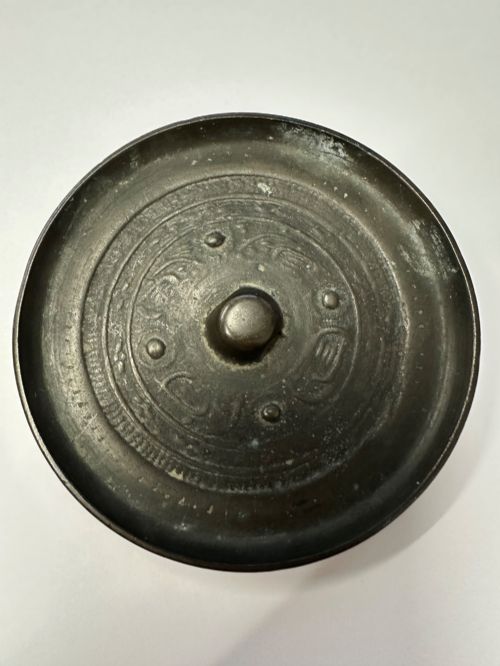
A decorative art object brings character to a room, ranging from carved wood sculptures to patinated bronze mirrors.
Decorative Art Object
The selections available here span from pre-sixteenth century Chinese bronze mirrors and Edo period Japanese ginger jars to nineteenth-century wooden sculptures and Art Deco dancer figures. Each piece serves primarily to adorn an interior space rather than to fulfil a purely utilitarian function.
Folk art figures, treen fruitwood items, and shell grottos also populate this category, offering distinct glimpses into historical craft traditions from Europe, Asia, Africa, and the Americas.
How they were made
Makers utilised traditional casting, carving, and stoneworking techniques suited to their respective eras and materials. Bronze and patinated metal pieces involve foundational casting methods, whereas items like the Italian Pietra Dura objects require meticulous mosaic work with specimen marble.
Organic materials such as wood, fruitwood, and whale vertebrae show evidence of hand-carving and shaping with traditional handheld tools. Cloisonne enamel ginger jars demonstrate precise metalworking combined with glass-based enamelling fired to a hard finish.
Decorative Art Object Retail Price Guide 2026
Typical asking prices for decorative art object among the pieces listed under this phrase on Sellingantiques today, from the lower quarter to the upper quarter. They describe what is for sale here now, not the wider market.
Listings feature items from the pre-sixteenth century up through the Art Deco era, incorporating materials like bronze, black marble, enamel, and wood.
What varies in quality
Quality in these pieces rests upon the precision of the maker's hand and the integrity of the surviving material. A finely carved wooden sculpture or a sharp-cast bronze mirror displays superior control of form and detail compared to simpler or heavily weathered examples.
The complexity of the technique also separates categories, such as multi-coloured pietra dura marble inlays versus plain stone, or detailed cloisonne work against basic metal vessels.
The Decorative Art Object Glossary
- Treen
- Small handmade wooden household objects and utensils. These items often display the simple turning and carving methods of earlier centuries.
- Pietra dura
- An artistic technique using cut and fitted polished coloured stones to create images. This method appears frequently in decorative tabletop objects and plaques.
- Cloisonne
- Enamelling technique where metal wire forms compartments on a metal surface to hold coloured glass paste. Firing fuses the enamel into vibrant decorative patterns.
- Tupilak
- A carved figure from Inuit culture traditionally representing a revenge spirit made from bone, antler, or whale vertebrae. These small sculptures hold deep shamanic significance.
- Pietra dura
- An artistic technique using cut and fitted polished coloured stones to create images. This method appears frequently in decorative tabletop objects and plaques.
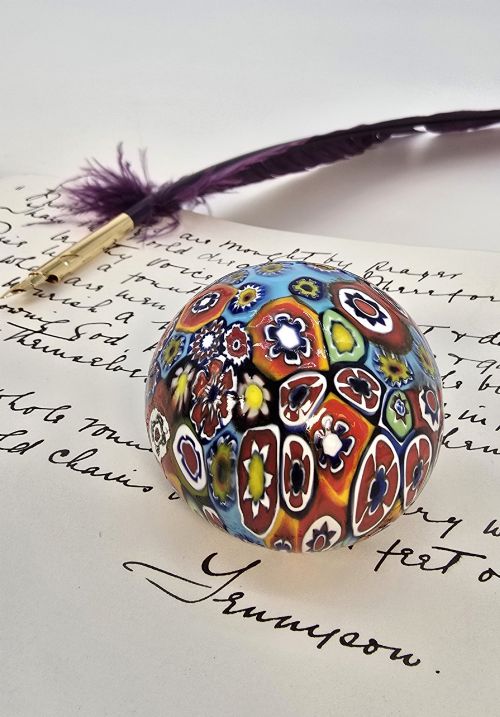
- Millefiori
- Glasswork technique producing distinctive patterned mosaic canes. Sections of these canes appear suspended within clear glass paperweights.
Decorative Art Object: Frequently Asked Questions
What is a decorative art object?
A decorative art object is a piece created with both aesthetic appeal and craftsmanship in mind, rather than strict utility. These items include sculptures, carved figures, and ornamental vessels.
They derive from various global traditions and historical periods, utilising materials like bronze, marble, wood, and enamel to enhance interior spaces.
How do I identify the period of a wooden sculpture?
Identifying the period involves examining the tool marks, timber species, and overall stylistic conventions of the era. Woods like polished yew or fruitwood often carry distinct patination developed over centuries.
Comparing the carving style to documented examples from periods such as the nineteenth century or Georgian era helps confirm the date.
Where were cloisonne enamel ginger jars made?
Cloisonne enamel ginger jars frequently originate from Japanese workshops, particularly those active during the late Edo period. These pieces combine metal bodies with intricate wirework and coloured enamel.
They were produced both for domestic use and export to Western markets interested in Eastern craftsmanship.
How should I display a decorative art object at home?
These pieces suit placement on mantelpieces, bookshelves, or dedicated display tables where their materials and forms can be appreciated up close. Ensuring stable placement away from direct sunlight protects sensitive materials like wood, enamel, and organic bone.
Pairing items of contrasting textures, such as smooth black marble next to carved wood, highlights their individual characteristics.