

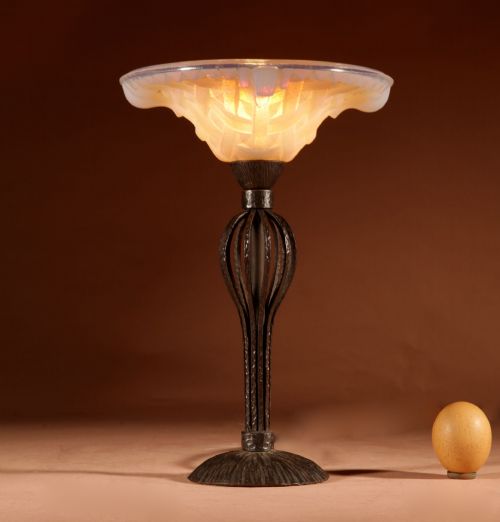


Deco Style Lighting
Deco style lighting brings geometric clarity and rich industrial materials into rooms through table lamps, chandeliers, and floor lamps.
Deco Style Lighting
Deco style lighting encompasses table lamps, floor lamps, ceiling lights, and chandeliers originating primarily from the early decades of the twentieth century. These pieces reflect distinct periods including the nineteen-twenties and nineteen-thirties, alongside related movements such as the Amsterdam School and Bauhaus style.
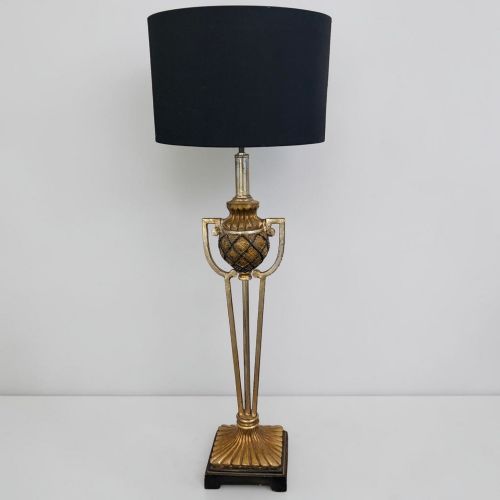
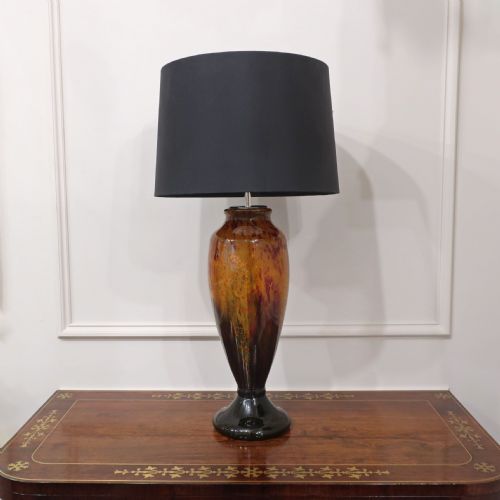
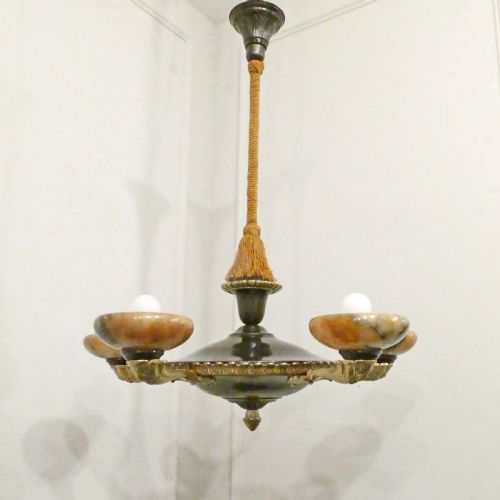
Buyers will frequently encounter electrical table lamps and overhead chandeliers constructed from period materials. The selection ranges from mottled glass table lamps and brass chandeliers to floor lamps with an Odeon or skyscraper silhouette.
The aesthetic bridges utilitarian function and decorative ambition, utilising styles from Egyptian Revival to Chinoiserie. Pieces vary from simple bankers desk lamps to large French chandeliers featuring patinated brass and wrought iron.
Materials and Construction
Maker construction relies heavily on metals such as brass, bronze, copper, and chrome combined with glass components. Workshops utilised patinated finishes, hand channelling, and wrought iron frameworks to achieve structural rigidity and visual weight.
Glass elements frequently incorporate mottled, opalescent, or crystal treatments to diffuse light across geometric profiles. Wooden elements like oak and blonde birds eye maple appear alongside fabric components in select table lighting.
Deco Style Lighting Retail Price Guide 2026
Typical asking prices for deco style lighting among the pieces listed under this phrase on Sellingantiques today, from the lower quarter to the upper quarter. They describe what is for sale here now, not the wider market.
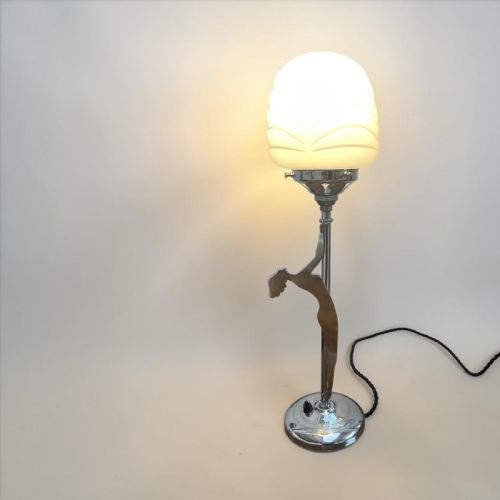
Several lamps feature dancing female figures holding up the light source, proving that early twentieth-century engineers had a theatrical sense of drama.
Assessing Workmanship
Quality rests upon the execution of the metalwork and the integrity of the glass elements. Heavier gauges of brass, precise hand chasing on copper, and substantial bronze castings distinguish finer examples from standard production.
The sophistication of the design dictates overall merit, particularly in architectural interpretations like Odeon or skyscraper floor lamps. Original patination and intact period glass shades hold greater weight than later replacements or poorly matched components.
Heals·Charles Schneider·Lalique·Wilhelm Wagenfeld·Harry and Lou Epstein
The Deco Style Lighting Glossary
- Odeon style
- An architectural lighting form characterised by tiered, stepped layers reminiscent of cinema design from the period. It draws inspiration from skyscraper structures.
- Mottled glass
- A type of variegated art glass used in lamp shades to diffuse illumination unevenly. This technique creates mottled colour patterns across the surface.
- Patinated brass
- Metal treated with chemical solutions to produce a darkened or aged surface finish. It protects the base metal while offering a subdued tone.
- Amsterdam School
- An architectural and design style originating in the Netherlands emphasising expressive, organic brickwork and wrought metal details. It heavily influenced early twentieth-century lighting.
- Chasing
- A metalworking technique where patterns are hammered into the front surface rather than engraved. This displaces metal to create raised decorative motifs.
Deco Style Lighting: Frequently Asked Questions
How do I identify a genuine period piece?
Examine the construction methods, wiring access points, and material weights used in the frame. Period lighting typically employs heavy cast metals and traditional fixings rather than modern pressed components.
Compare the silhouette against known design vocabularies from the nineteen-twenties and nineteen-thirties. Authentic examples show consistent wear appropriate to their age.
What is the difference between table lamps and standard lamps?
Table lamps are proportioned for placement on desks, side tables, or cabinets, generally featuring smaller shades. Standard lamps, often called floor lamps, stand directly on the floor to illuminate larger areas.
Both formats utilise similar materials like brass, chrome, and glass within the same design idioms.
How should I clean glass lamp shades?
Wipe glass components gently with a soft, dry cloth to remove dust and surface debris. Avoid harsh chemical cleaners that might damage aged surfaces or painted details.
Remove shades from the metal gallery if necessary to clean the interior safely without straining old fixings.