



Deco Sculpture Lamp
These deco sculpture lamp examples combine figural design and functional illumination, offering buyers a striking focal point for period interiors.
Deco Sculpture Lamp
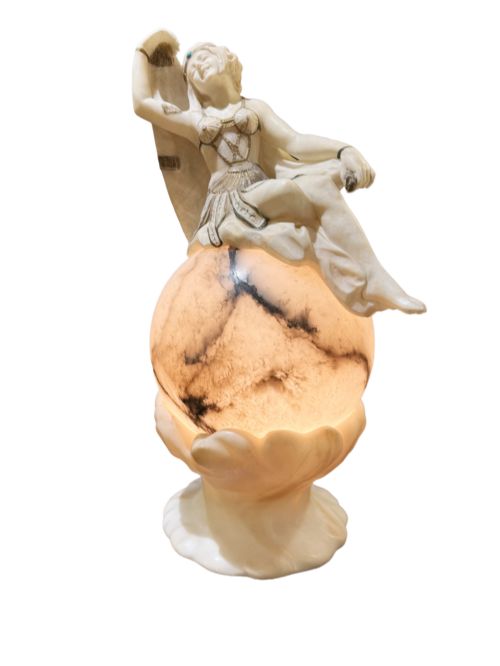
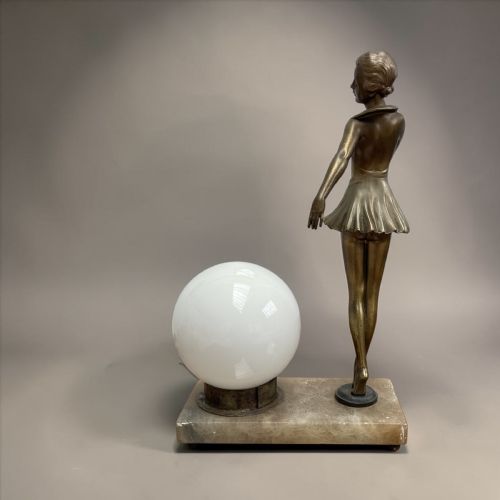
A deco sculpture lamp integrates figurative or animal subjects with lighting elements, predominantly emerging from the 1920 and 1930 periods. Buyers encounter standing figures, dancers, and animals paired with functional illumination.
Table lamps and smaller night light forms dominate this category, often featuring human figures alongside animal subjects like greyhounds, alsatians, and seagulls. French Art Deco pieces frequently combine metalwork with glass or stone bases.
The style draws heavily from Art Deco and French Art Deco movements, utilising distinct sculptural subjects mounted upon solid bases. These objects function simultaneously as decorative sculpture and practical ambient lighting.
How they were made
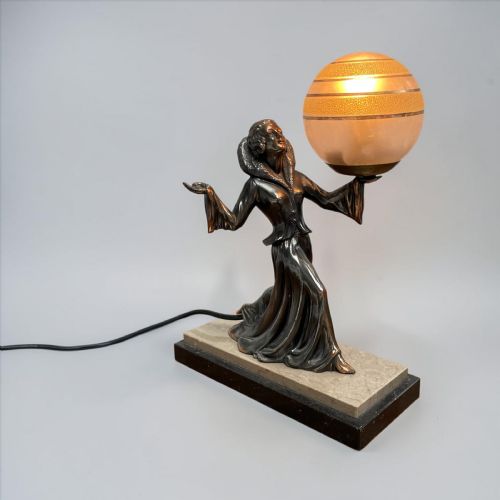
Manufacturers utilised metals such as spelter, bronze, and brass, often combining them with solid bases of marble, onyx, or granite. Cold painting techniques added surface colour to metal figures.
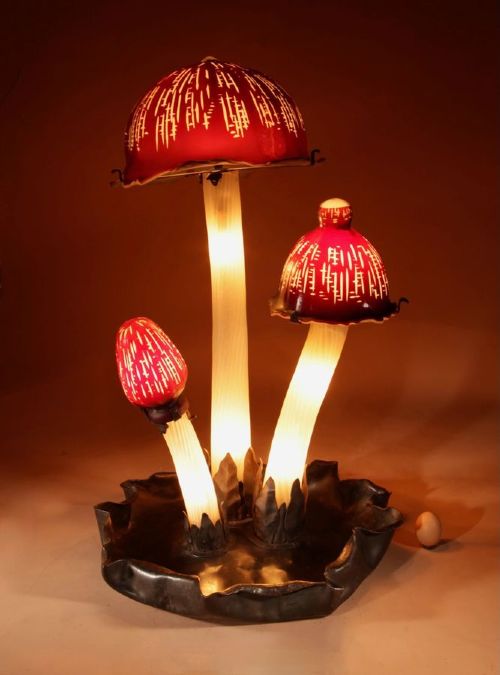
Glass components range from frosted and crackle glass to lamp work glass and mottled opaline, frequently forming shades or central sculptural bodies. Alabaster and porcelain also appear as primary sculptural materials.
Deco Sculpture Lamp Retail Price Guide 2026
Typical asking prices for deco sculpture lamp among the pieces listed under this phrase on Sellingantiques today, from the lower quarter to the upper quarter. They describe what is for sale here now, not the wider market.
Listings span the 1920 and 1930 periods, featuring materials such as marble, glass, spelter, bronze, porcelain, and alabaster.
What varies in quality
Quality differences emerge in the execution of the sculptural figures and the selection of base materials. Superior examples display refined modelling in bronze or cold painted metal rather than simpler casting methods.
The integration of glass shades, whether frosted, crackle, or lamp work varieties, influences the overall visual coherence of the piece. Matching high-grade natural stone bases like marble or onyx with detailed figural work defines the upper tier.
Argilor Paris·Bruno Zach·P.Sega
The Deco Sculpture Lamp Glossary
- Spelter
- A zinc alloy commonly used as a cost-effective alternative to bronze for casting figures. It frequently received patinated or cold painted finishes.
- Veilleuses
- A French term for a night light or small bedside lamp. These items provide low-level illumination, often incorporating figural porcelain or glass elements.
- Lamp work
- A glassworking technique involving a torch to melt and shape glass rods. This process produces intricate forms such as small animal figures.
- Onyx
- A banded variety of chalcedony used frequently for lamp bases. Its natural grain provides a polished foundation for metal sculptures.
Deco Sculpture Lamp: Frequently Asked Questions
What materials are used in a deco sculpture lamp?
Makers utilised a combination of metals such as bronze, spelter, and brass alongside natural stone bases like marble, onyx, and granite.
Glass elements including frosted, crackle, and lamp work varieties appear frequently, alongside porcelain and alabaster components.
How do I identify a French Art Deco lamp?
French pieces often incorporate designated styles like veilleuses or night lights, featuring distinctive figural subjects such as dancers, animals, and mythological figures.
Attributions to known makers or Parisian workshops further distinguish pieces originating from France during the 1920 and 1930 periods.
Where were these lamps placed in a home?
These lamps functioned as decorative table lamps and bedside night lights, providing ambient illumination while serving as sculptural art.
Owners typically placed them on side tables, desks, or mantelpieces where both the figural sculpture and the lit glass could be appreciated.
What subjects appear on these lamps?
Figurative subjects include dancers, elephant tamers, and human figures alongside animal forms like greyhounds, alsatians, and seagulls.
Compositions often mount these figures directly onto contrasting rectangular or circular marble and onyx plinths.