



Deco Nightstand Light
These deco nightstand light pieces bring period geometry and bedside illumination together, offering genuine 1920 and 1930 character for the home.
Deco Nightstand Light
When searching for a deco nightstand light, buyers encounter a distinct mix of period bedside lighting and complementary furniture originating from the 1920 and 1930 eras. The selection on this page centres primarily upon Art Deco table lamps, alongside related bedside tables and cabinets.
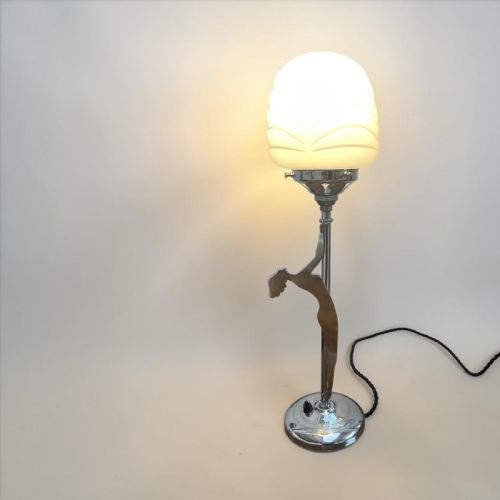
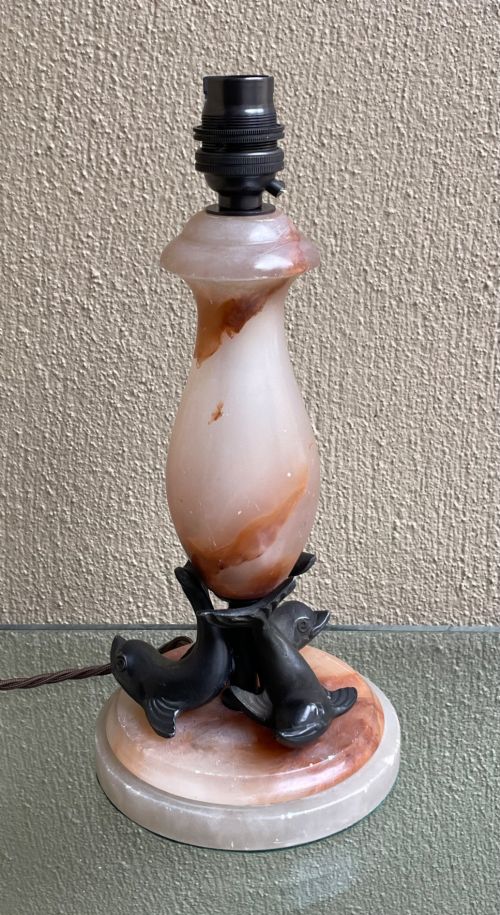
The lighting pieces span various forms including figural designs like dolphins and seagulls, alongside mushroom lamps and peach glass shades. These items provide functional illumination while establishing a definitive period aesthetic on a bedside surface.
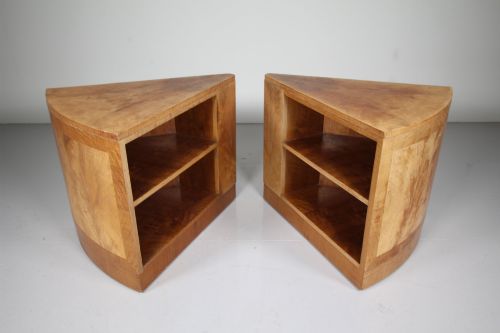
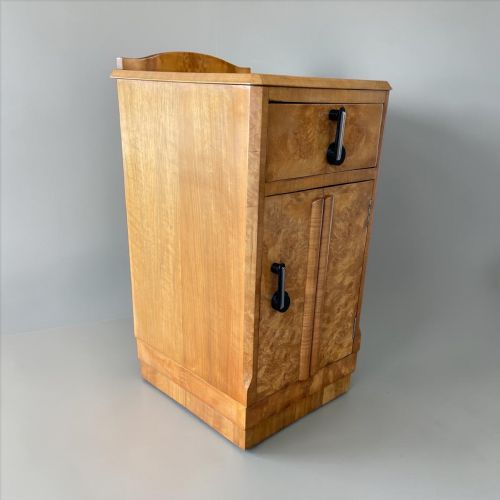
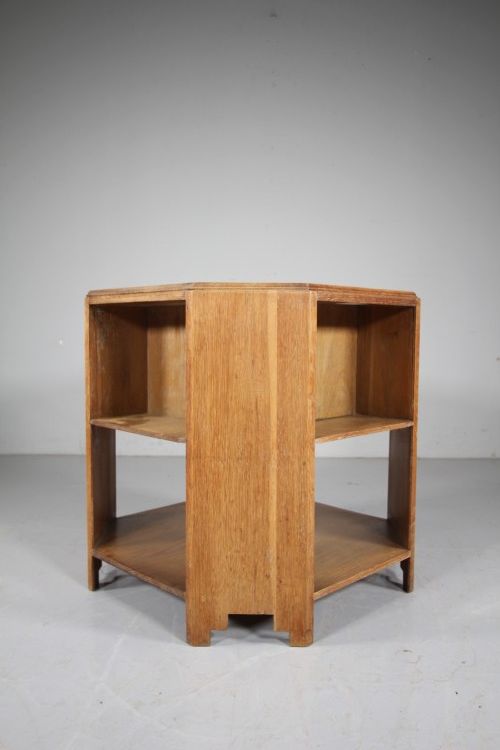
Alongside dedicated lamps, the inventory incorporates matching bedside cabinets and tables in blonde maple, burr walnut veneer, and oak. Together, these pieces form the essential components for a coordinated period bedroom scheme.
Materials and construction
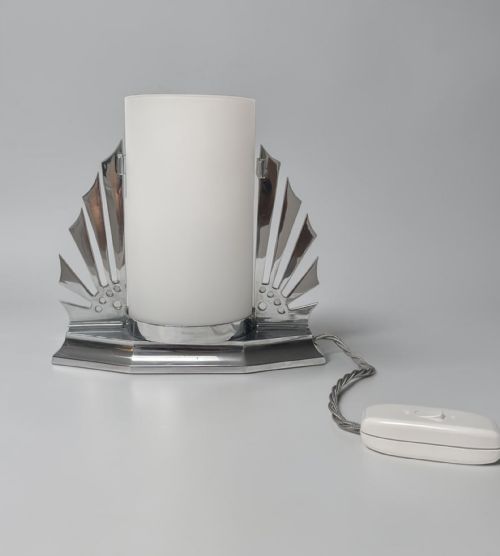
Construction relies upon a distinct combination of metals, glass, and woods characteristic of the interwar decades. Chrome, brass, and spelter provide durable structures for lamp bases, whilst moulded frosted, cut crystal, and peach glass shape the diffusers.
Specialised materials such as Bakelite, celluloid, and alabaster appear in specific lamp components, demonstrating the era's experimentation with new synthetics and carved minerals. Cabinetry utilises fine timbers including blonde maple and burr walnut veneer over sturdy carcases.
Deco Nightstand Light Retail Price Guide 2026
Typical asking prices for deco nightstand light among the pieces listed under this phrase on Sellingantiques today, from the lower quarter to the upper quarter. They describe what is for sale here now, not the wider market.
Light up your evening routine with a seagull frozen mid-wave or a carved alabaster dolphin.
Assessing quality in period pieces
Quality reveals itself through the fidelity of the Art Deco styling and the sophistication of the materials used. Superior lighting examples employ high-grade moulded glass from known makers or intricate spelter figural work, whereas lesser pieces rely on simpler cast metal forms.
In the accompanying bedside furniture, the standard of craftsmanship is visible in the choice of decorative veneers, such as burr walnut or blonde maple, and the integration of fittings. Pieces that retain matching components and original glass elements demonstrate superior integrity.
Heals·Stuart Crystal·Betty Joel·Walther and Sohne
The Deco Nightstand Light Glossary
- Art Deco
- A design style dominant in the 1920s and 1930s characterised by geometric shapes, stylised motifs, and sleek lines. It influences both the lighting fixtures and furniture forms found in this category.
- Bakelite
- An early form of thermosetting plastic frequently utilised for electrical components and switchgear during the interwar period. Its dark, durable finish is typical of vintage lighting fixtures.
- Spelter
- A zinc alloy commonly cast and patinated to imitate bronze in decorative figures and lamp bases during the early twentieth century. It offers a lighter alternative for sculptural table lamps.
- Alabaster
- A soft, fine-grained stone used for carving decorative objects and lamp shades. When illuminated, it produces a warm, diffused glow.
- Veneer
- A thin layer of superior wood, such as burr walnut or blonde maple, applied to a structural timber base. This technique highlights complex grain patterns on bedside cabinets and tables.
Deco Nightstand Light: Frequently Asked Questions
What defines a deco nightstand light?
These items are period bedside lamps created during the 1920s and 1930s under the influence of Art Deco design principles. They combine functional illumination with distinct geometric or figural forms typical of the era.
Materials commonly involve chrome, brass, and various types of moulded or frosted glass. They sit upon bedside tables to provide both task lighting and decorative presence.
How do I distinguish 1920s from 1930s pieces?
Pieces from the 1920s often feature more ornate figural elements, such as dolphins or seagulls, combined with early metals and carved alabaster. They lean into sculptural silhouettes.
Items from the 1930s typically showcase streamlined functionality, featuring clean geometric lines, peach glass, and smooth chrome surfaces. Furniture from this decade often introduces blonde maple and integrated cabinetry.
How should I style these lamps in a bedroom?
These lamps function best placed on matching bedside tables or compact cabinets from the same stylistic period. Their distinct silhouettes make them central visual focal points in a bedroom scheme.
Pairing them with neutral walls and complementary interwar furniture allows the glass shades and metallic bases to stand out. Ensure the surface area of your nightstand is proportionate to the lamp base.
What materials are most common?
Metal and glass dominate the lighting selections, specifically chrome-plated frames paired with frosted, cut crystal, or peach glass shades. Bakelite and celluloid also appear frequently in smaller components.
Furniture pieces incorporate robust timbers finished with decorative surfaces like burr walnut veneer and blonde maple. Alabaster and spelter are regularly found in specific sculptural lamp bases.