

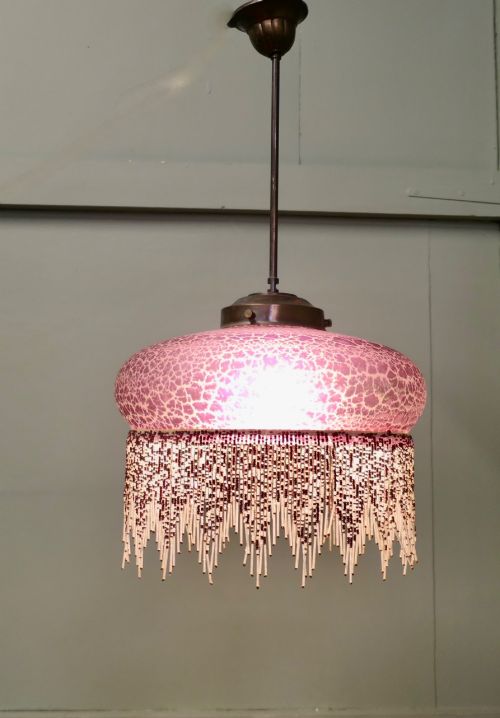
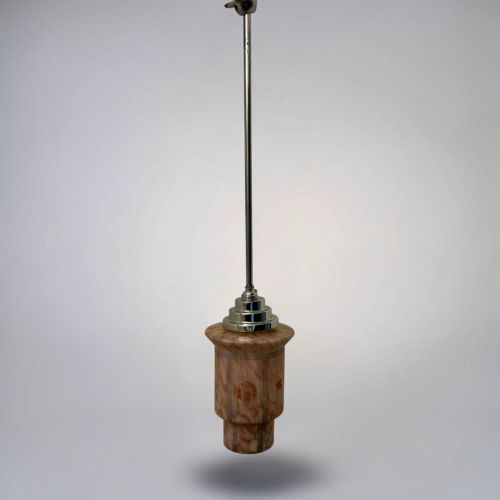
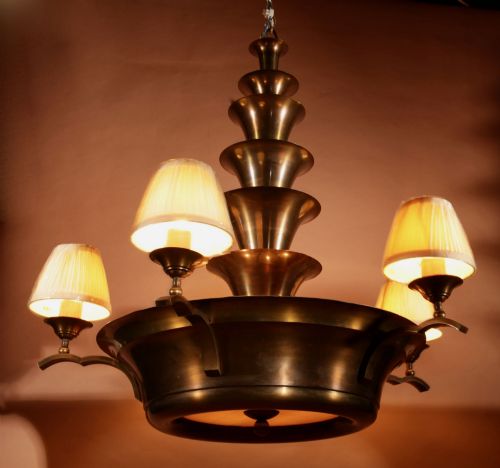
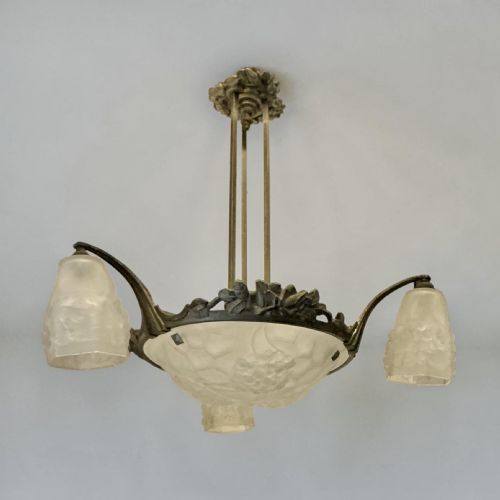



Deco Hanging Fixture
A deco hanging fixture brings geometric elegance and period character to a room, offering functional illumination through distinctive glass and metal work.
Deco Hanging Fixture
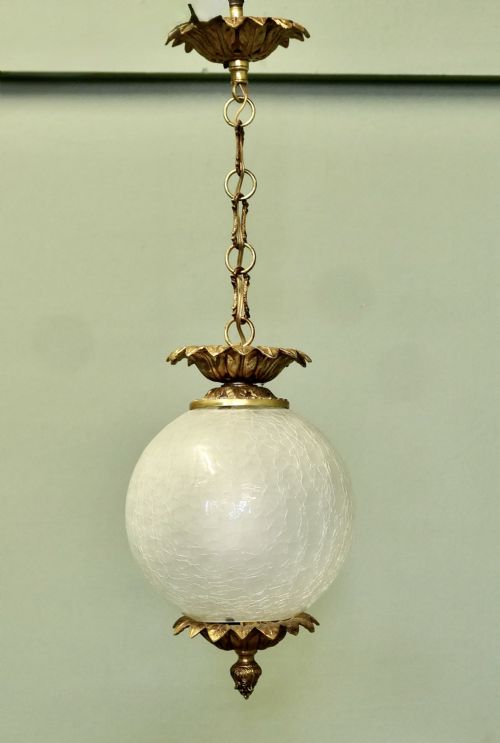
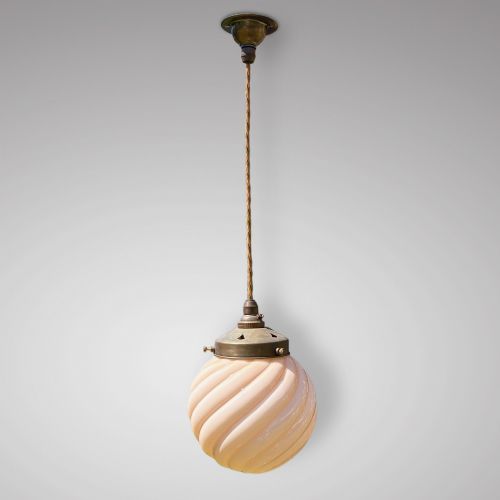
A deco hanging fixture is a ceiling-suspended lighting piece defined predominantly by Art Deco styles from the 1920s and 1930s, alongside occasional 19th-century and mid-century modern examples. These objects range from single glass globes and slip shade bowl pendants to large bronze, brass, steel, and copper lanterns.
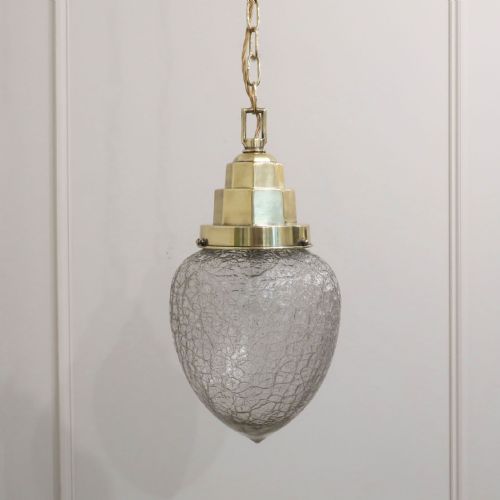
The selections on this page feature prominent forms such as pendant lights, chandeliers, and hall lanterns. Many examples originate from French workshops and utilise moulded, frosted, opaline, or crackle glass suspended from robust metal frames.
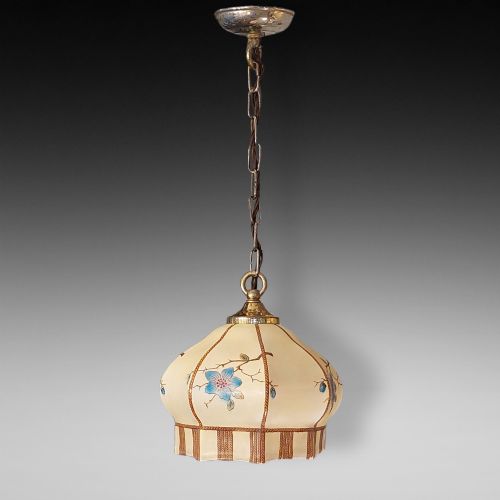
Buyers frequently encounter pieces combining chromed metal, brass, or copper with distinctive opaline or patterned glass shades. The variety encompasses both restrained industrial silhouettes and ornate hand-painted or acid-etched artistic creations.
Materials and Construction
Makers constructed these fixtures using structural metals including brass, chrome, copper, bronze, steel, and wrought iron to form the galleries, frames, and suspension chains. Glasswork forms the visual core of the pieces, utilising frosted, opaline, cut, crackle, mirrored, and moulded techniques.
Shades and bowls were shaped through glassblowing, pressing into moulds, or cutting, sometimes incorporating hand-painted details or alabaster. Metal components were cast, spun, or fabricated to secure the heavy glass elements safely to the ceiling.
Deco Hanging Fixture Retail Price Guide 2026
Typical asking prices for deco hanging fixture among the pieces listed under this phrase on Sellingantiques today, from the lower quarter to the upper quarter. They describe what is for sale here now, not the wider market.
Listings span the 19th century through the 1920s and 1930s, featuring brass, chrome, copper, bronze, and various types of glass.
Assessing Quality
Quality rests in the substantial weight and finish of the metal mountings and the artistic merit of the glasswork. Heavier cast bronzes and solid brass frames separate superior productions from lighter sheet-metal assemblies.
The depth, clarity, and texture of the glass - whether deeply moulded slip shades, finely crackled finishes, or complex opaline gradients - distinguish standard commercial items from masterworks produced by notable designers.
Degué·Émile-Jacques Ruhlmann·Schneider·Jean Gauthier
The Deco Hanging Fixture Glossary
- Slip Shade
- A type of moulded glass shade that fits into a metal frame or gallery on a ceiling light or sconce.
- Opaline Glass
- A milky, semi-translucent glass that diffuses light softly and evenly across the room.
- Gallery
- The metal collar or rim that holds a glass shade or globe in place on a pendant fixture.
- Crackle Glass
- Glass intentionally treated during manufacture to produce a fine network of internal fractures across the surface.
- Pendant Light
- A single light fixture suspended from the ceiling by a cord, chain, or metal rod.
Deco Hanging Fixture: Frequently Asked Questions
How do I hang a heavy deco fixture?
Heavy fixtures require secure attachment to ceiling joists using appropriate steel mounting brackets rather than relying on standard plasterboard anchors.
Professional electrical installation ensures the weight of brass, bronze, and glass components is safely supported.
Are these lights compatible with modern bulbs?
Most vintage fixtures accommodate standard modern screw or bayonet bulbs, provided the wattage matches the historical capacity of the wiring.
Many listings note rewiring, which helps integrate the piece safely with contemporary electrical standards.
What rooms suit a hanging lantern?
Large lanterns and chandeliers suit entrance halls, high-ceilinged living rooms, or dining spaces where vertical drop is advantageous.
Pendant lights work effectively over dining tables or kitchen islands to provide focused illumination.