

Deco Glass Pendant
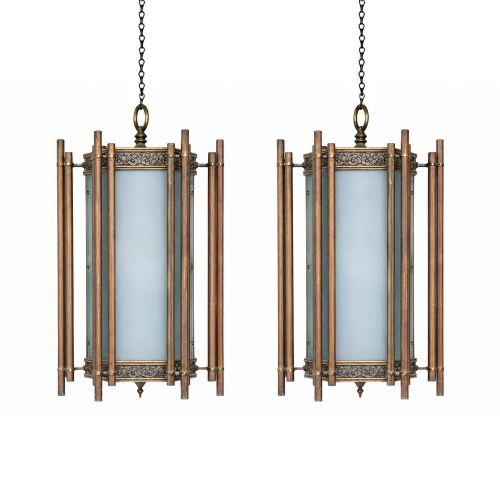
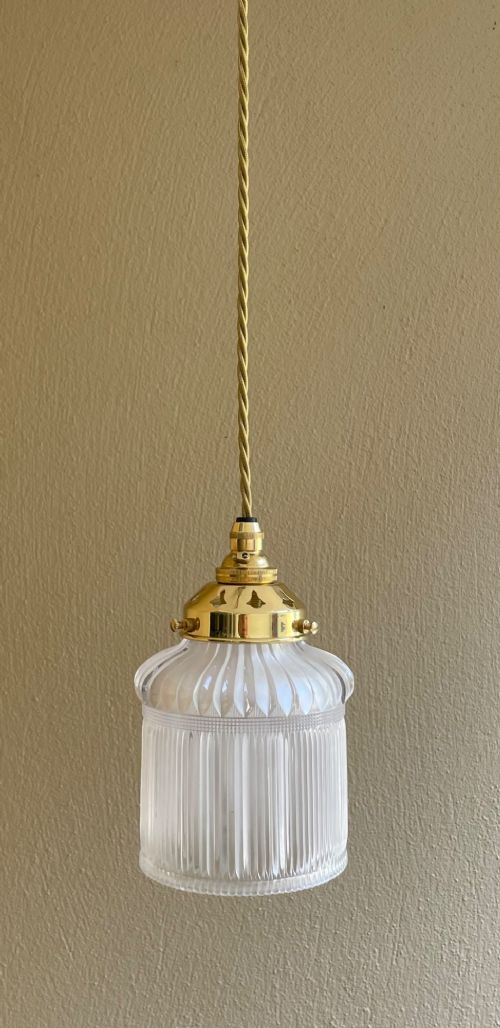
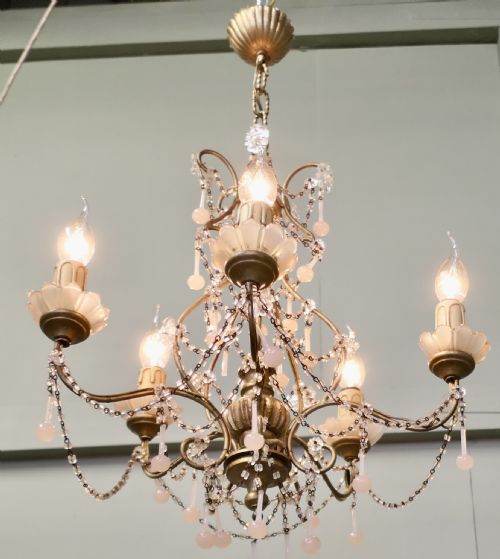
These deco glass pendant fixtures bring the geometry and light of the early twentieth century directly into a room.
Deco Glass Pendant
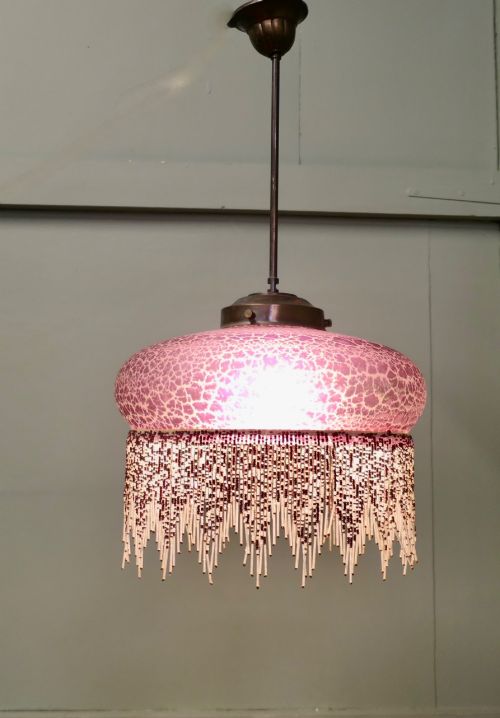
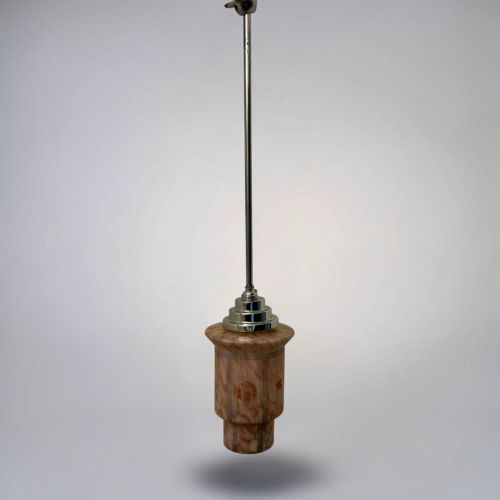
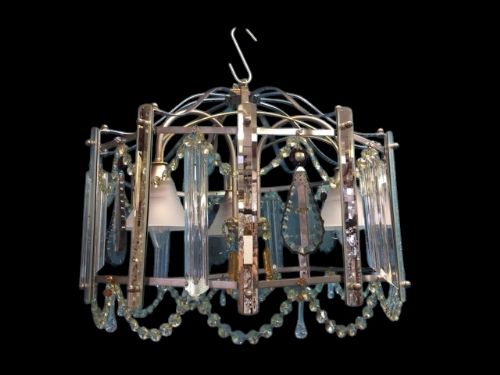
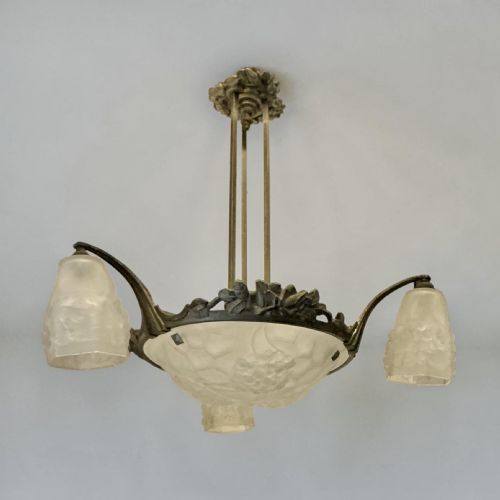
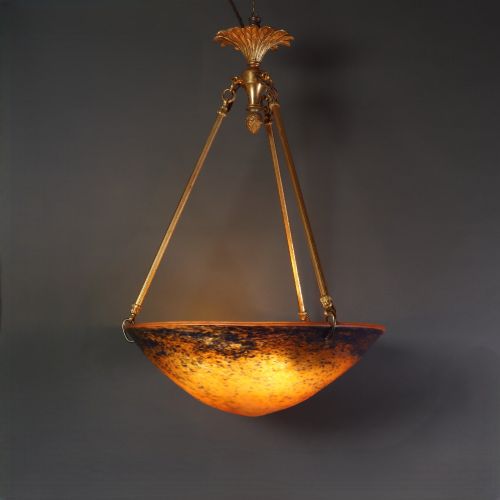
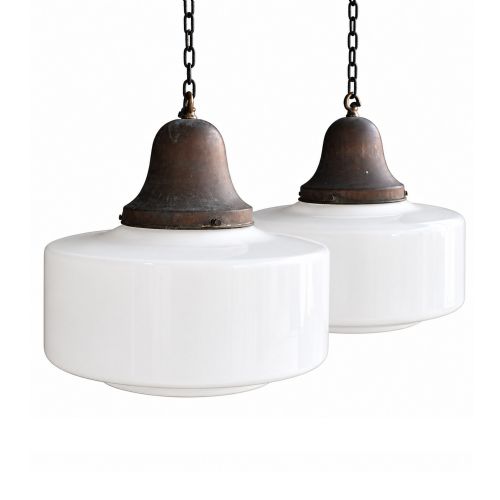
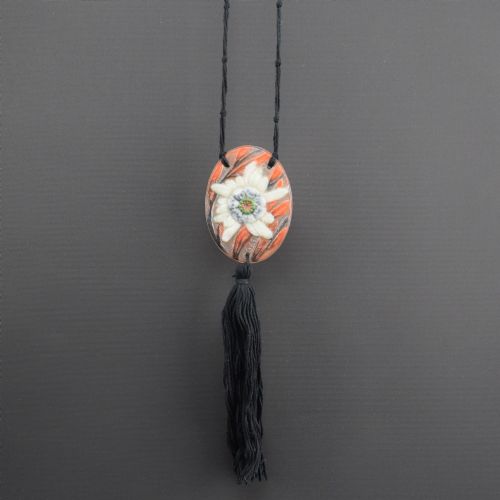
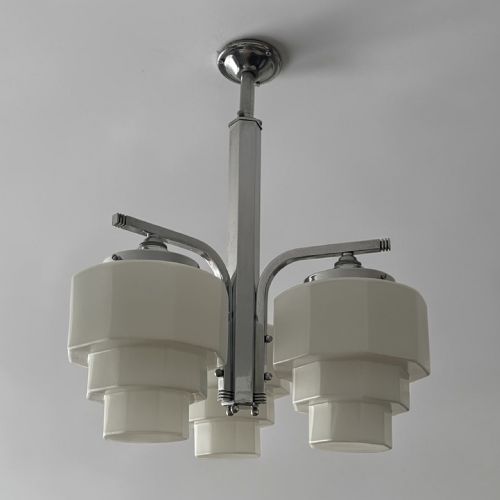
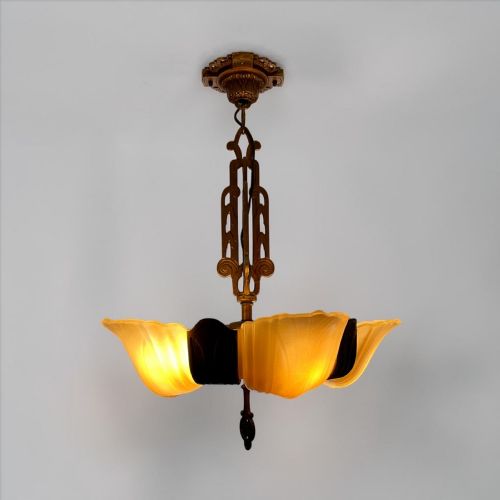
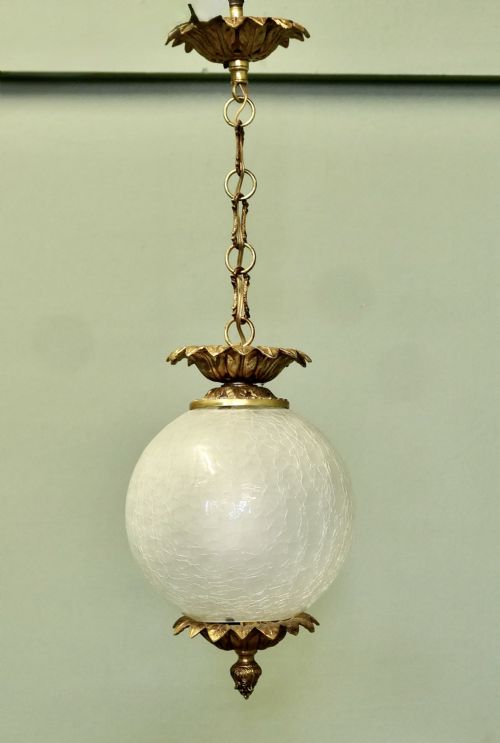
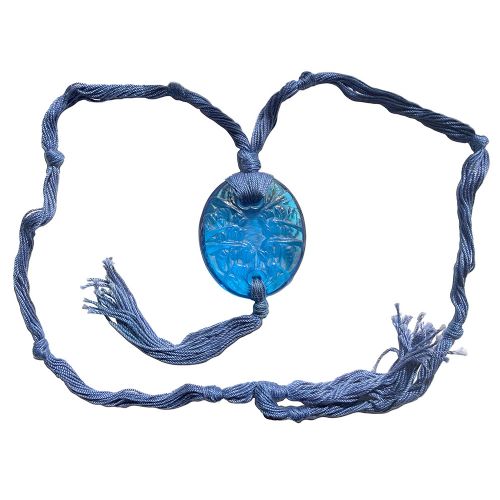
When searching for deco glass pendant pieces, a buyer encounters ceiling lights, chandeliers, and hanging lanterns originating primarily from the 1920 and 1930 periods. The forms range from spherical glass globes and conical shades to elaborate slip shade assemblies and moulded pate de verre plaques.
French makers dominate the output alongside English and American examples, spanning styles from Art Deco and Venetian Art Deco to industrial and Amsterdam School. Pendant lights and ceiling lights appear most frequently, constructed to diffuse illumination evenly through patterned or tinted glass.
Materials and construction methods
The construction relies on combinations of glass and metal, specifically brass, chrome, copper, and platinum supporting frosted, opaline, crackle, or cut crystal glass. Makers utilised pate de verre techniques for textured, multi-coloured glass bodies, while others employed hand cutting and moulding.
Mountings integrate brass and chrome hardware to suspend the glass shades, lanterns, and plafonniers securely from ceilings. Metal frames hold slip shades or enclose glass globes, combining structural rigidity with decorative metalwork.
Deco Glass Pendant Retail Price Guide 2026
Typical asking prices for deco glass pendant among the pieces listed under this phrase on Sellingantiques today, from the lower quarter to the upper quarter. They describe what is for sale here now, not the wider market.
Listings span the 1900, Edwardian, 19th Century, 1920, 1930, and 1940 periods, incorporating brass, chrome, frosted glass, opaline glass, crystal, metal, and copper.
Distinctions in craftsmanship
Quality separates by the depth of modelling in the glass and the precision of the signature or attribution to notable glassmakers such as Lalique, Schneider, Degué, or Argy Rousseau. Heavy mouldings, clean lines in cut crystal, and refined pate de verre coloration mark the upper tier.
The integrity of the metal mounts, whether brass, copper, or chrome, influences the piece, alongside the preservation of original glass shades without replacement elements. Superior examples display crisp definition in pressed glass motifs and balanced proportions in multi-branch chandeliers.
Charles Schneider·Degué·Argy Rousseau·Émile-Jacques Ruhlmann·R Lalique
The Deco Glass Pendant Glossary
- Plafonnier
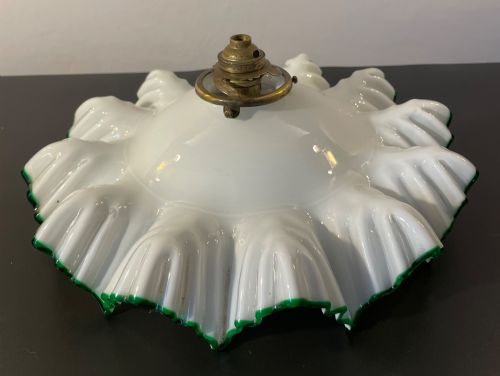
- A shallow ceiling light or bowl fixture mounted flush or close to the ceiling. This form directs light downward through frosted or moulded glass.
- Pate de verre
- A glass-making technique involving crushed glass packed into a mould and fused in a kiln. This process produces textured, translucent objects with mottled colour.
- Slip shade
- A moulded piece of glass inserted into a metal frame as part of a multi-part ceiling light. These shades are common in American lighting designs.
- Opaline glass
- An opaque or semi-translucent glass that diffuses light softly. It appears frequently in white or tinted conical and spherical pendant shades.
Deco Glass Pendant: Frequently Asked Questions
How do I hang a pendant light?
Pendant lights suspend from ceilings using metal chains, rods, or cords attached to a mounting canopy. Ensure the supporting structure and wiring meet current electrical standards before installation.
Adjust the hanging height to clear foot traffic while positioning the shade to illuminate the room effectively.
What is pate de verre glass?
Pate de verre translates to glass paste, formed by packing crushed glass and colorants into a mould and firing it in a kiln. This technique creates dense, textured objects with rich colour gradations.
Pieces made this way often feature natural motifs such as thistles, butterflies, or wasps.
Are these lights rewired?
Many vintage ceiling lights and pendants receive new wiring to comply with modern safety standards while retaining their original brass, chrome, or copper fixtures. Rewiring ensures safe electrical connections for daily use.
Check individual listings to confirm whether the metal hardware houses contemporary wiring.
How do I identify a 1920s fixture?
Fixtures from the 1920s typically display geometric Art Deco motifs, moulded glass shades, and metalwork in brass, chrome, or copper. Stylistic cues include stepped patterns, frosted surfaces, and symmetrical designs.
Signatures from makers like Lalique or Schneider further help date specific glass elements to this period.