



Deco Glass Fixture
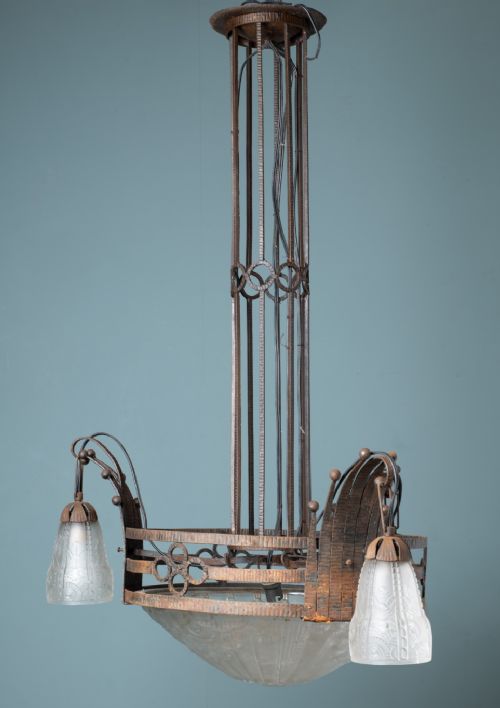
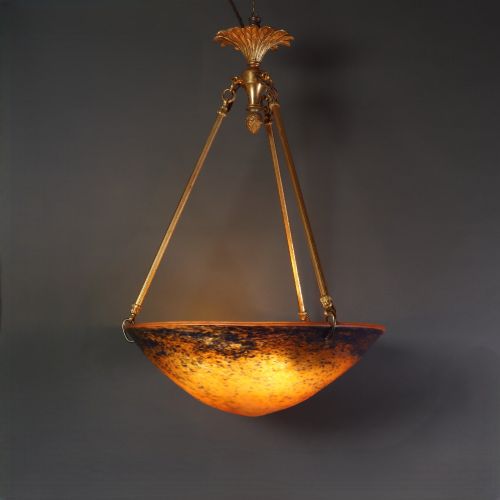
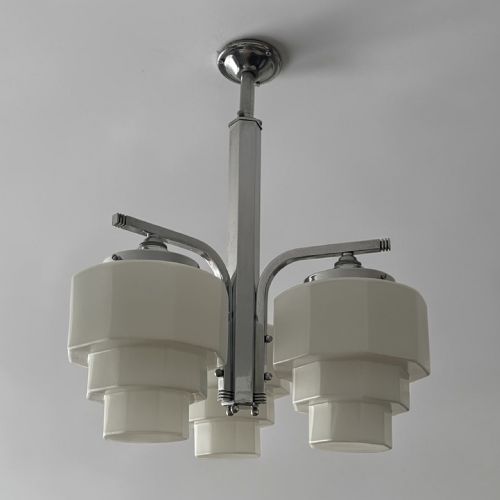
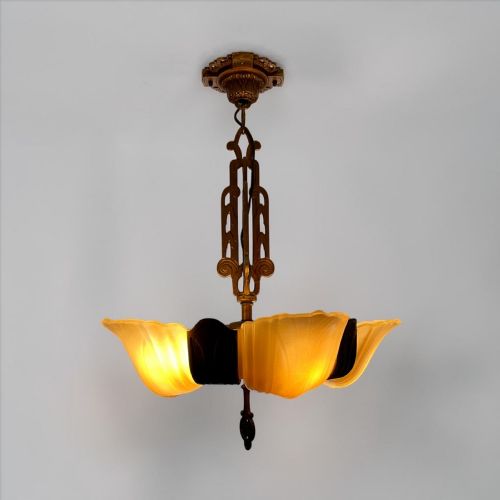
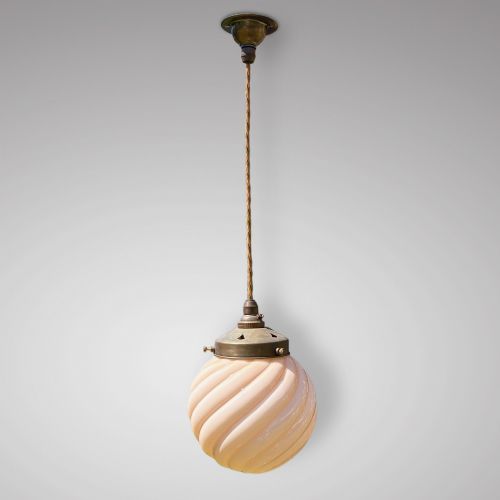
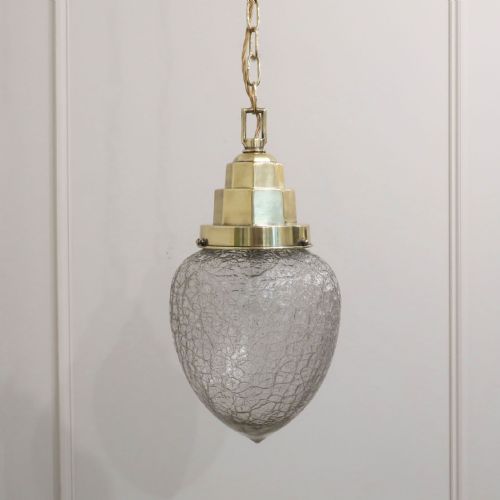
A deco glass fixture brings geometric clarity and diffused illumination into a room, combining heavy metals with moulded or pressed glass panels.
Deco Glass Fixture
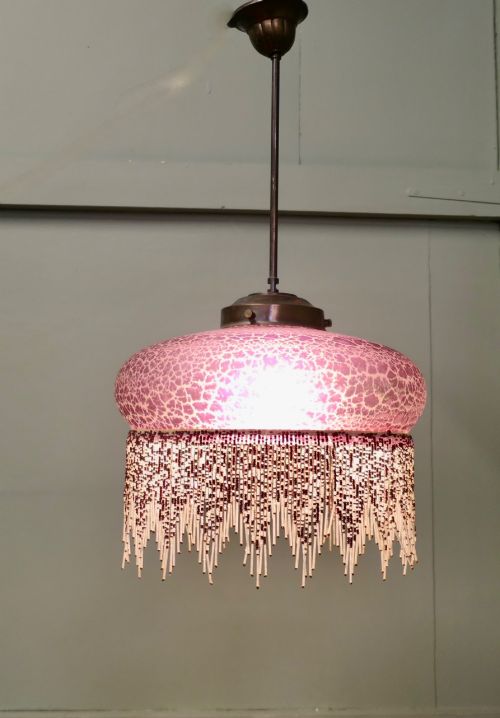
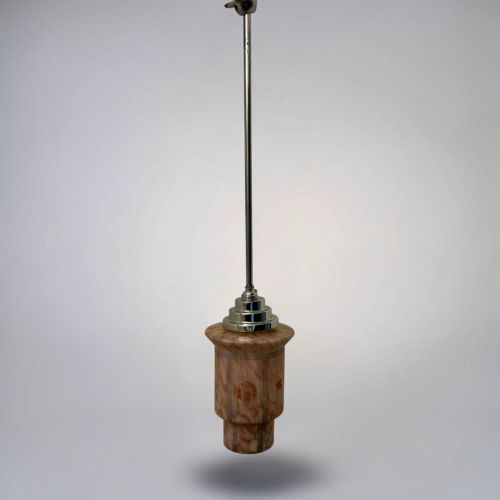
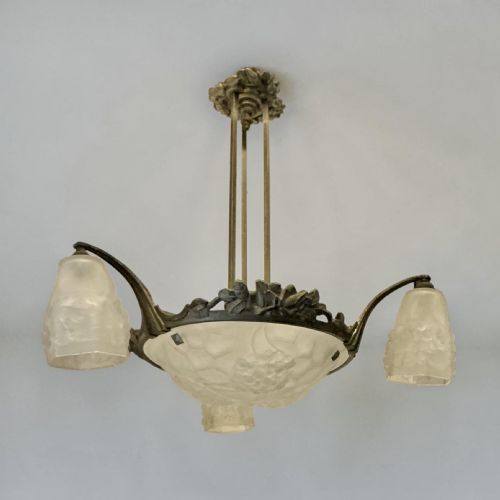
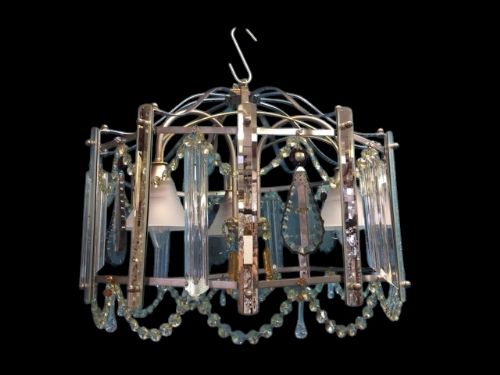
When you search for a deco glass fixture, you encounter a variety of hanging and wall-mounted lighting originating predominantly from the 1920s and 1930s. The selection on this page ranges from single pendant lights and ceiling lights to large chandeliers and wall sconces.
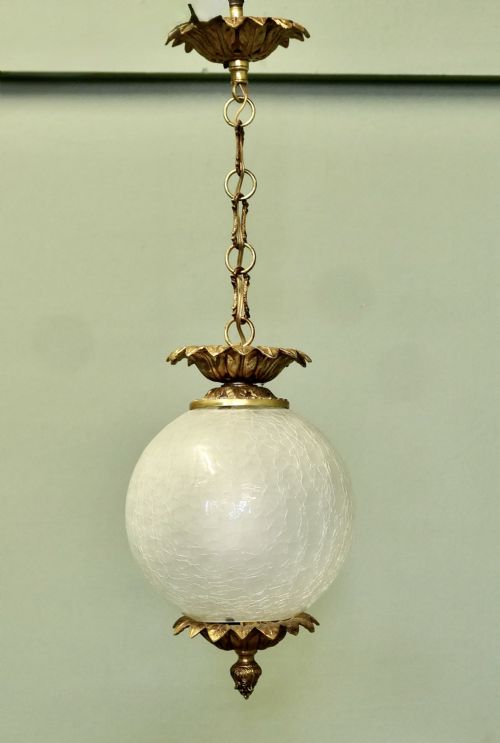
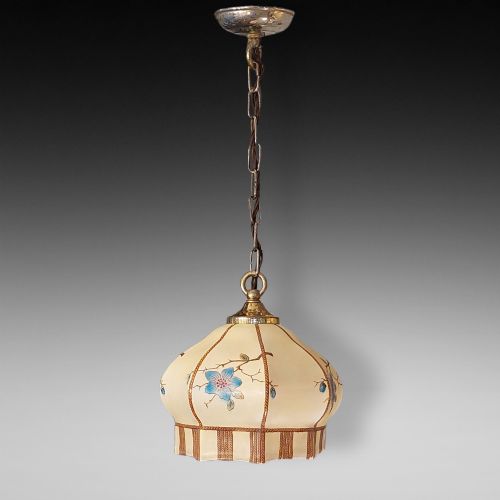
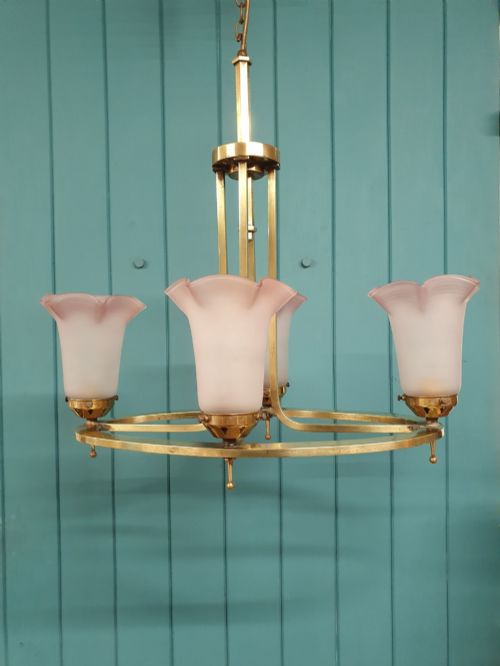
The most common form met here is the ceiling light or pendant, often pairing frosted, opaline, or cut glass with brass or chrome mounts. Alongside these pieces sit occasional earlier designs from the Edwardian period or the nineteenth century, as well as mid-century interpretations.
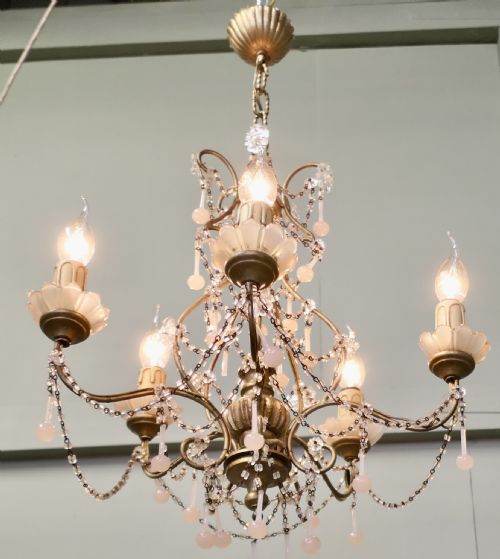
French makers and Venetian workshops heavily influence the selection, yielding coloured glass globes, slip shades, and multi-branch chandeliers. While most listings adhere strictly to Art Deco or Venetian Art Deco idioms, industrial styles and empire influences also appear.
Materials and construction
Makers constructed these luminaires using a combination of cast or spun metals and specialised glass techniques. Brass and chrome form the structural frames, ceiling roses, and mounting brackets, while copper occasionally appears in specific lantern frames.
The glass elements demonstrate diverse manufacturing methods, including hand-painted decoration, crackle glass finishes, pressed satin glass, and heavy moulded slip shades. Crystal and cut glass components provide additional refractive qualities in larger multi-tier chandeliers.
Deco Glass Fixture Retail Price Guide 2026
Typical asking prices for deco glass fixture among the pieces listed under this phrase on Sellingantiques today, from the lower quarter to the upper quarter. They describe what is for sale here now, not the wider market.
One unexpected item listed alongside the lighting is a single glass towel rail complete with chrome mountings.
Evaluating manufacturing quality
Quality in these luminaires rests upon the weight of the metal framework and the precision of the glass moulding. Superior pieces utilise thick brass or chrome mountings that securely hold heavy shades without flexing.
The fineness of the glasswork distinguishes standard production from exceptional examples, seen in the depth of pressed patterns, uniformity of opaline coloration, and clarity of cut crystal. Signed glass shades by recognised makers further elevate the standard of an assembly.
Charles Schneider·Degué·Émile-Jacques Ruhlmann·Lalique
The Deco Glass Fixture Glossary
- Plafonnier
- A bowl-shaped ceiling light fixture mounted flush or semi-flush against the ceiling. This French form directs light upwards and outwards through decorative glass.
- Slip shade
- A moulded piece of glass that fits directly into a metal frame to form a shade. These are typical of American and European lighting designs from the interwar period.
- Opaline glass
- A milky, semi-translucent white glass that diffuses light evenly. It was widely utilised in pendants and globes to reduce glare.
- Sconce
- A wall-mounted lighting fixture attached directly to a vertical surface. Examples on this page frequently incorporate chrome brackets and multiple glass tubes or trumpets.
- Chandelier
- A branched ornamental light fixture suspended from the ceiling. They vary from crystal bag designs to multi-tier arrangements holding numerous bulbs.
Deco Glass Fixture: Frequently Asked Questions
How do I clean an old glass shade?
Remove the glass component from the metal frame before washing it in warm, soapy water. Avoid harsh abrasives that can damage pressed textures or hand-painted details.
Dry the glass thoroughly with a soft cloth before reattaching it to the brass or chrome mountings.
Are these lights compatible with modern wiring?
Many vintage luminaires are rewired to meet contemporary electrical standards while retaining their original exterior components. A qualified electrician should inspect the internal fittings before installation.
Ceiling fixtures often require specific mounting brackets to support the combined weight of the metal and glass.
What is the difference between opaline and frosted glass?
Opaline glass is manufactured with specific chemical agents that create a dense, milky-white appearance with soft light diffusion. Frosted glass achieves its translucent quality through acid-etching or sandblasting the surface of clear glass.
Both treatments were favoured in the interwar period to soften the glare of electric bulbs.
How do I identify a French ceiling light?
French fixtures often feature distinctive signature etchings on the glass shades alongside characteristic geometric or floral moulding. The metalwork frequently employs sophisticated chrome or brass configurations that emphasise symmetrical lines.
Documentation or recognisable glass signatures help confirm the origin of these pieces.