



Daum Cameo Glass
These daum cameo glass pieces capture the natural world through layered colour and acid-etched texture, offering collectors masterful craftsmanship from the turn of the twentieth century.
Daum Cameo Glass
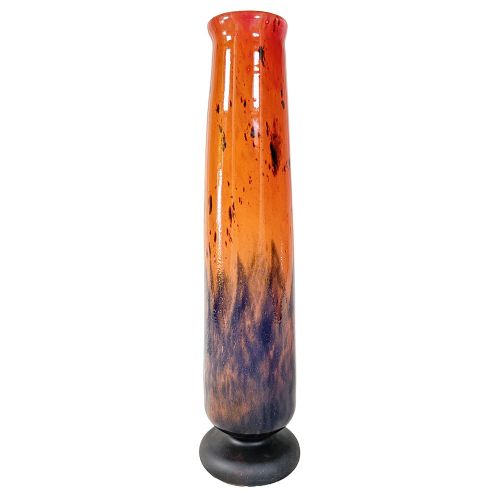
When you search for daum cameo glass, you are looking at decorative vessels and lighting created by the renowned Nancy workshop during the late nineteenth and early twentieth centuries. These works span the vibrant floral motifs of the Art Nouveau movement and the cleaner geometric lines of Art Deco.
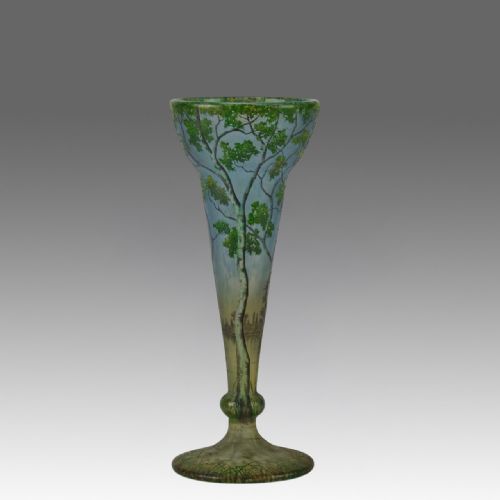
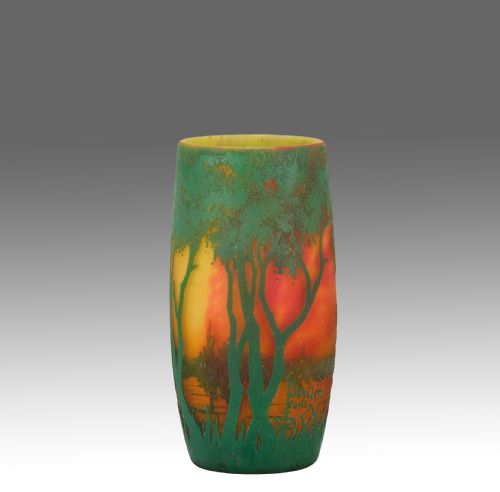
The pieces on this page are predominantly vases, though table lamps, decanters, and jugs also appear. You will most frequently encounter works featuring botanical subjects like lilies, irises, and sweet peas, alongside atmospheric landscape scenes.
The physical forms range from towering floor-scale vessels down to miniature desktop pieces. Each object serves as a tangible record of French glassmaking ingenuity from the eighteen-nineties through the nineteen-twenties.
How they were made
Makers utilised blown glass as the fundamental canvas, often layering different coloured batches of molten material to create depth before shaping the vessel. This multi-layered structure allowed artists to carve through exterior strata to reveal contrasting hues beneath.
Acid-etching played a central role in refining the surface design, sometimes combined with wheel carving and enamel details to add intricate texture and polychrome shading. Certain works incorporated powdered glass or metal mounts in silver and bronze to complete the composition.
Daum Cameo Glass Retail Price Guide 2026
Typical asking prices for daum cameo glass among the pieces listed under this phrase on Sellingantiques today, from the lower quarter to the upper quarter. They describe what is for sale here now, not the wider market.
Materials recorded across the inventory include blown glass, powdered glass, enamel, silver, and bronze mounts.
What varies in quality
The distinction between standard production and exceptional achievement rests on the depth of the carving and the complexity of the colour palette. Pieces that combine multiple techniques - such as acid-etching paired with detailed enamel work and wheel carving - demand a higher level of artistic execution.
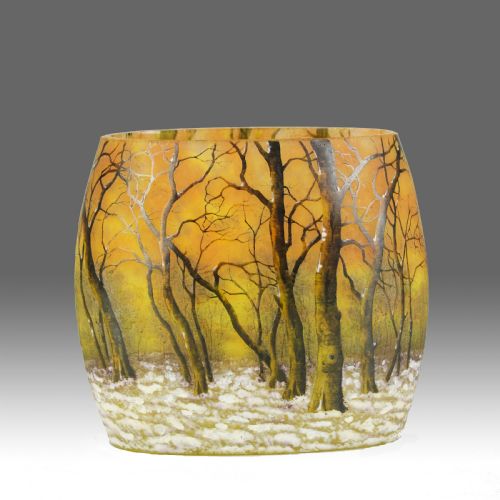
The clarity of the subject matter, whether depicting a detailed botanical specimen like the Solanacees or an atmospheric winter landscape, dictates the visual impact of the vessel. Furthermore, the integration of original metal mounts in silver or bronze elevates the overall refinement of the piece.
Daum Frères·Georg Adam Scheid
The Daum Cameo Glass Glossary
- Cameo Glass
- Glass formed with multiple layers of distinct colours, where portions of the outer layer are carved or etched away to reveal the background. This technique creates a raised, relief effect similar to traditional carved stone cameos.
- Acid-Etched Glass
- Glass decorated by exposing unprotected areas to hydrofluoric acid to eat away the surface. It provides precise control over depth and texture during the creation of intricate patterns.
- Wheel Carved
- A method of engraving glass by holding the vessel against a rotating abrasive wheel. This allows for deep, sharp cuts that enhance the sculptural quality of the design.
- Enamel
- Opaque or translucent glassy material fused to the surface of the glass through firing. It introduces painted colour and fine decorative details to the finished piece.
- Art Nouveau
- A decorative style prevalent around nineteen hundred characterised by flowing, organic lines inspired by natural forms. It heavily influences the floral ornamentation found on these vessels.
Daum Cameo Glass: Frequently Asked Questions
What is daum cameo glass?
It is decorative glassware produced in France featuring multi-layered designs carved or acid-etched to create raised floral and landscape motifs. The workshop employed skilled artisans to manipulate colour and texture on blown glass vessels.
These pieces emerged primarily around nineteen hundred during the height of the Art Nouveau movement. They remain celebrated for their artistic interpretation of nature.
How do I identify a winter landscape scene?
Winter landscape pieces typically display barren trees silhouetted against snowy, stark backgrounds, often rendered in monochromatic or subdued tones. These atmospheric works capture cold seasonal lighting through careful acid-etching and enamelling.
Such scenes appear on vases, jugs, and table lamps from the early twentieth century. They offer a striking contrast to the vibrant floral designs more commonly seen.
How should I display my vase?
Place your vessel in a secure location with indirect natural light to highlight the layered colours and textured carving. Avoid direct sunlight that might fade delicate enamel details over extended periods.
Keep the piece away from high-traffic areas where it could be accidentally knocked. Proper placement allows the transparency and depth of the glass to be fully appreciated.