


Dark Wood Shop Counter
A dark wood shop counter brings authentic commercial character into a home, offering robust storage and display surfaces shaped by decades of retail history.
Dark Wood Shop Counter
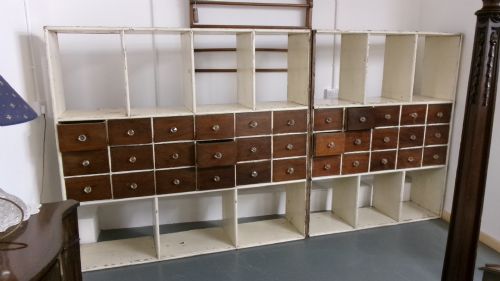
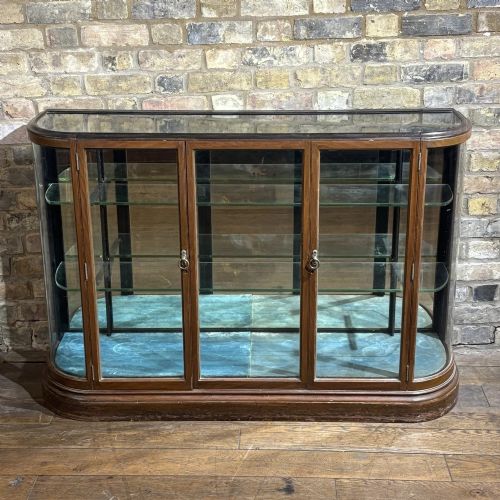
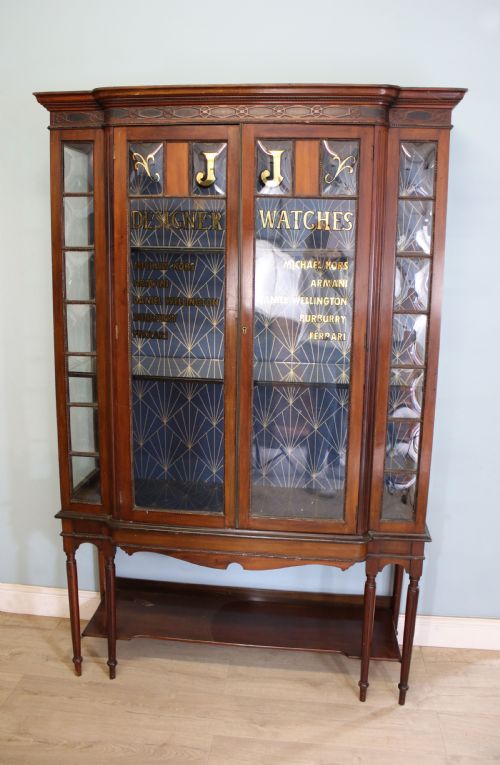
When searching for a dark wood shop counter, buyers encounter heavy commercial furniture spanning the Victorian, Edwardian and interwar commercial periods. These substantial pieces include serving counters, banks of drawers and display cabinets designed for trade.
Materials and construction
Makers utilised dense timbers such as mahogany, oak and walnut to withstand the rigours of daily trade. These dark woods provide the structural backbone for large serving counters and drawer units.
Glazing, brass hardware and fabric linings appear alongside the timber framework, particularly on countertop display cabinets and haberdashery units. Joinery emphasises durability and practical access for merchants.
Listings span the nineteenth century through the interwar commercial period, featuring mahogany, oak, walnut, pine and hardwood alongside brass and glass.
Assessing quality and proportion
Proportion and finish dictate the visual impact of each piece within a room. Finer specimens show careful selection of grain and solid timber construction throughout the body.
F. Sage & Co. London·Trussant & Cie·Rowntree’s Chocolates·Cadbury's·Venus Pencil
The Dark Wood Shop Counter Glossary
- Haberdashery cabinet
- A multi-drawer unit designed for small sewing and drapery goods. These pieces often feature glass fronts or shallow tiers.
- Countertop display unit
- A smaller glazed showcase placed upon a main counter to highlight goods. They protect items while offering customers a clear view.
- Butchers block
- A thick hardwood block used for food preparation in trade. They showcase heavy-duty end-grain timber construction.
- Treen
- Small wooden utilitarian objects made by turning or carving. Items like string dispensers fall into this category.
Dark Wood Shop Counter: Frequently Asked Questions
How are these counters cleaned?
Maintain the timber surfaces using a soft cloth and appropriate beeswax to nourish the dark wood. Avoid harsh chemical cleaners that strip the historic finish.
Glass panels require standard glass cleaner applied sparingly to prevent moisture seeping into surrounding wooden frames.
Can I use a shop counter as a kitchen island?
Many buyers adapt long serving counters and drawer units for modern kitchen spaces. Their sturdy construction and generous surface area suit culinary environments well.
Ensure the height matches your requirements and protect vulnerable historic timber from excessive moisture and heat.
What is the difference between Edwardian and Victorian examples?
Victorian commercial pieces typically feature heavier timber framing and darker, highly polished finishes. They reflect robust industrial expansion and utilitarian trade needs.
Edwardian designs often display slightly lighter proportions and refined glazing techniques, moving toward early twentieth-century commercial aesthetics.
Are the glass panels original?
Original glass often exhibits minor surface imperfections, small bubbles or slight waviness characteristic of older manufacturing methods. Inspect the glazing beads and putty to determine if panes have been replaced over time.
Display cabinets retain distinct glass doors or sliding panels designed for frequent merchant access.