

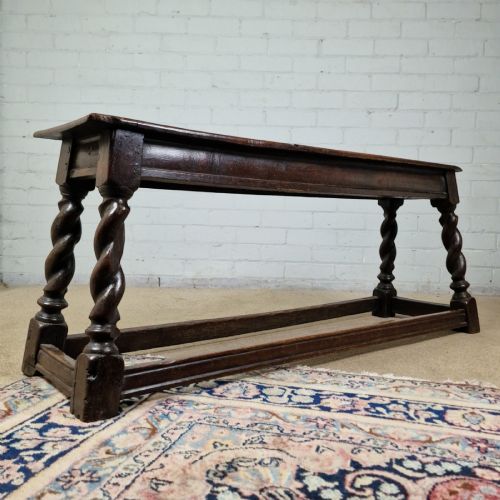
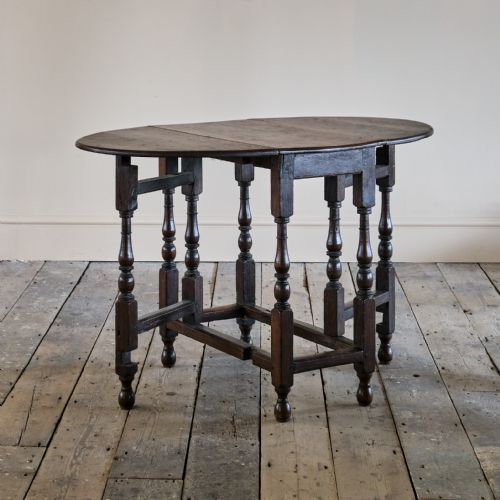
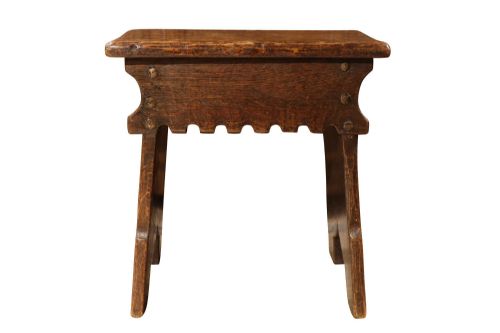


Dark Wood Joint Stool
A dark wood joint stool brings solid seventeenth-century craft and sturdy oak timber directly into a modern interior.
Dark Wood Joint Stool
A dark wood joint stool represents a traditional form of seating rooted in early joinery methods, constructed from sturdy timbers. These pieces range from seventeenth-century originals to later revivals and related forms like long stools and box stools.
Buyers encountering this search phrase will find pieces spanning several centuries, including eighteenth-century examples and nineteenth-century interpretations. Oak remains the predominant material, accompanied by occasional elm and iron fittings.
The selection includes low stools, long benches, and pegged construction forms reflecting Jacobean and rustic farmhouse styles. Such items serve practical seating roles or function as compact side surfaces in traditional and contemporary spaces.
Construction and Materials
These stools rely heavily on English oak and general hardwood, shaped through traditional pegged construction. Joiners utilised mortise and tenon joints secured with wooden pegs rather than metal nails to build rigid, load-bearing frames.
Surfaces often display the grain of oak or elm, occasionally paired with hessian webbing or iron hardware. Makers built these items for durability, ensuring the heavy timber could withstand daily domestic use.
Dark Wood Joint Stool Retail Price Guide 2026
Typical asking prices for dark wood joint stool among the pieces listed under this phrase on Sellingantiques today, from the lower quarter to the upper quarter. They describe what is for sale here now, not the wider market.
The listings span from the seventeenth century through to the Edwardian period, with oak dominating the material selection alongside elm.
Assessing Quality
Quality in these items rests on the integrity of the original joinery and the retention of early pegged construction. Pieces retaining their original timber surfaces show greater authenticity than heavily restored or altered examples.
Proportion and form separate standard production from superior craftsmanship, particularly in early seventeenth-century pieces and careful nineteenth-century revivals. The handling of the wood grain and the tightness of the joints dictate the overall structural success.
The Dark Wood Joint Stool Glossary
- Joint stool
- A sturdy wooden stool built using mortise and tenon joints by a joiner rather than a carpenter. This method created rigid right angles and reliable domestic seating.
- Pegged construction
- A technique utilising wooden dowels to lock timber joints firmly into place. This avoids reliance on metal fasteners.
- Jacobean
- A design style spanning the early seventeenth century characterised by heavy proportions and dark oak. Revivals of this aesthetic appeared in later centuries.
- Box stool
- A variant featuring enclosed sides that created hidden storage beneath the seat. These combined seating with a small chest function.
Dark Wood Joint Stool: Frequently Asked Questions
What is a dark wood joint stool used for?
These pieces serve primarily as rigid, low seating around a table or beside a hearth. Their flat tops also allow them to function as small side tables or plant stands.
Historically, their sturdy build made them versatile household items capable of supporting heavy loads or serving as makeshift steps.
How do I date an old joint stool?
Dating relies on examining the tool marks, timber shrinkage, and the type of joinery employed. Seventeenth-century examples display hand-split oak and traditional pegged construction.
Later nineteenth-century revivals often show machine sawn timber and standardised peg placement while mimicking earlier styles.
Are these stools comfortable to sit on?
Original forms feature solid wooden tops without upholstery, prioritising durability over cushioned comfort. They suit short periods of seating rather than lounging.
Owners sometimes add loose squabs or pads to soften the wooden surface for daily use.
How should I care for antique oak furniture?
Keep wooden furniture away from direct heat sources and sudden humidity changes to prevent the timber from splitting. Regular dusting with a dry cloth maintains the surface.
Applying traditional wax occasionally helps nourish the oak without building up artificial gloss.