

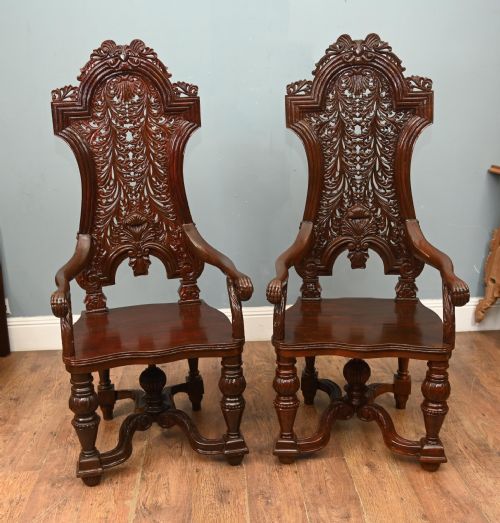


Dark Wood Gothic Chairs
Dark wood gothic chairs bring architectural presence to a room, combining heavy timber frames with pointed arches and tracery.
Dark Wood Gothic Chairs
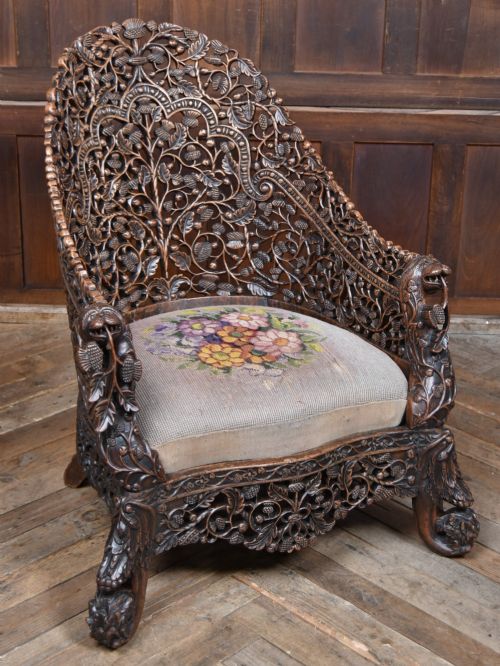
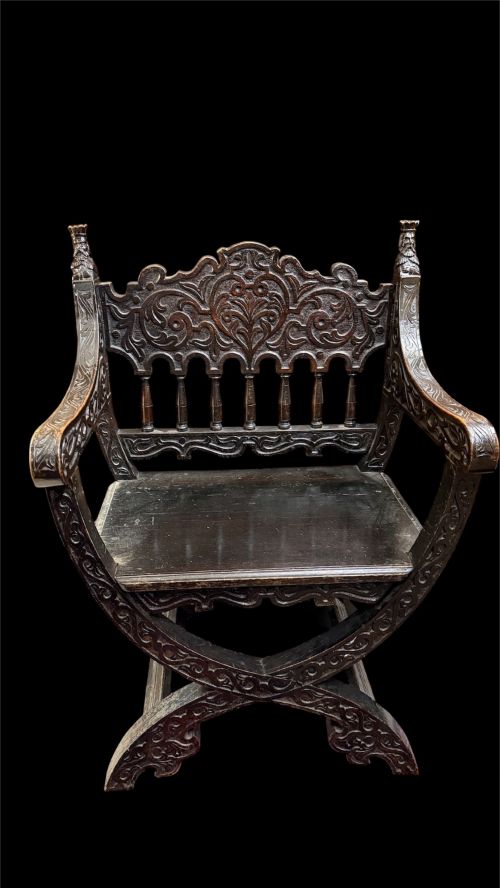
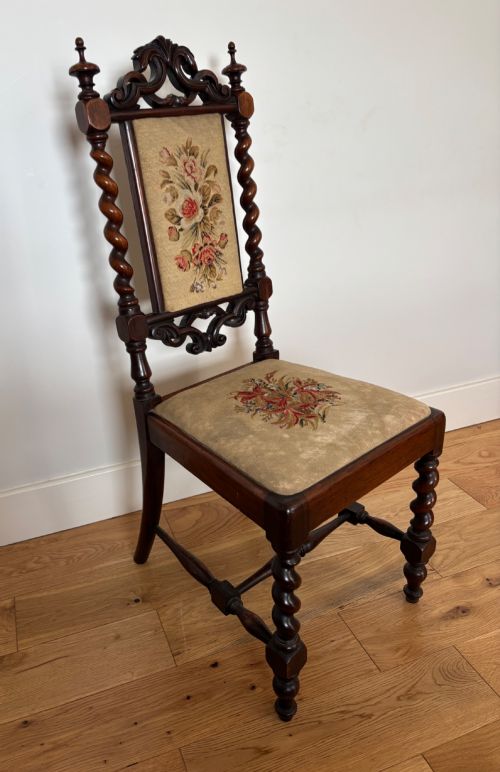
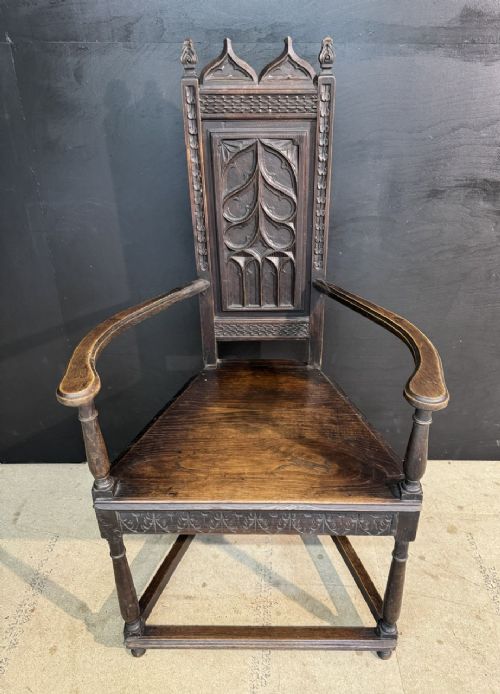
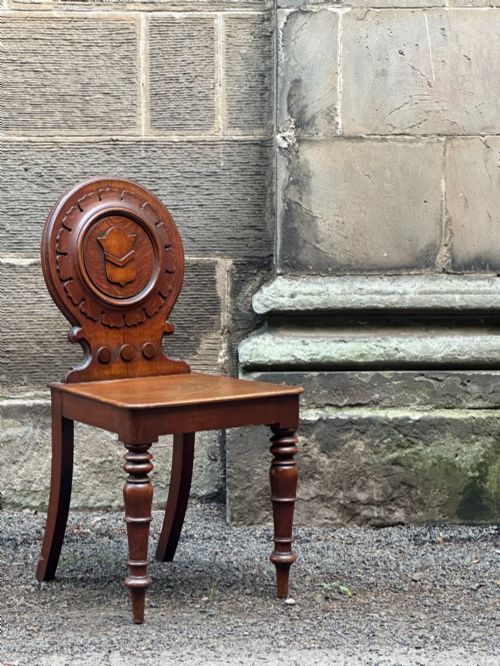
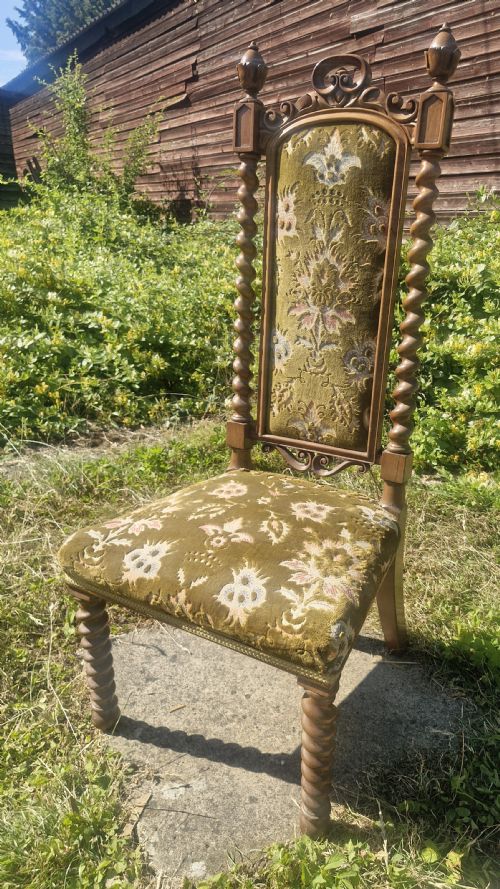
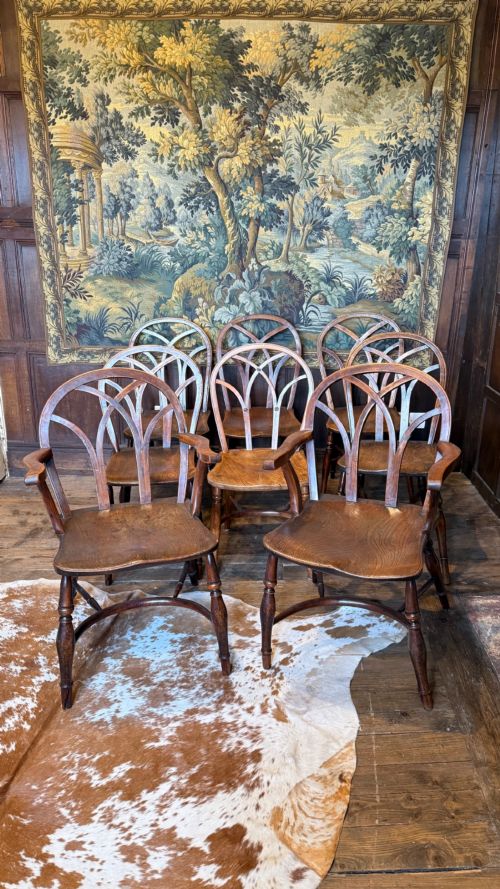
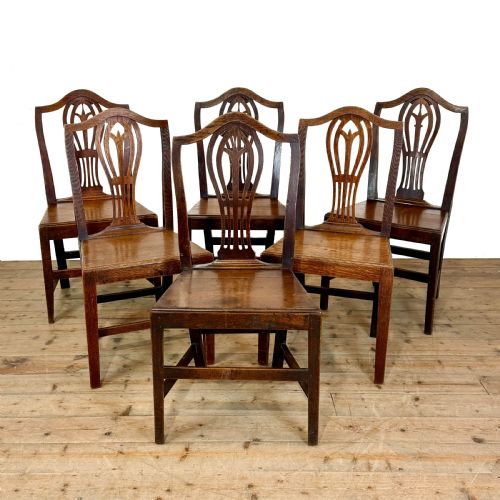
Dark wood gothic chairs encompass a diverse range of seating forms designed with medieval architectural motifs, spanning periods from the eighteenth century through the nineteenth century and into the early twentieth century. You will encounter dining chairs, armchairs, and hall chairs most frequently, alongside specialised forms such as prie dieu chairs, nursing chairs, and spinning chairs.
The aesthetic draws heavily on Victorian Gothic Revival, Jacobean Revival, and Renaissance Revival styles, utilising robust timbers like oak, rosewood, walnut, and mahogany. Pieces range from vernacular Welsh oak seating to exhibition quality carved armchairs and matched sets of dining chairs.
Materials and Construction
Makers relied principally on dense timbers, predominantly oak and rosewood, supplemented by mahogany, walnut, and fruitwood to construct these substantial frames. Joinery relied on traditional pegged and tenoned joints designed to withstand heavy daily use.
Carving defines the decoration, utilising hand tools to render tracery, linenfold panels, and heraldic motifs directly into the solid wood. Where upholstery appears, materials such as leather, fabric, and traditional stuffing complete the seat.
Several examples feature fully rotating mechanisms and spinning designs, proving that Victorian makers enjoyed a clever swivel just as much as we do.
Craftsmanship and Proportion
Quality rests in the crispness and depth of the hand carving, where sharper architectural details distinguish superior workshop output from simpler vernacular items. The choice and figure of the timber further separate standard production from exceptional examples.
Structural integrity and proportion determine practical merit, with heavier frames requiring balanced design to ensure stability. Original surfaces and minimal timber replacement preserve the historical character of the piece.
The Dark Wood Gothic Chairs Glossary
- Gothic Revival
- An architectural and decorative style popular during the nineteenth century that revived medieval forms, pointed arches, and tracery.
- Wainscot Chair
- A heavy, solid wooden armchair originating in the sixteenth and seventeenth centuries, constructed with panelled backs.
- Prie Dieu
- A low devotional chair, often featuring an elevated backrest used for kneeling or leaning during prayer.
- Tracery
- Openwork ornamentation in stone or wood, commonly found in the cusped patterns of gothic windows and chair backs.
- Hall Chair
- A rigid, often wooden seat placed in an entrance hall, typically featuring a carved back panel bearing crests or heraldry.
Dark Wood Gothic Chairs: Frequently Asked Questions
Where were dark wood gothic chairs placed?
These chairs were primarily designed for formal reception rooms, libraries, and hallways where their architectural presence could impress visitors. Dining variants furnished large houses, while smaller forms suited private studies and bedchambers.
Domestic interiors of the nineteenth century utilised them to create a solemn, historic atmosphere that reflected medieval revival tastes.
How do I care for antique oak and rosewood?
Maintain these timbers by applying occasional high quality wax polish to nourish the grain and protect the surface from drying out. Avoid placing the furniture near direct heat sources or in strong sunlight.
Dust regularly with a soft cloth to prevent grime accumulation in the deep crevices of the hand carving.
Are these chairs comfortable for daily use?
Many examples prioritize architectural form and upright posture over modern ergonomic comfort, particularly rigid hall chairs and high backed designs. Upholstered armchairs and padded library seats offer a softer sit for extended lounging.
Evaluating the seat height and depth helps determine suitability for contemporary seating arrangements.
How can I identify the period of a gothic chair?
Examine the timber preparation, tool marks, and joinery methods to ascertain whether a piece originates from the nineteenth century revival or earlier eras. Revival pieces often display machine assistance or characteristic Victorian secondary woods.
Stylistic cues such as specific revival crossovers, including Jacobean or Renaissance elements, assist in dating the construction.