


Dark Wood Drawer Unit
A dark wood drawer unit organises domestic or commercial life through timber construction, offering deep storage within period forms.
Dark Wood Drawer Unit
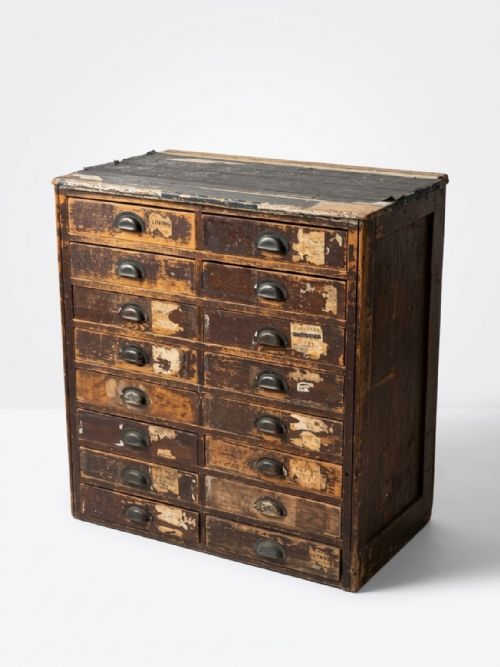
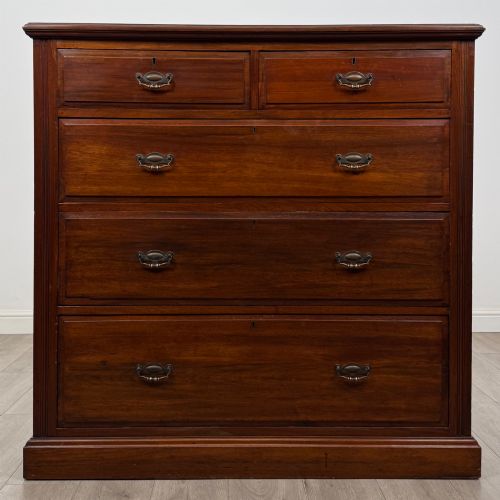
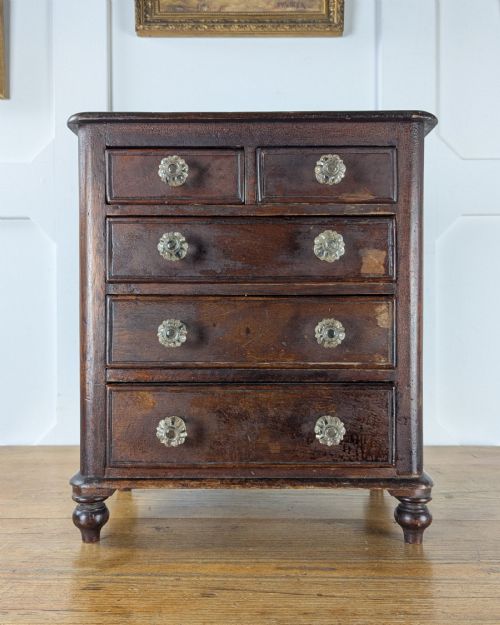
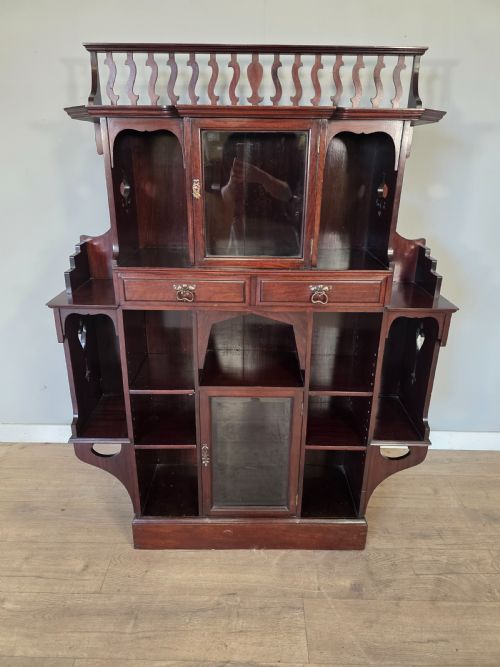
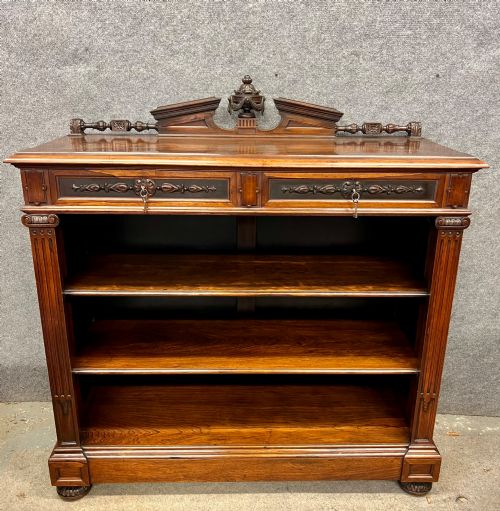
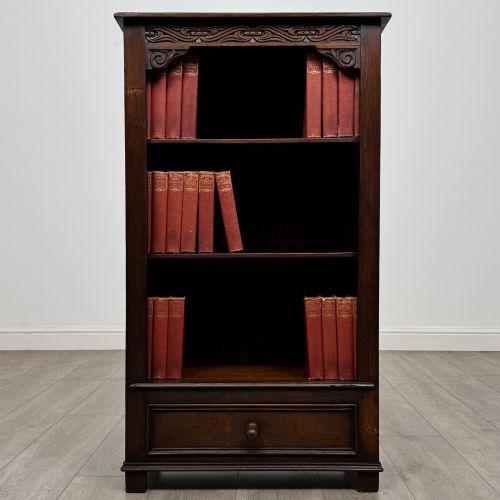
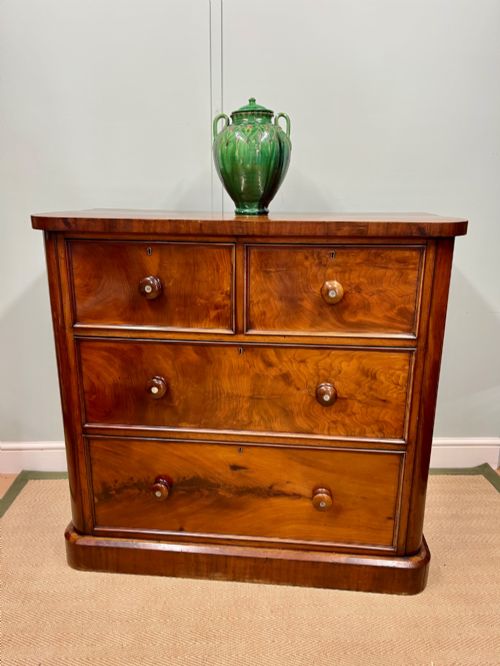
When you search for a dark wood drawer unit, you encounter a varied selection of functional storage furniture spanning several centuries. The pieces on this page include mahogany chests of drawers, oak filing cabinets, rosewood whatnots, and specialised shop fittings.
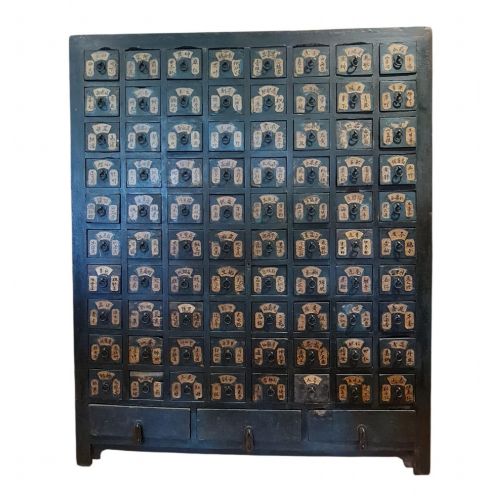
Victorian and Edwardian examples dominate the selection, alongside Georgian items and pieces from the 1920s and 1930s. Forms range from miniature apprentice chests and tall-boys to multi-drawer apothecary cabinets and library card filing sets.
Origins stretch across English workshops, French studios, and Chinese provinces, showing diverse practical applications from domestic bedrooms to merchant counters.
How They Were Made
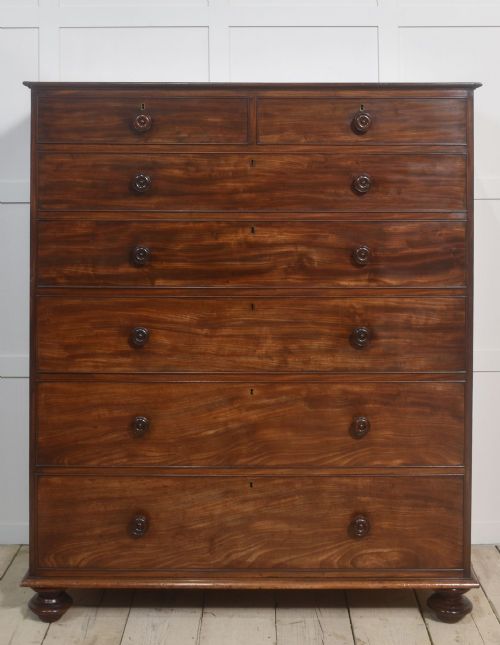
Cabinet makers utilised dense hardwoods such as mahogany, rosewood, walnut, and oak, often pairing them with secondary pine or deal for internal partitions and drawer linings. Flame mahogany veneers provide striking grain patterns on drawer fronts, while solid timbers construct weight-bearing frames and shelves.
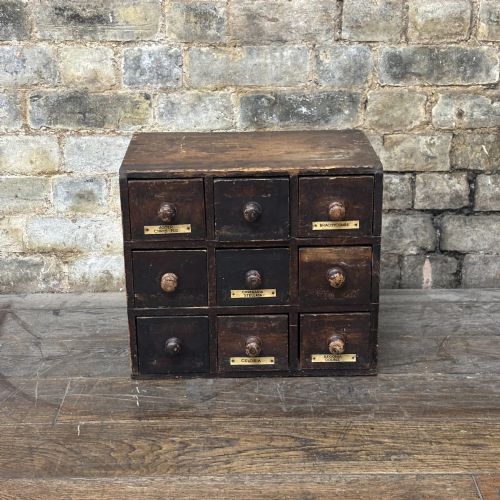
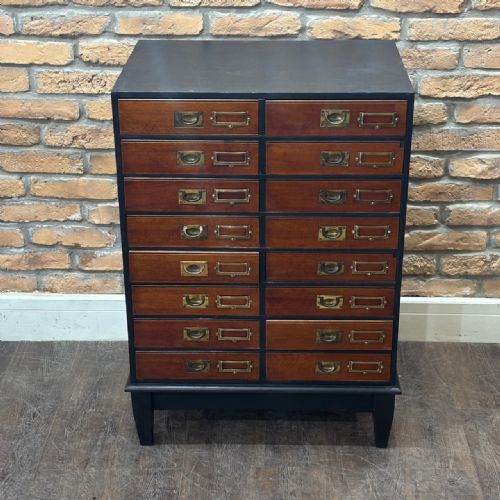
Metal fittings complement the dark wood construction, incorporating cast brass pull handles, ironmongery label holders, and bronze animal decorations on specific regional cabinets. Joinery techniques depend on the period, balancing structural rigidity with decorative proportion.
Listings feature 19th Century, Victorian, Georgian, Edwardian, and 1930s periods, constructed in mahogany, oak, rosewood, walnut, pine, and glass.
What Varies in Quality
The standard of a dark wood drawer unit rests on the selection of timber and the execution of the drawer joints. Superior pieces display matched grain patterns across multiple drawer tiers and retain original hardware such as shell pulls and brass label holders.
Construction depth defines utility, seen in smooth-running graduated drawers and stable carcass framing that withstands heavy daily use in commercial or residential settings.
The Dark Wood Drawer Unit Glossary
- Chests of Drawers
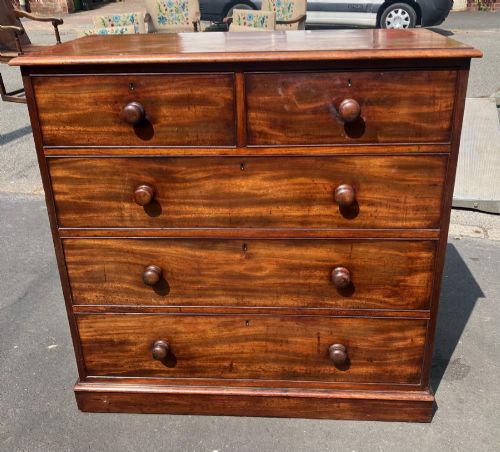
- Autonomous storage furniture featuring stacked horizontal drawers within a rectangular carcass. These pieces serve bedroom and parlour storage.
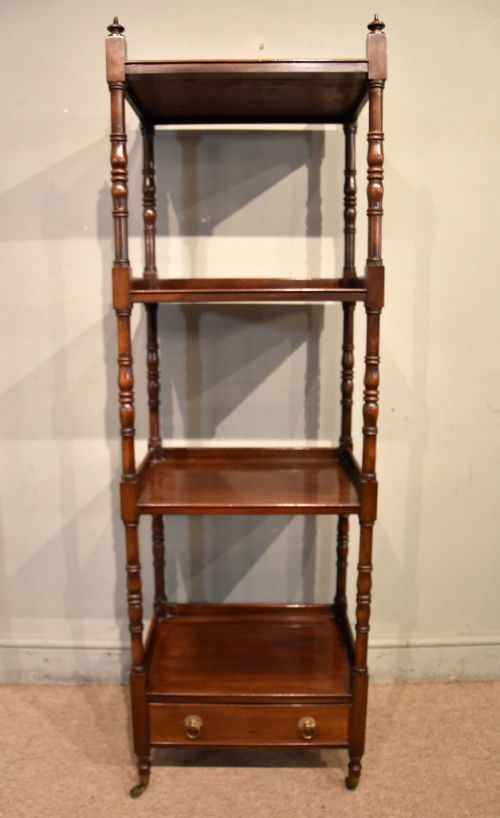
- Whatnot
- Open tiered shelving units supported by vertical corner columns, designed for displaying decorative objects and books. They appear frequently in rosewood and mahogany.
- Bank of Drawers
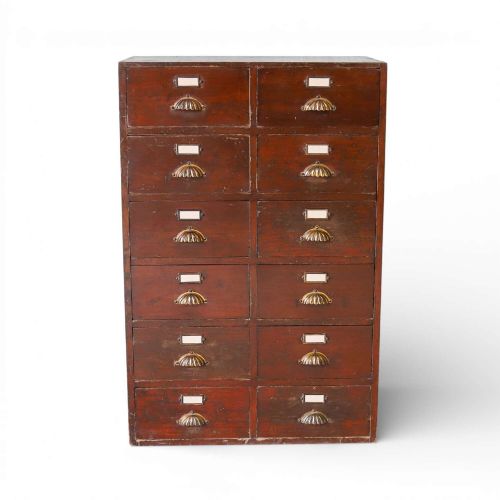
- Multi-compartment modular storage units originally utilised in shops, pharmacies, and offices. They contain numerous small drawers for organised stock.
- Etagere
- French tiered shelving furniture similar to a whatnot, used for display in 19th-century interiors.
- Flame Mahogany
- Timber cut at the junction where branches meet the main trunk, producing a distinctive flickering flame grain pattern. Cabinet makers used this for decorative drawer fronts.
Dark Wood Drawer Unit: Frequently Asked Questions
What is a dark wood drawer unit?
A dark wood drawer unit is a piece of furniture built from timber such as mahogany, oak, walnut, or rosewood, designed with sliding storage compartments. The selection includes domestic chests, shop counters, and filing cabinets.
These items range from compact tabletop apothecary chests to tall Georgian tall-boys, utilising traditional joinery and metal hardware.
How do I date a wooden chest?
Dating relies on observing construction methods, timber choices, and hardware styles across different eras. Georgian pieces often show hand-cut dovetails and specific bracket feet, while Victorian items introduce machine-sawn elements and rosewood veneers.
Maker labels, brass pull designs, and secondary woods like pine or deal further clarify the production decade.
Where were apothecary chests used?
Apothecary chests functioned in chemist shops and medical dispensaries to sort powders, herbs, and remedies. Their numerous small drawers kept ingredients separated and labelled.
Commercial examples often feature original brass label holders and turned wooden pulls for rapid identification during trade.
How do I maintain mahogany furniture?
Mahogany requires stable indoor humidity and protection from direct sunlight to prevent timber splitting and fading. Regular dusting with a soft cloth preserves the polished finish.
Applying occasional appropriate wax maintains the moisture balance in the wood without building up heavy chemical residues.