

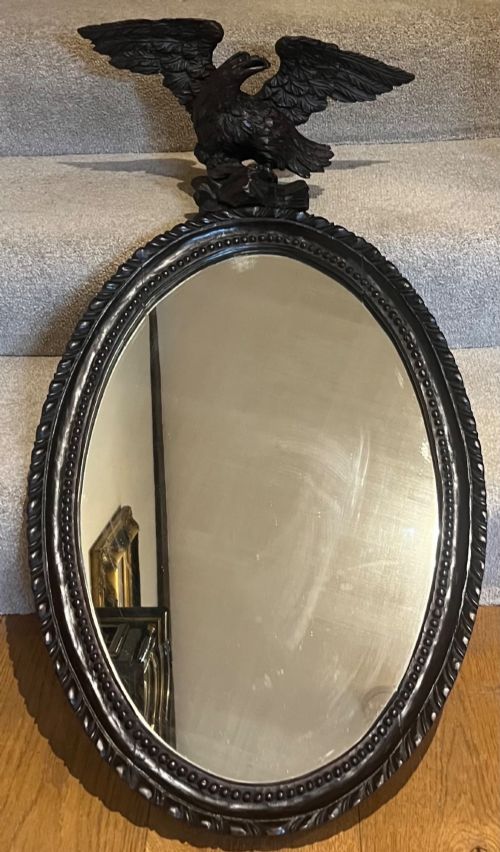


Dark Timber Mirror
A dark timber mirror brings weight and presence to a room, grounding the wall with deep grain and storied craftsmanship.
Dark Timber Mirror
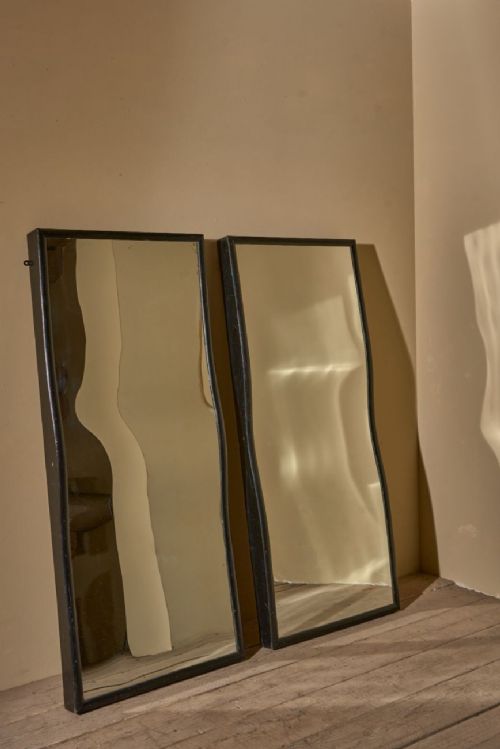
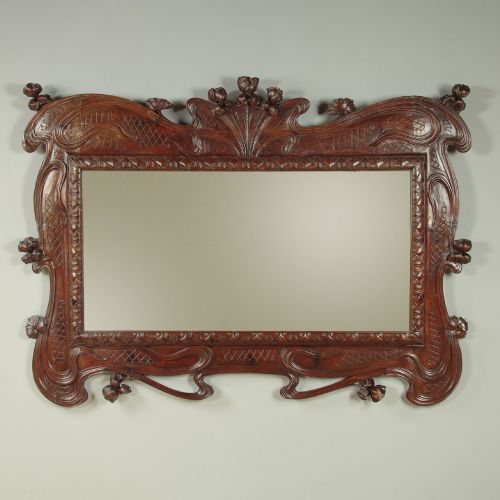
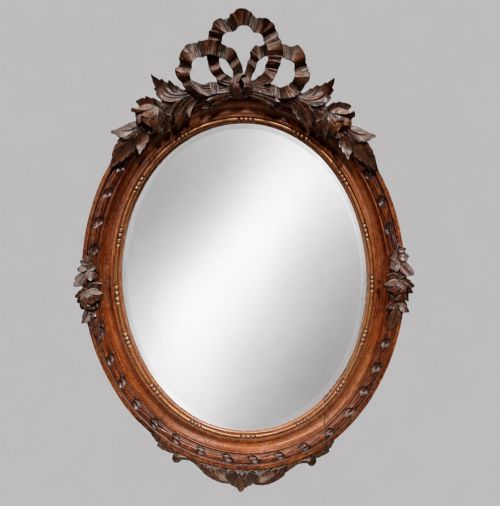
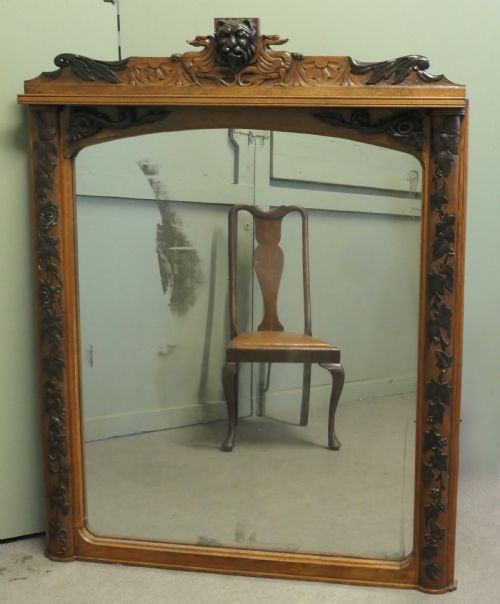
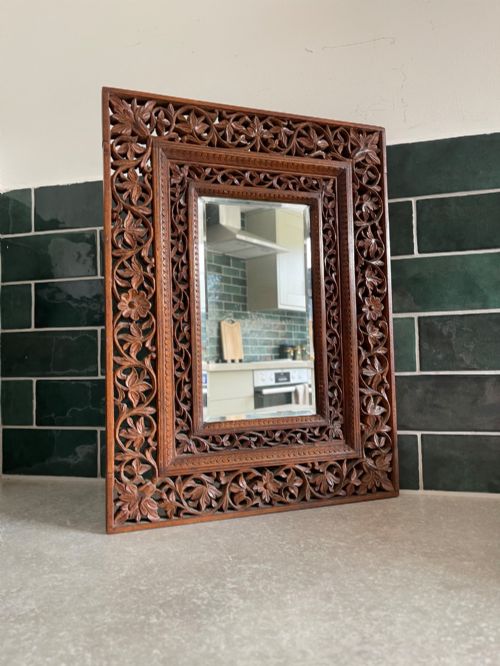
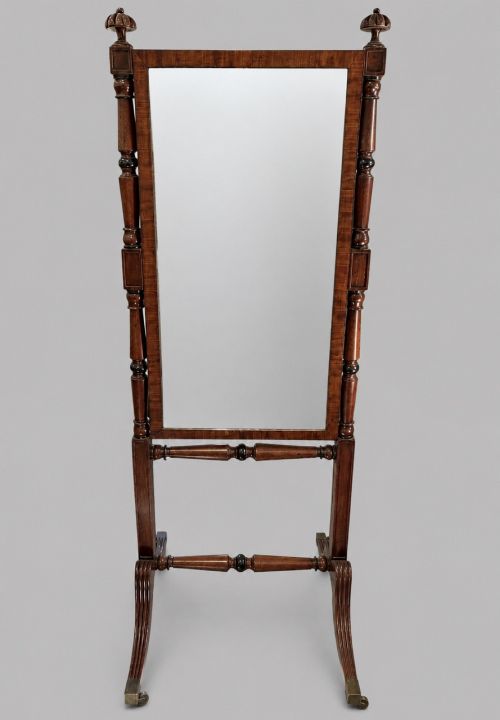
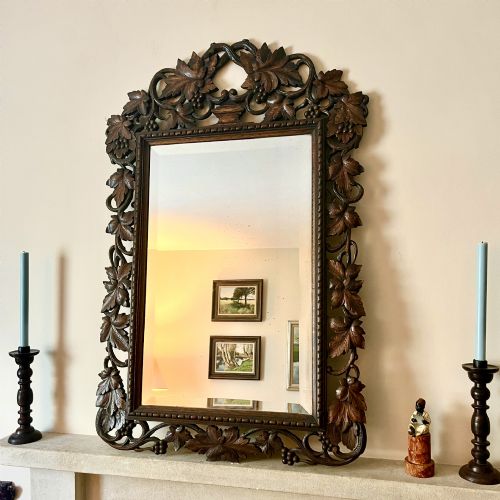
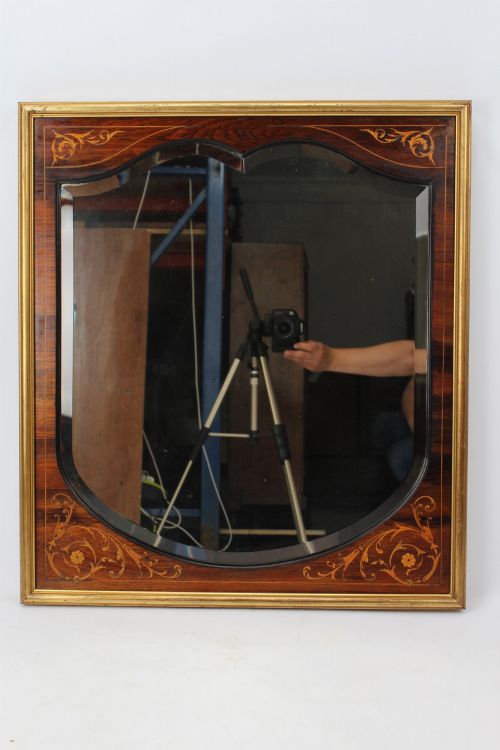
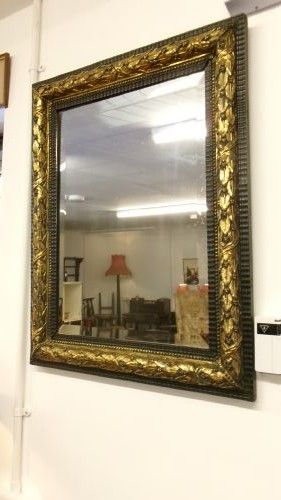
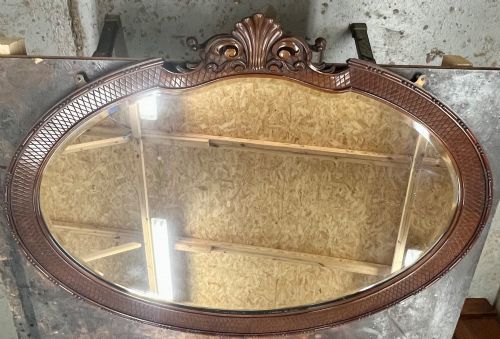
The pieces on this page are predominantly wall mirrors, overmantel mirrors, and cheval mirrors originating from the nineteenth century, the Victorian era, and the Edwardian period. Oak and mahogany frames dominate the selections, frequently displaying intricate carved details or classic cushion moulding.
Regional and international styles appear alongside British designs, ranging from Black Forest animal carvings and Anglo-Indian woodwork to Regency details and Gothic revival motifs. Buyers are most likely to meet substantial wall-hung oak frames and polished mahogany dressing table mirrors.
Materials and construction
Makers utilised solid hardwoods like oak, mahogany, walnut, and rosewood for structural stability and deep natural colour. These woods were often hand-carved with botanical motifs, eagles, or geometric patterns, or finished with decorative elements such as brass mounts, inlay, and gilt accents.
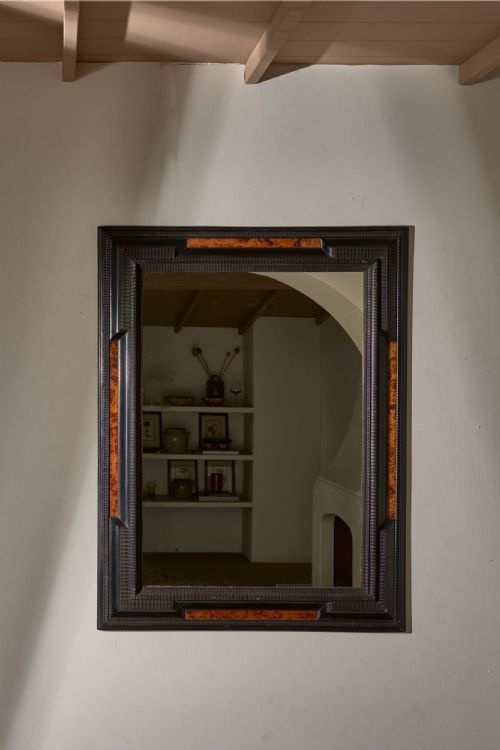
Glass plates were bevelled or flat-set into rebated wooden frames, sometimes backed with original timber panels secured by traditional fixings. Ebonised finishes and faux tortoiseshell effects were also applied to create dramatic visual contrast within the polished wooden surface.
Judging the standard of execution
Quality rests in the depth and sharpness of the hand-carving and the integrity of the timber selection. Superior pieces display crisp relief work in the wood and thoughtful grain alignment across the frame joints rather than mechanical uniformity.
The distinction between standard examples and finer works lies in the handling of secondary materials, such as original brass hardware, bevelled glass plates, and secondary timber backboards that have survived intact without heavy restoration.
Gabriel Viardot
The Dark Timber Mirror Glossary
- Cheval mirror
- A full-length mirror hung in a frame on pivots, allowing the glass to tilt. This freestanding form was typically placed in bedrooms and dressing rooms.
- Overmantel mirror
- A large horizontal mirror designed to sit directly above a fireplace mantelpiece. These pieces often anchor the proportions of a principal room.
- Cushion frame
- A convex, rounded wooden moulding profile that frames the mirror plate. This style creates a pronounced, sculptural depth around the glass.
- Pier mirror
- A tall, narrow mirror designed to hang on the wall space between two windows. They reflect additional light into darker architectural corners.
- Ebonisation
- A chemical or pigment process applied to timber to imitate ebony. This dark, light-absorbing finish was favoured for dramatic nineteenth-century frames.
Dark Timber Mirror: Frequently Asked Questions
Where should I hang a heavy oak wall mirror?
Heavy oak and timber frames require secure fixing directly into solid masonry or substantial wall studs to support their considerable weight safely. Ensure the hanging wire or brackets match the mass of the wood.
Position the mirror at a height that reflects eye level or catches natural light from an adjacent window to brighten the surrounding space effectively.
How do I clean an antique wooden frame?
Dust the carved wooden surfaces gently with a soft, dry cloth to prevent accumulation in the recesses of the relief work. Avoid harsh modern chemical sprays that can strip the historic polish.
Feed dry timber occasionally with an appropriate micro-crystalline wax to maintain the moisture and natural sheen of the dark wood.
What is the difference between an overmantel and a wall mirror?
Overmantel mirrors are traditionally wider than they are tall, proportioned specifically to sit above a fireplace hearth and visually balance the mantel shelf below. Standard wall mirrors are built in varied vertical, square, or horizontal formats for general room placement.
Both types utilise dark timber frames, but overmantels often carry more imposing architectural decoration suited to principal reception rooms.
How do I date a Victorian mahogany mirror?
Examine the timber species, the construction of the backboards, and the style of the carving or brass hardware used in the assembly. Victorian pieces frequently combine dense mahogany with heavy moulded frames or elaborate foliate carving.
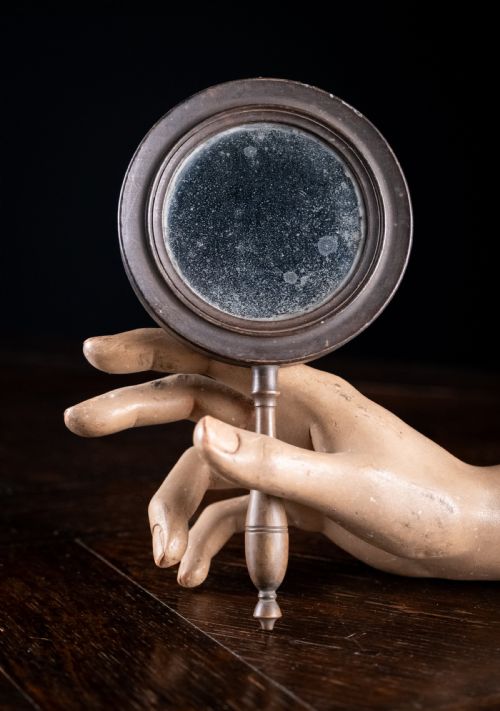
Look for signs of age in the glass plate, such as slight oxidation or hand-bevelling, which distinguish nineteenth-century production from later reproductions.