



Dark Oak Office Furniture
Dark oak office furniture brings heavy timber and practical workspaces together into rooms that need character and function.
Dark Oak Office Furniture
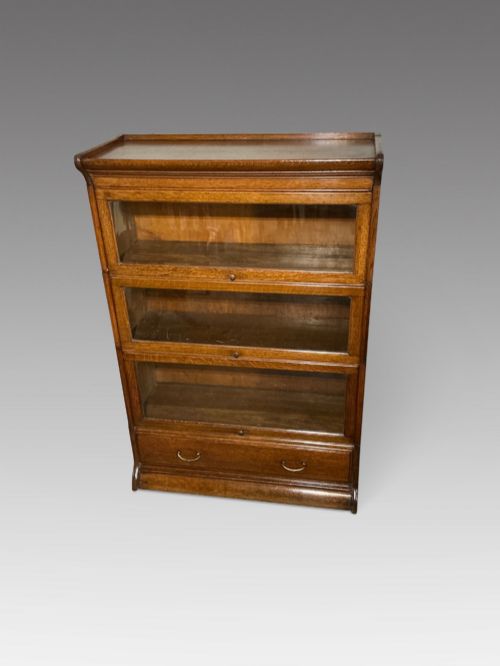
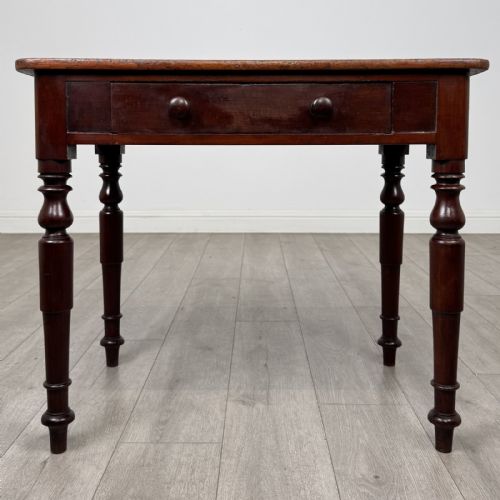
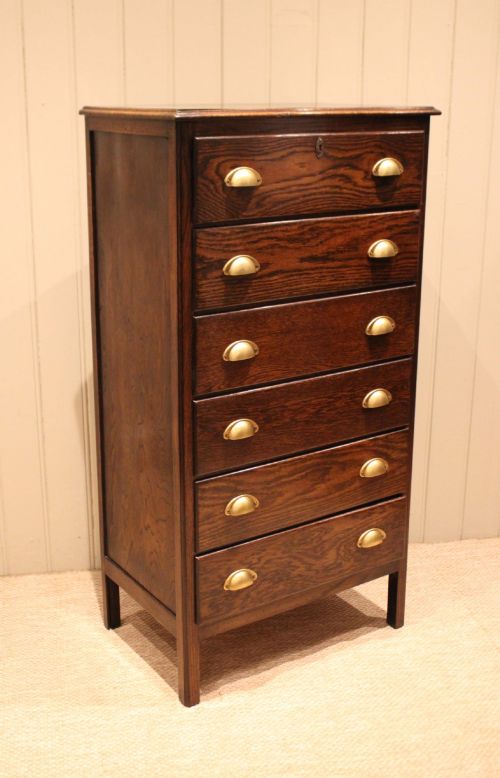
Dark oak office furniture covers hardworking desks, filing cabinets, and seating designed for administrative tasks in studies and offices. These pieces arrive from various eras, including the seventeenth century, Victorian period, Edwardian years, and the interwar decades of the twentieth century.
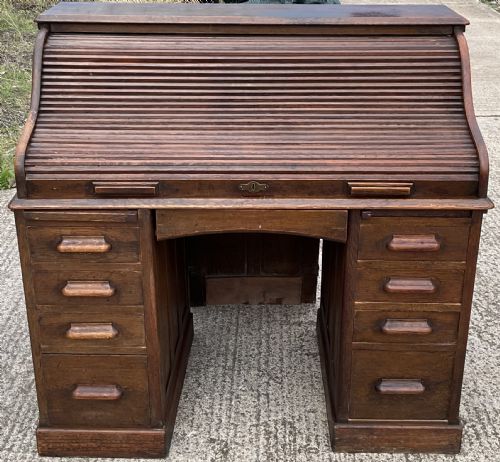
Buyers meet Edwardian bureaus, Victorian pedestal desks, and 1920s roll top desks most frequently when browsing this selection. Each piece reflects the functional demands of its period, from simple writing slopes to complex filing systems.
How they were made
Makers utilised solid oak planks, joining structural elements with traditional methods to withstand daily office use. Grain patterns show the natural figure of the timber, darkened over time through polishing and finishing.
Hardware consists of brass fittings and metal mechanisms, particularly on roll top desks and tambour door cabinets where slatted fronts slide smoothly along tracks. Leather appears inset into desk surfaces to provide a smooth writing plane.
Dark Oak Office Furniture Retail Price Guide 2026
Typical asking prices for dark oak office furniture among the pieces listed under this phrase on Sellingantiques today, from the lower quarter to the upper quarter. They describe what is for sale here now, not the wider market.
Listings feature oak alongside mahogany, brass, metal, and leather across periods spanning the seventeenth century to the 1930s.
What varies in quality
Construction robustness separates utilitarian pieces from finer items designed for prominent studies. Heavier timber gauges and substantial framing ensure lasting stability for desks and bookcases subjected to heavy ledgers and books.
Mechanism precision defines the better examples, particularly in roll top desks and tambour filing cabinets where sliding slats must align without binding. Original brass hardware and well-fitted drawers indicate higher workshop standards.
The Dark Oak Office Furniture Glossary
- Tambour
- A flexible shutter made of narrow strips of wood glued to canvas, allowing cabinet doors to slide around a curve. This mechanism conceals interior pigeonholes and filing slots in desks and cabinets.
- Pedestal desk
- A heavy freestanding writing table supported by two vertical banks of drawers rather than simple legs. These large pieces provide substantial storage capacity alongside a wide writing surface.
- Bureau
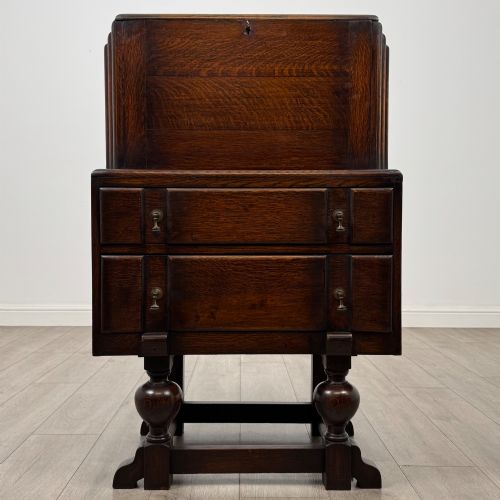
- A sloping writing flap hinged above a set of drawers or a kneehole space, often fitted with internal pigeonholes. When closed, the slope conceals correspondence and writing materials.
- Book press
- A heavy mechanical device utilising a large screw thread to flatten paper or bind volumes tightly. These workshop tools appear in durable timber frames.
Dark Oak Office Furniture: Frequently Asked Questions
How do I date a roll top desk?
Roll top desks largely date from the late nineteenth century through to the interwar period. Examining the internal drawer construction and the complexity of the tambour tracks helps narrow the decade.
Earlier examples tend to feature hand-cut dovetails and solid timber carcases, whereas later twentieth-century versions incorporate machine-produced elements and lighter oak veneers.
What is a Captains chair?
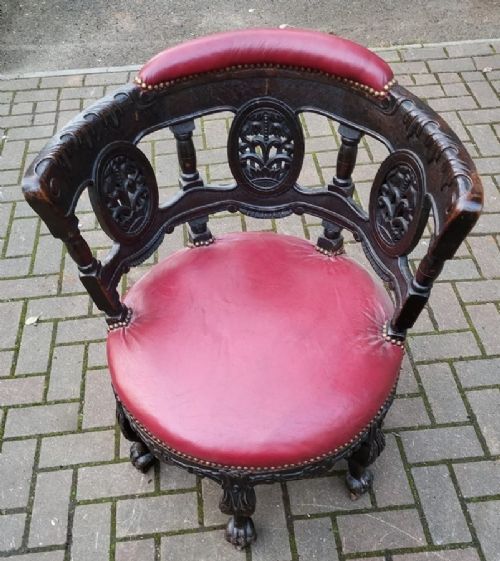
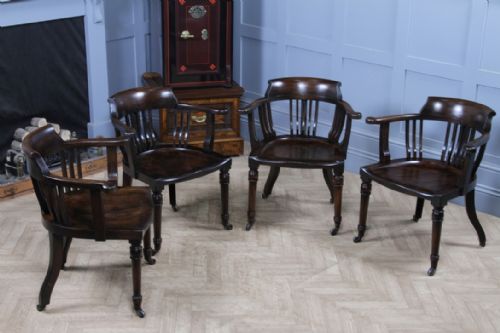
A Captains chair is a sturdy wooden armchair featuring a rounded enclosing back rail supported by small spindles. These seats were traditionally used at desks and tables in offices and libraries.
Versions from the Edwardian period often incorporate comfortable curved armrests and solid oak seats designed for long hours of administrative work.
How do I maintain dark oak furniture?
Dark oak furniture requires regular dusting with a soft, dry cloth to protect the polished surface. Avoiding direct sunlight and maintaining steady room humidity prevents the timber from drying and splitting.
Occasional application of appropriate wax polish nourishes the grain without building up heavy residue. This preserves the deep tone of the wood over decades of use.
What is a tambour front cabinet?
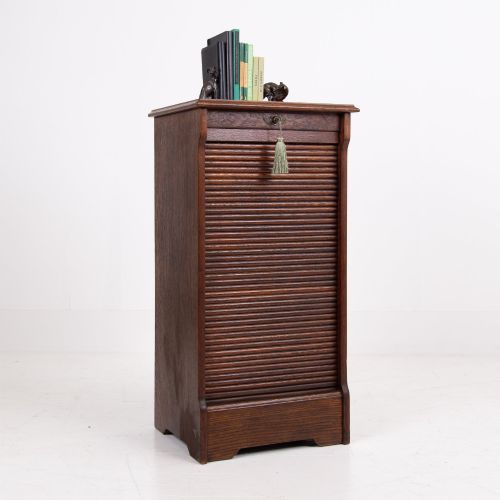
A tambour front cabinet uses slatted wooden strips fixed to a flexible backing fabric to form a rolling door. This clever design slides around the side of the cabinet to save space in crowded offices.
Such cabinets were popular for filing systems and stationery storage during the early twentieth century. They offer secure closure without requiring clearance for swinging doors.