
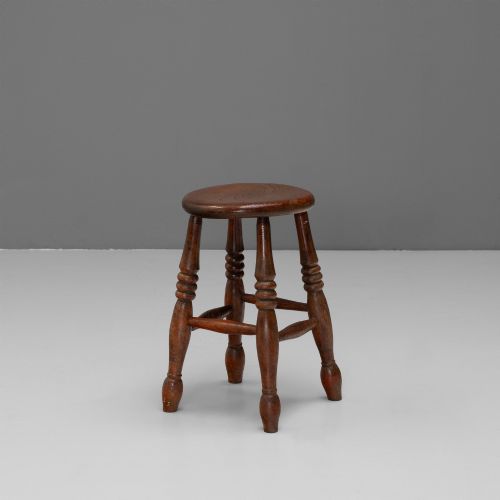
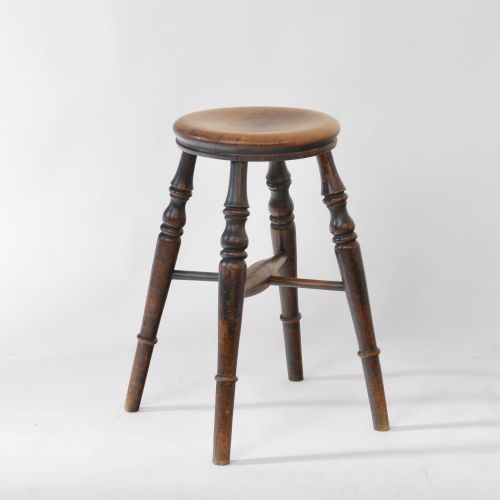
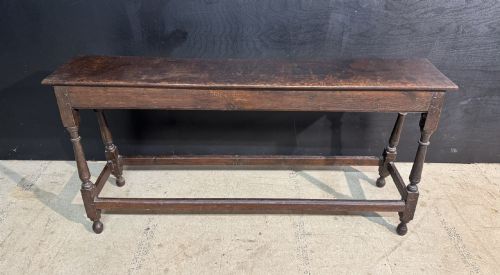
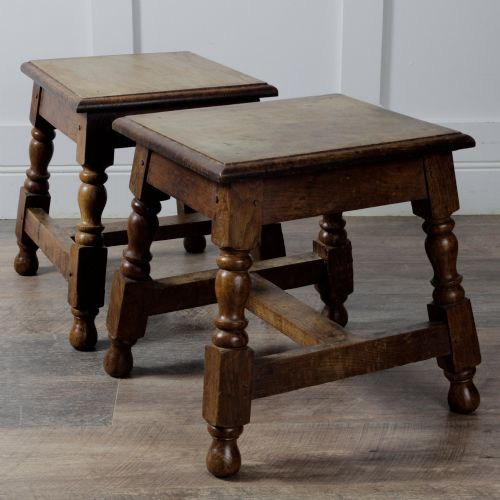
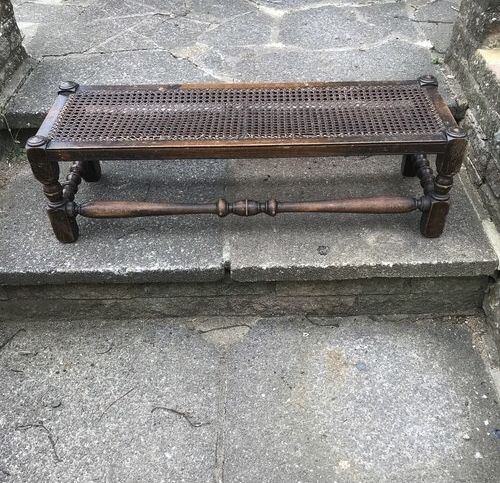
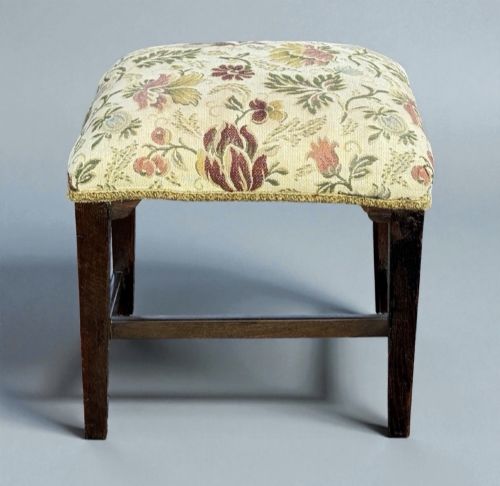
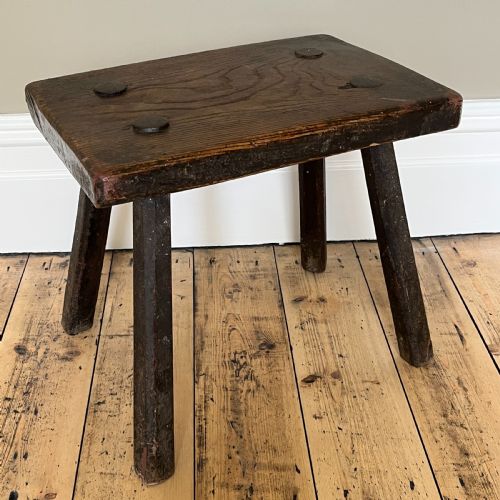

Dark Oak Low Stool
These dark oak low stool selections bring sturdy country character and honest woodwork into a room.
Dark Oak Low Stool
A dark oak low stool is a solid, low-slung seating piece rooted in centuries of vernacular furniture design. When looking for a dark oak low stool, buyers encounter formats ranging from early jointed forms to Arts and Crafts workshop pieces.
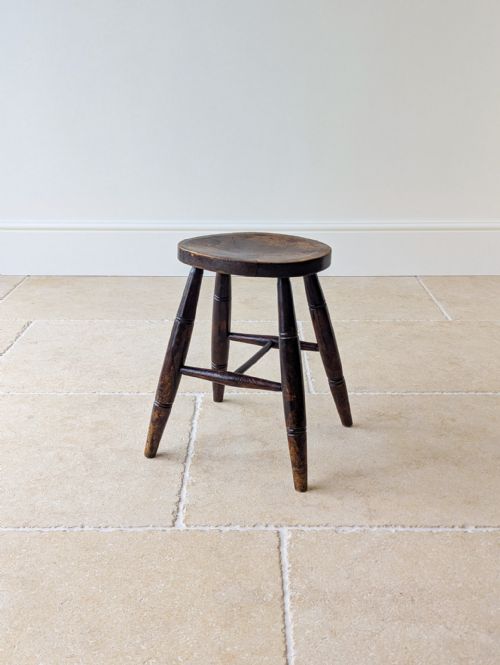
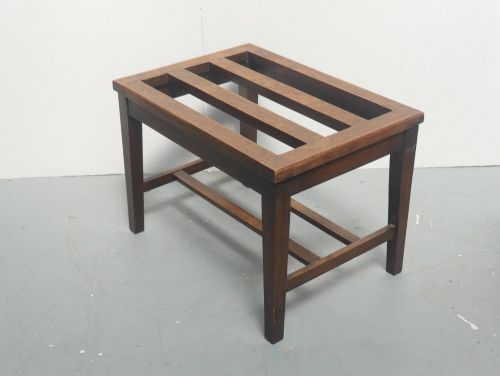
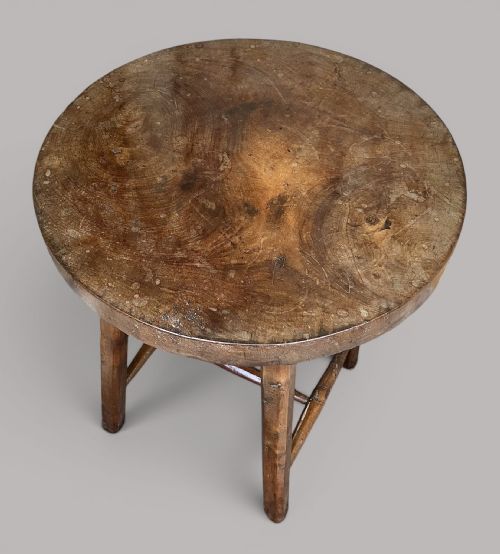
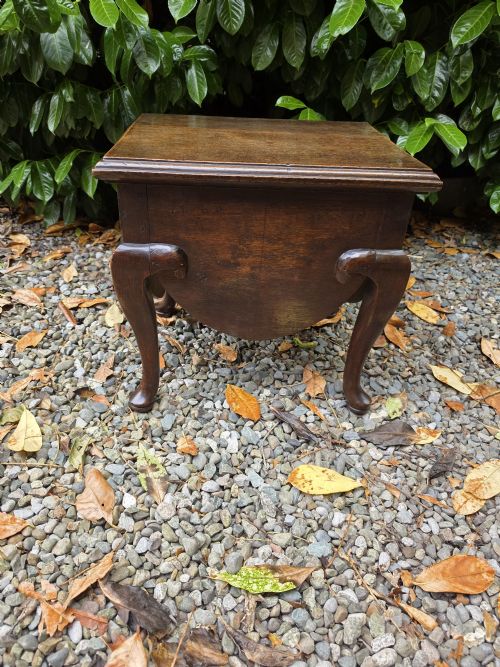
The pieces appearing on this page span several centuries, including 17th Century examples, Georgian periods, and Victorian country interpretations. Forms vary from simple rustic boards on trestles to turned leg designs and low side tables.
Makers and regional carpenters built these items for practical utility in homes, pubs, and workshops. The survival of these low wooden seats shows the enduring appeal of heavy timber construction in domestic interiors.
Materials and construction methods
Makers utilised solid oak alongside supporting timbers such as elm, ash, and hardwood. Joinery methods relied on pegged mortise and tenon joints to build rigid frames capable of handling heavy daily use.
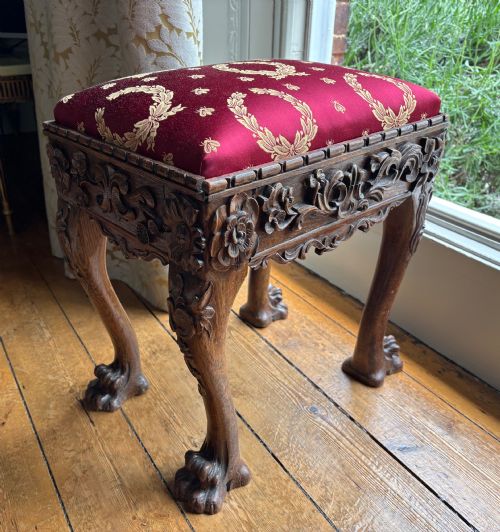
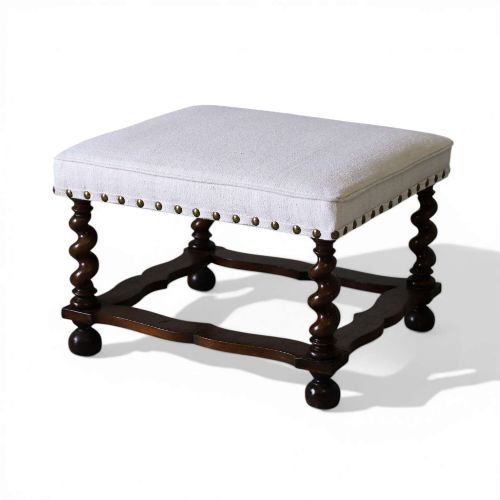
Surfaces often show hand-turned legs, carved edge details, and occasional rush or upholstered seating pads secured with brass elements. The natural grain of the timber receives simple finishing rather than heavy modern lacquers.
Listings feature oak alongside materials such as elm, ash, fabric, leather, brass, and cane.
Assessing quality in early stools
Quality rests in the integrity of the original timber frame and the honesty of the construction. Pieces with minimal replacement wood and tight, unmoved joinery sit at the higher end of the range.
Proportion and carving detail separate utilitarian workshop output from more ambitious vernacular pieces. A well-balanced frame with crisp turned legs or intentional carved motifs commands attention.
Arthur Simpson Of Kendal·Jack Grimble
The Dark Oak Low Stool Glossary
- Joint stool
- A solid wooden stool constructed with mortise and tenon joints pegged together. These pieces often feature rectangular tops and sturdy stretcher bases.
- Turned legs
- Supporting legs shaped on a lathe to create cylindrical, spiral, or barley-sugar profiles. This technique adds decorative flair to an otherwise utilitarian frame.
- Trestle form
- A structural arrangement where the top rests on vertical end supports joined by a central beam. This archaic method provides exceptional stability for low seating.
- Rush seat
- A seating surface woven from dried marsh grasses. This traditional method creates a resilient, textured top common in country furniture.
- Stretcher
- A horizontal wooden brace connecting the legs of a stool to increase structural rigidity. Stretchers also served as a convenient footrest in low seating arrangements.
Dark Oak Low Stool: Frequently Asked Questions
What is a dark oak low stool used for?
These low wooden seats served practical household tasks near hearths or tables. Today they function as casual seating, small side stands, or display surfaces for plants and objects.
Their compact scale allows them to slide easily beneath larger furniture when not in use.
How do I identify a 17th-century joint stool?
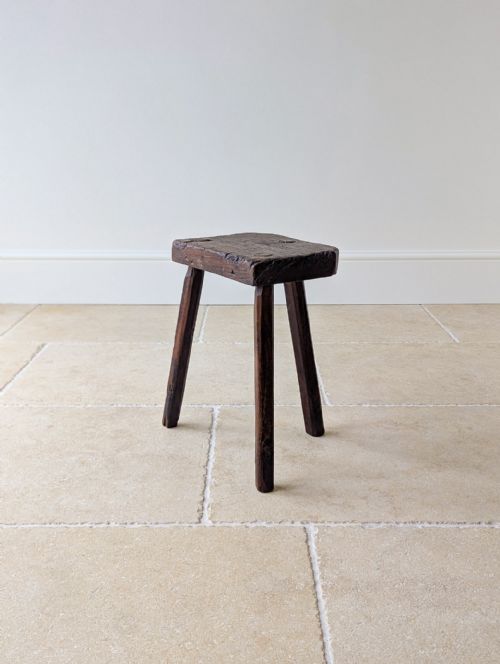
Seventeenth-century examples display heavy solid oak construction with pegged mortise and tenon joinery. They often feature simple boarded tops and straightforward turned or chamfered legs.
Tool marks and deep patination on the timber surface provide further clues to their early origin.
Are these stools comfortable to sit on?
Most historic low stools were built for utility rather than lounging, offering firm wooden platforms or tight woven rush surfaces. Some variations include upholstered pads or hearth cushions for added softness.
Their primary appeal lies in their sculptural presence and historical woodwork rather than plush comfort.
How should I care for antique oak furniture?
Keep wooden stools away from direct heat sources and sudden humidity changes to prevent timber splitting. Regular dusting with a dry cloth and occasional application of appropriate wax maintains the surface finish.
Avoid aggressive liquid polishes that can degrade the historic patina built up over centuries.