
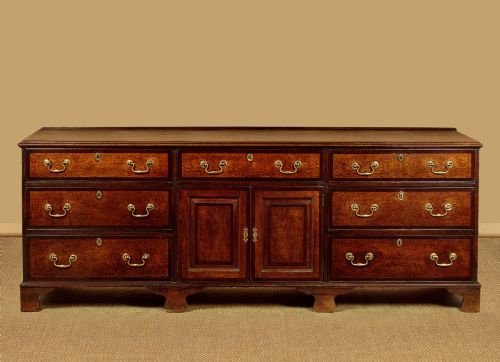
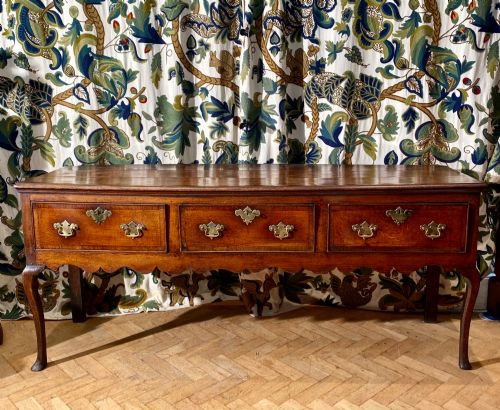
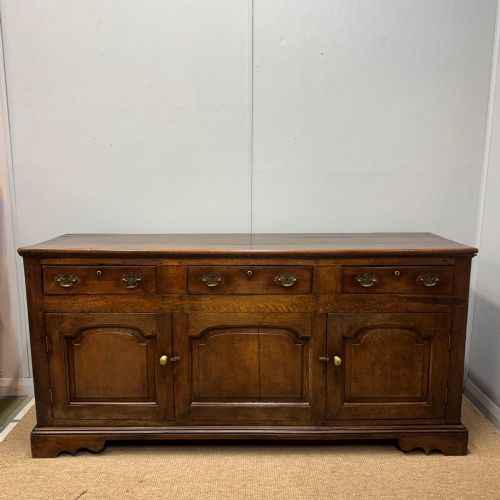
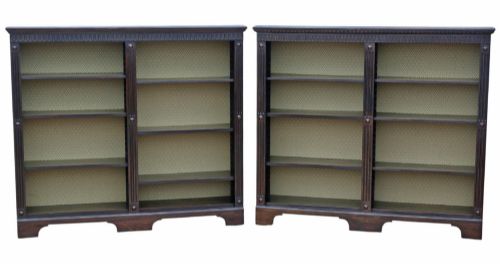
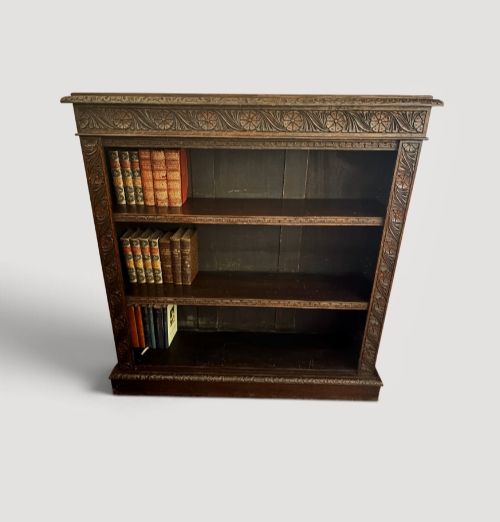
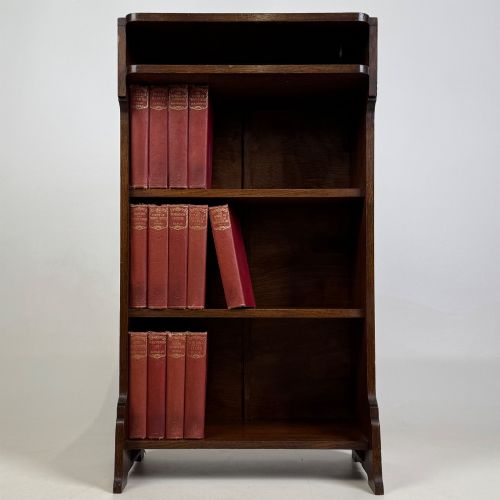
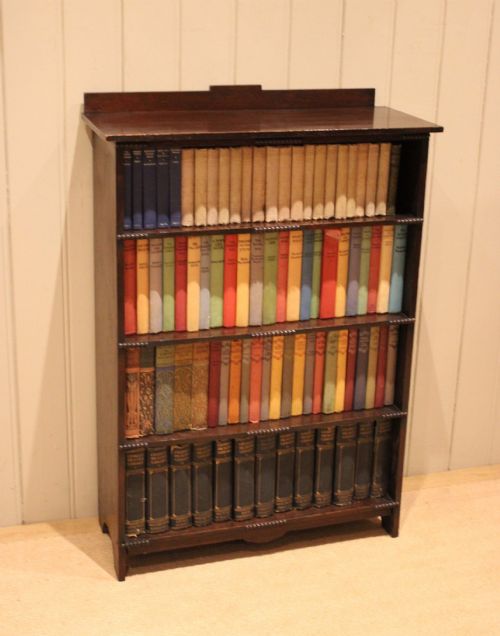
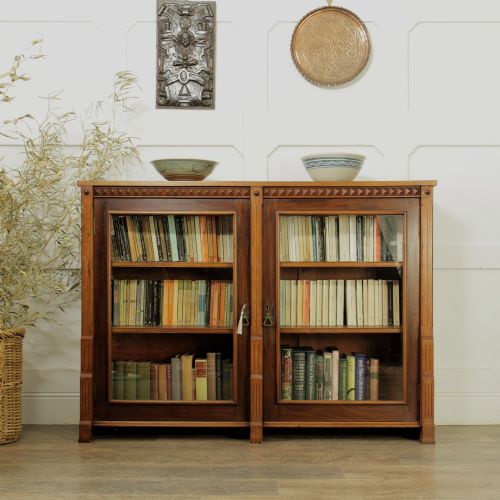
Dark Oak Low Cabinet
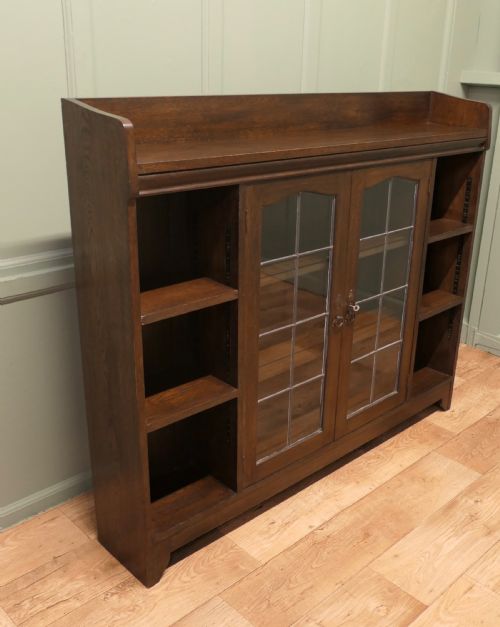
A dark oak low cabinet brings solid wood, deep grain and low-slung utility into a room without dominating the wall space.
Dark Oak Low Cabinet
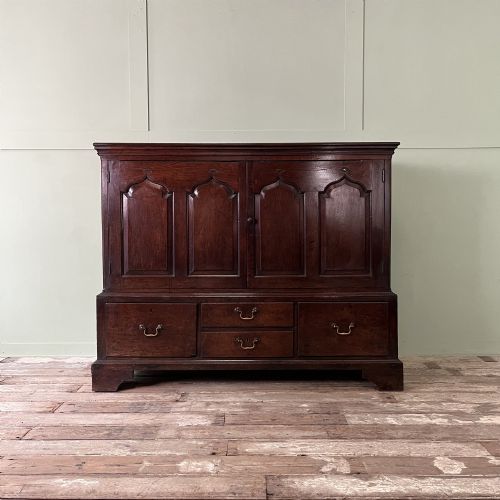
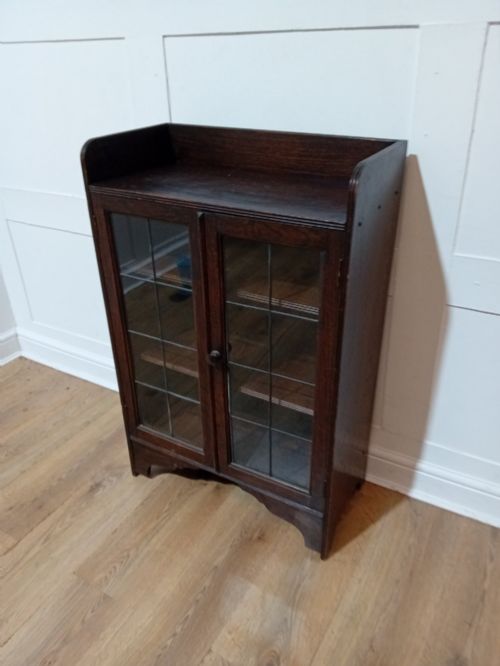
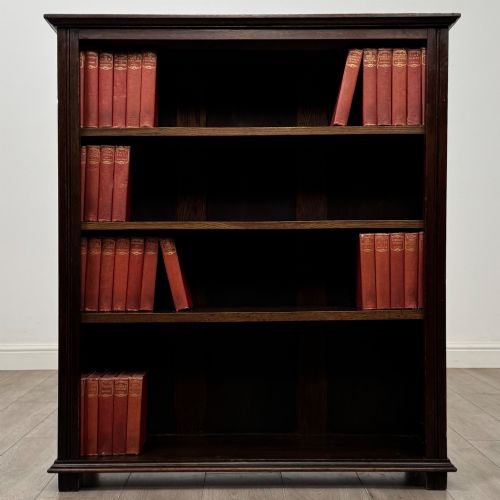
A dark oak low cabinet encompasses a variety of low-profile wooden storage forms, including dresser bases, cupboards and dwarf bookcases. When searching for a dark oak low cabinet, buyers typically encounter sturdy furniture dating from the eighteenth century through to the interwar period.
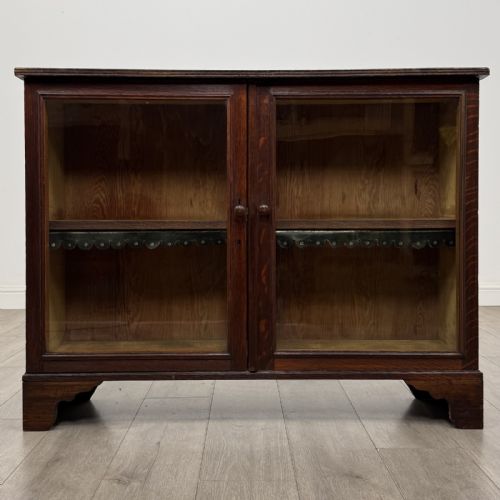
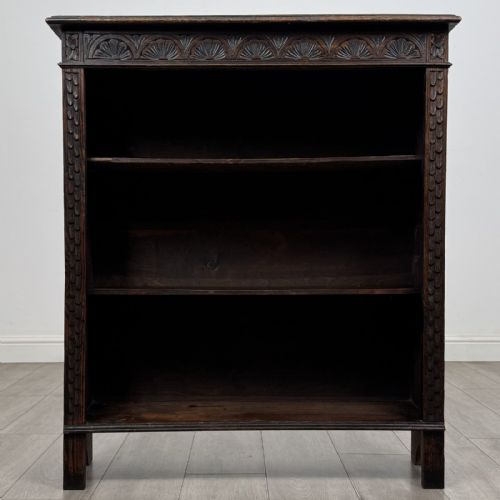
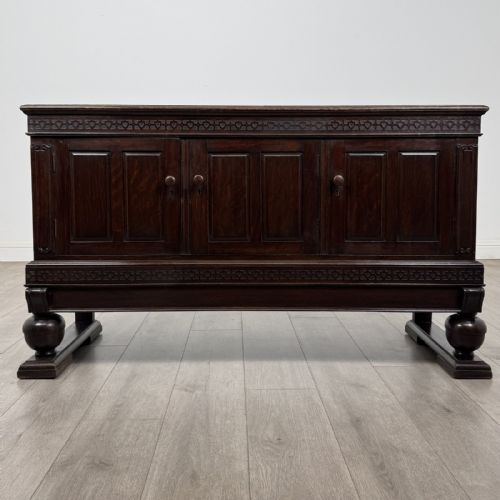
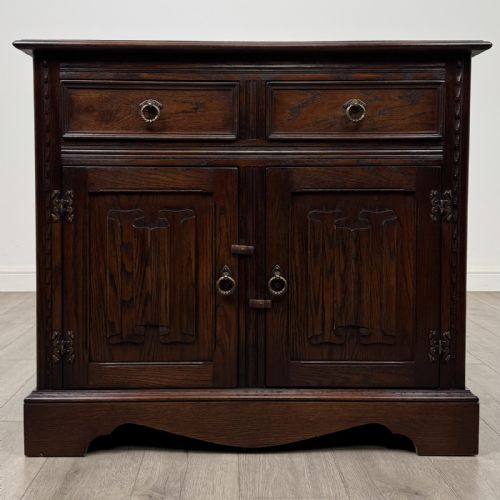
The assortment on this page includes vernacular vernacular forms alongside revived styles such as Jacobean, Tudor, Gothic and Arts and Crafts. These pieces function variously as sideboards, display cabinets and low bookcases, united by their durable timber construction and horizontal proportions.
How they were made
Makers utilised solid oak alongside secondary timbers like elm, building carcases that often feature carved details, linenfold panels or beaded edges. Brass handles, glass doors, lead and iron fittings appear across the periods, from early Georgian dresser bases to later twentieth-century production.
Construction methods range from traditional pegged joints in eighteenth-century pieces to simpler joinery in Edwardian and 1930s cabinets. Surfaces are finished to highlight the dark grain of the oak, sometimes incorporating applied carvings or glazed panels.
Listings span periods from the 18th Century through Georgian, Victorian, Edwardian and the 1930s.
What varies in quality
The standard of a piece depends on the crispness of its carving, the selection of the oak timber and the integrity of its original construction. Finer examples display thoughtful proportion, well-figured grain and period-appropriate brass or iron hardware.
Later revival pieces and twentieth-century cabinets vary according to the weight of the solid oak used and the precision of the joinery. Simpler utility cupboards contrast with elaborately carved Victorian or Gothic Revival forms, where the depth and execution of the ornamentation dictate the tier.
Bowman Brothers London·Ercol·Liberty
The Dark Oak Low Cabinet Glossary
- Dresser base
- A low wooden sideboard or table fitted with drawers and cupboards underneath, commonly originating from the Georgian and eighteenth-century periods.
- Linenfold
- A style of carved wooden panelling that resembles folded vertical strips of cloth, frequently seen on Tudor and revival cupboard doors.
- Green Man
- A decorative architectural motif depicting a face carved from leaves and foliage, popular on Victorian and nineteenth-century carved oak furniture.
- Breakfront
- A piece of furniture featuring a central section that projects forward from the flanking cabinets or shelving bays.
Dark Oak Low Cabinet: Frequently Asked Questions
What is a dark oak low cabinet used for?
These low wooden units serve multiple purposes around the home, functioning as sideboards in dining areas, low bookcases in studies, or general storage cupboards in living spaces.
Their reduced height allows them to sit beneath windows or display decorative objects on top while keeping books and household items enclosed below.
How do I date a dark oak cabinet?
Dating relies on observing construction techniques, hardware, and stylistic details such as linenfold carving or Gothic Revival elements. Eighteenth-century and Georgian pieces typically show hand-cut joinery and pegged joints, whereas Edwardian and 1930s examples often employ machine-made elements and sliding glass doors.
Period markers like brass handles and secondary woods such as elm help narrow down the decade of manufacture.
Are these cabinets made of solid oak?
The listings on this page consist primarily of oak construction, supplemented occasionally by secondary timbers like elm for internal elements. Surfaces display the distinctive grain of the wood, often darkened through finishing techniques or age.
Hardware components incorporate brass, glass, lead and iron depending on the specific period and function.
How do I style a low oak cabinet in a modern room?
A low wooden cabinet grounds a room by introducing heavy texture and a dark horizontal line against lighter walls. You can place ceramic lamps, books or framed artwork on the top surface while utilising the internal shelving or cupboards for concealed storage.
Their compact height ensures they do not overwhelm smaller spaces.