


Dark Oak Document Chest
These dark oak document chest pieces are solid timber containers built to secure precious papers, and holding one connects you directly to centuries of domestic administration.
Dark Oak Document Chest
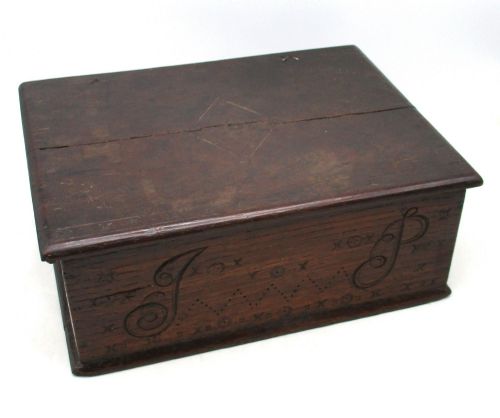
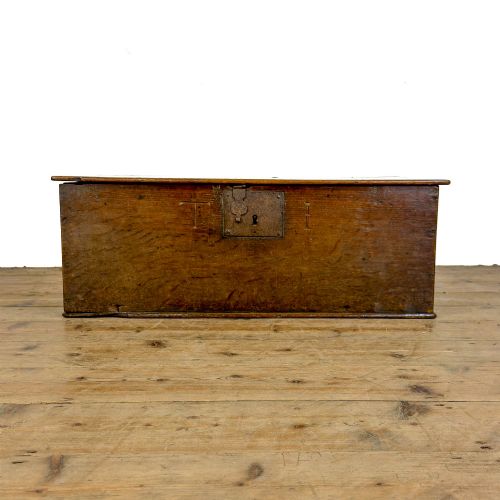
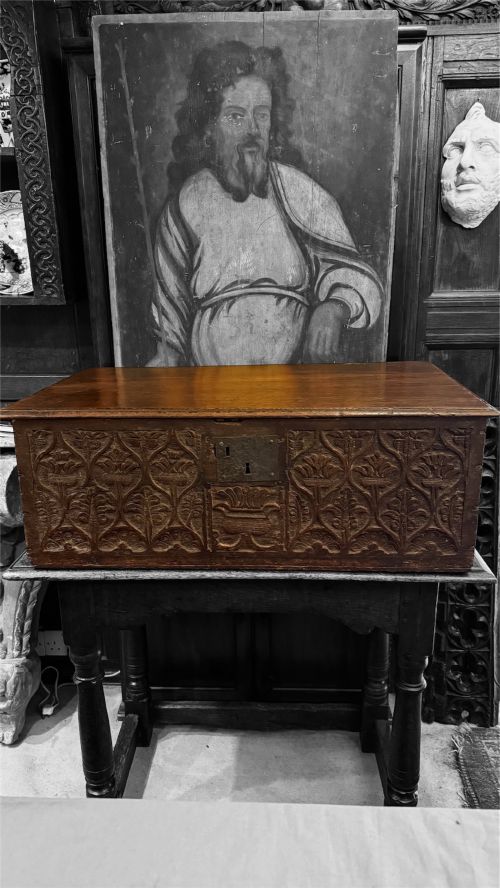
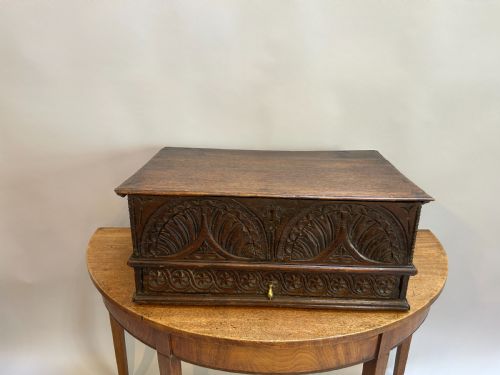
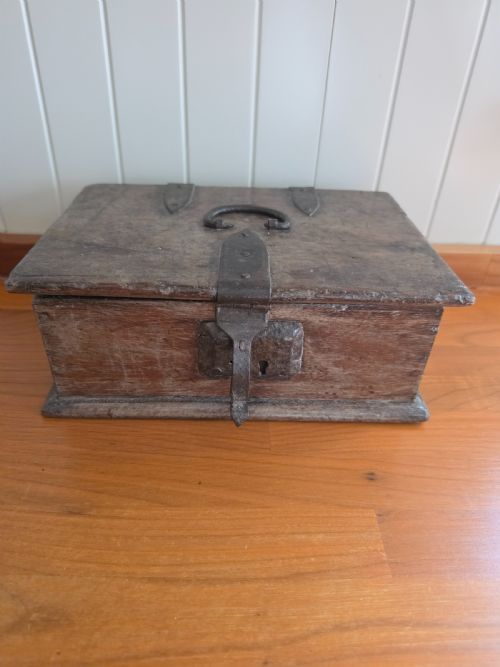
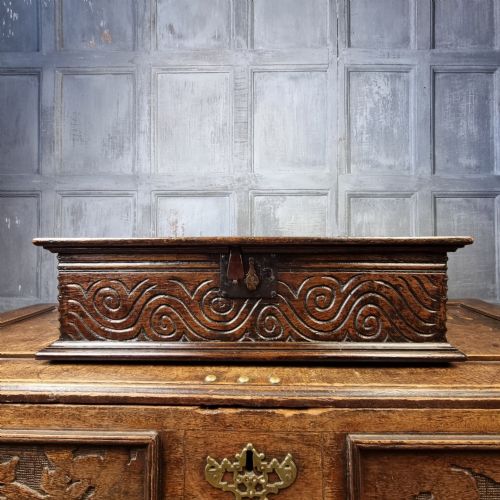
A dark oak document chest encompasses sturdy table boxes, bible boxes, and deed boxes designed for secure storage. Most examples you will encounter date from the seventeenth and eighteenth centuries, reflecting an era when papers required heavy timber protection.
These forms frequently overlap with desk boxes and slant front boxes intended for writing. Surviving pieces range from plain utilitarian boxes to carved examples featuring internal drawers and complex steel locks.
Factors influencing quality
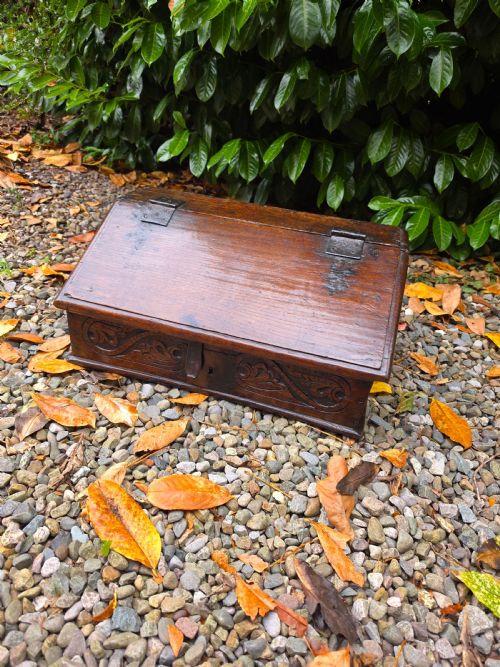
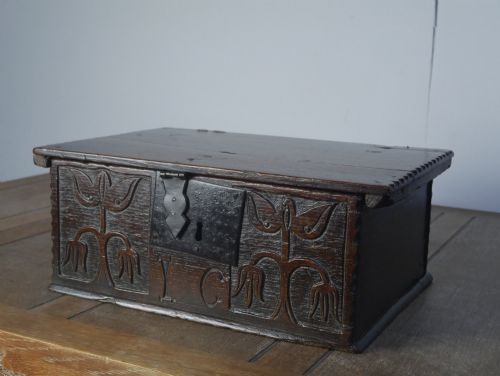
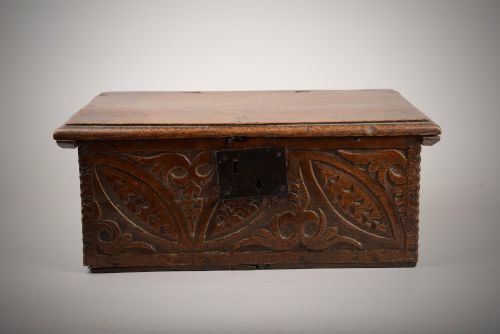
Quality rests heavily on the depth and execution of period carving, such as chip carving or carved friezes. Finer pieces demonstrate superior joinery and retain original internal drawers or complex steel locks.
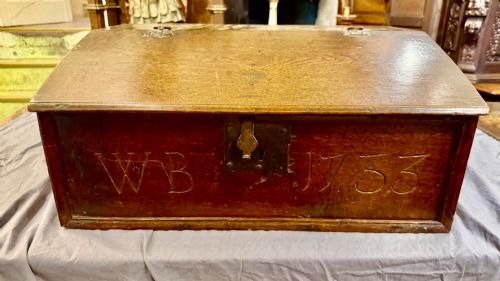
The presence of documented provenance or dated inscriptions elevates certain boxes above standard utilitarian containers. Original surfaces and untouched timber patination also distinguish superior examples.
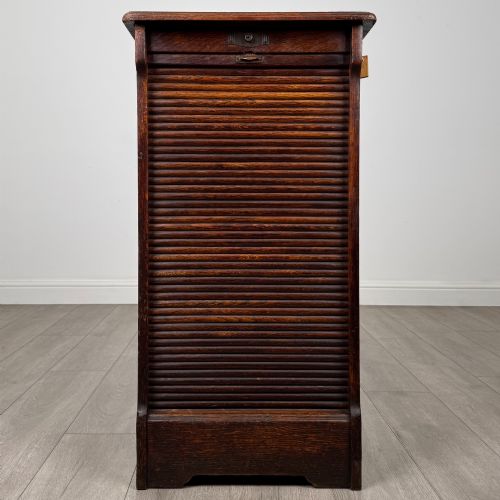
One twenty-century filing cabinet proves that even paperwork management once demanded respectable solid oak joinery.
The Dark Oak Document Chest Glossary
- Bible Box
- A small tabletop chest originally intended to store a family bible or important documents. These typically feature sloping or flat hinged lids.
- Deed Box
- A secure container built specifically for holding legal papers, land indentations, and valuable certificates. They often include internal compartments for organisation.
- Chip Carving
- A decorative technique where small chips are removed from the surface of the timber to create geometric patterns. This method appears frequently on seventeenth century Welsh and English boxes.
- Tambour Cabinet
- A piece featuring a sliding door made of narrow strips of wood glued to a canvas backing. This mechanism allows access to internal filing compartments in twentieth century variants.
- Cartouche
- An ornamental tablet or panel frame, often carved into the front of early boxes to display initials or dates. It serves both decorative and commemorative purposes.
Dark Oak Document Chest: Frequently Asked Questions
What is a dark oak document chest used for?
These boxes served historical households as secure repositories for deeds, bibles, correspondence, and valuables. Today they function practically as desktop storage or decorative accent pieces.
Their compact proportions allow them to sit comfortably on side tables, desks, or chests of drawers while concealing modern clutter inside.
How do I date a seventeenth century box?
Dating relies on examining construction marks, hinges, lock mechanisms, and carving styles typical of the period. Tool marks left by saws and chisels provide clues regarding the period of manufacture.
Carved dates or initials carved directly into the oak panels also offer a reliable indicator of the exact year of creation.
Are these chests heavy?
Solid seventeenth and eighteenth century oak construction results in considerable weight for the size of the box. The inclusion of iron or steel locks and strap hinges adds further heft.
While travelling strong boxes were built for transport, most stationary table boxes remain solid and substantial timber items.
How do I maintain the timber surface?
Preserving the finish requires avoiding direct sunlight and maintaining stable room humidity to prevent the oak from drying out. Occasional applications of traditional wax help nourish the historic wood.
Harsh chemical cleaners should be avoided entirely to protect the natural patinated surface built up over centuries.