


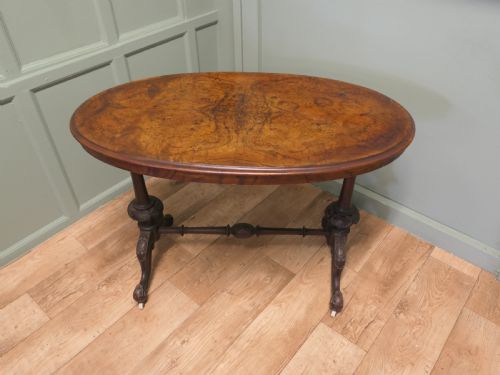
Dark Mahogany Display Table
A dark mahogany display table holds valuables under glass, combining timber warmth with clear presentation across Edwardian and Victorian forms.
Dark Mahogany Display Table
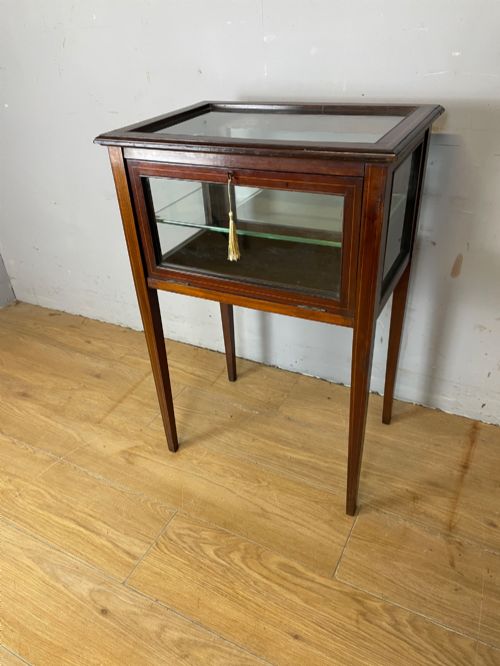
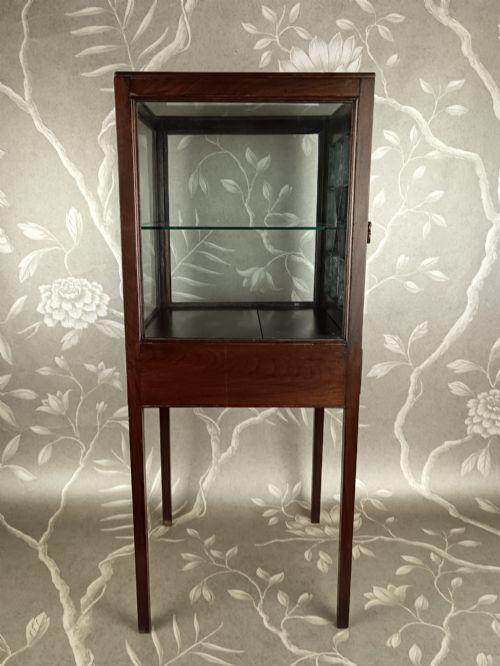
When you search for a dark mahogany display table, you encounter furniture designed to showcase small possessions beneath glass tops or within glazed cabinets. These items primarily date from the Georgian, Victorian, and Edwardian periods, reflecting the shifting domestic tastes for displaying curiosities.
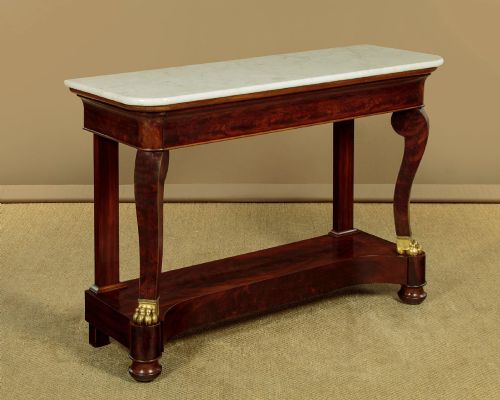
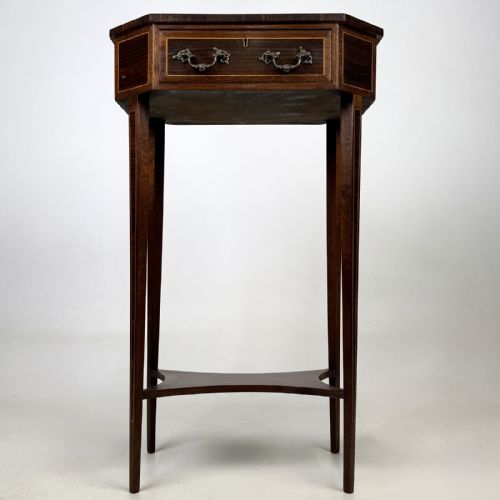
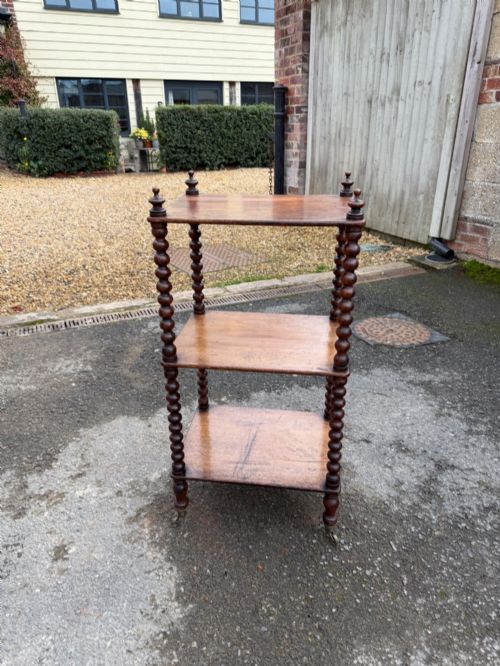
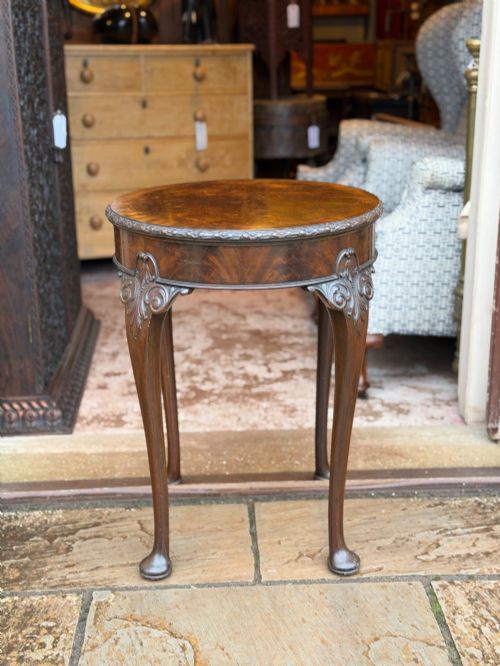
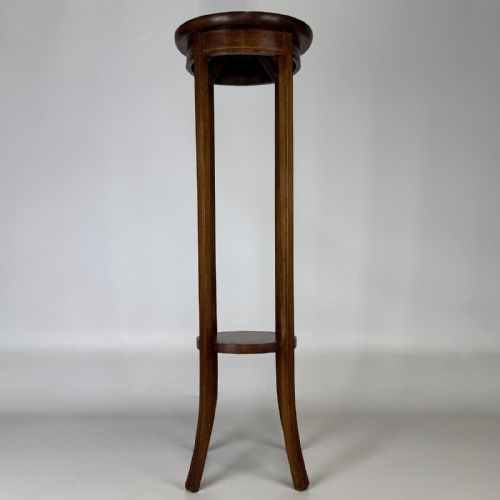
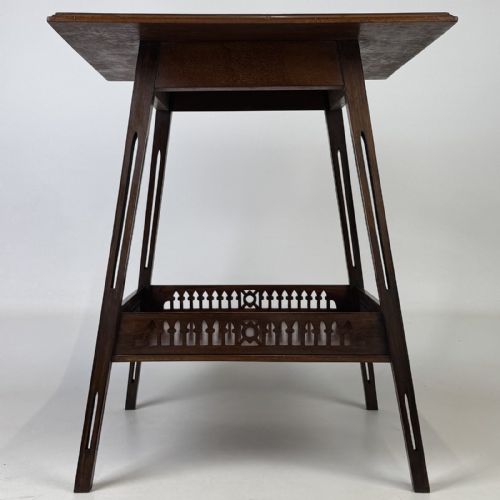
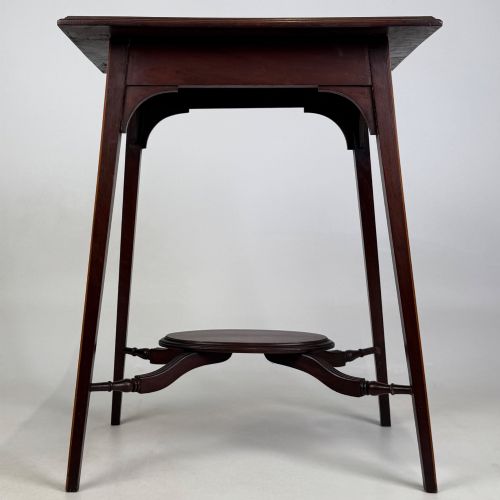
The pieces appearing most frequently take the form of bijouterie tables, occasional tables with glazed compartments, or vitrine cabinets. Alongside these, related forms such as whatnots, side tables, and plant stands share the same rich timber tones.
Origins span British workshops as well as continental and Chinese export traditions, though the dominant aesthetic relies on deep reddish-brown hardwood. Each piece serves the dual purpose of a functional surface and a secure vitrine for precious objects.
How they were made
Cabinet makers constructed these pieces using dense tropical timber, frequently framing the primary carcase in solid mahogany while incorporating fine veneers like satinwood for contrast. Glass panels were glazed into hinged or fitted tops to protect the contents while maintaining visibility.
Secondary structural elements often included cast brass hinges, locks, and handles, alongside subtle stringing and marquetry inlay. Joinery techniques relied on traditional hand-cut joints, ensuring stability for both the glazed display areas and the supporting legs.
Dark Mahogany Display Table Retail Price Guide 2026
Typical asking prices for dark mahogany display table among the pieces listed under this phrase on Sellingantiques today, from the lower quarter to the upper quarter. They describe what is for sale here now, not the wider market.
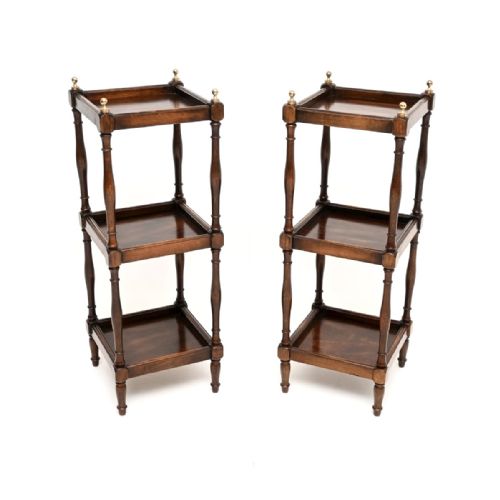
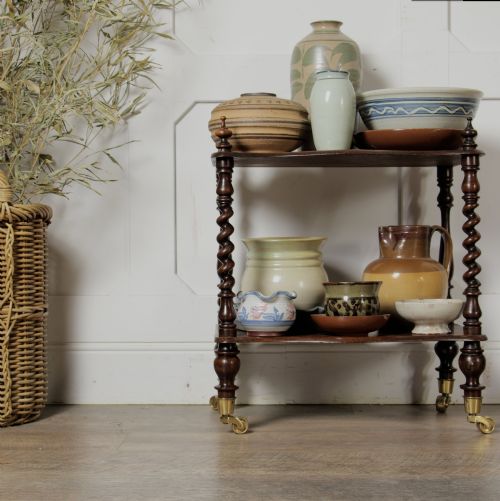
Display furniture on this site ranges from low bijouterie tables to tall multi-tiered étagères.
What varies in quality
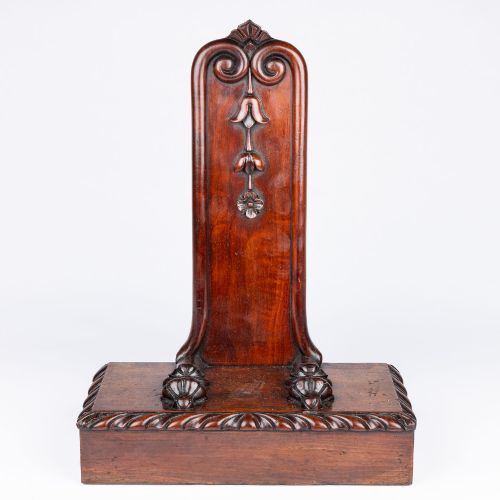
The distinction between standard domestic pieces and finer examples rests on the selection of timber and the precision of the cabinet work. Superior tables display carefully chosen grain patterns, crisp carved detailing, and well-fitted internal compartments.
Hardware and secondary materials also indicate grade, with substantial cast brass mounts and original bevelled glass marking out the better productions. Inferior examples rely on simpler construction and repetitive machine cutting rather than considered hand-finishing.
Liberty and Co·G.H.& F.W. Bravington London
The Dark Mahogany Display Table Glossary
- Bijouterie table
- A low display table with a glazed top and compartment designed specifically for holding small valuable trinkets and jewellery. These pieces became particularly popular during the Edwardian era.
- Vitrine
- An enclosed glass-fronted or glass-topped cabinet used for displaying porcelain, silver, and curiosities. The term derives from the French word for glass.
- Whatnot
- An open set of tiered shelves used for displaying ornaments and small objects. They developed in the 18th century and remained common through the Victorian period.
- Marquetry
- Decorative veneer work forming pictures or geometric patterns by assembling thin pieces of wood. Makers utilised contrasting timbers like satinwood against mahogany grounds.
- Étagère
- A piece of furniture consisting of a set of open shelves for holding small objects. They are typically freestanding and multi-tiered.
Dark Mahogany Display Table: Frequently Asked Questions
What is a dark mahogany display table?
A dark mahogany display table is a piece of furniture featuring a glazed compartment or top designed to exhibit small items like silver, coins, and jewellery.
These tables combine the rich, deep colour of polished hardwood with clear viewing surfaces, serving as both useful tables and personal showcases.
How do I date a display table?
Dating relies on examining the construction methods, timber selection, and stylistic details such as Edwardian inlaid stringing or Victorian carved embellishments.
Secondary woods, types of glass, and hardware fastenings also provide clear indicators of whether a piece originates from the 18th, 19th, or early 20th century.
Were these tables used for dining?
Display tables with glass compartments were not used for serving food, as their primary function was the presentation of decorative objects and collections.
Other forms like silver tables or tea stands handled dining and hospitality duties, whereas bijouterie versions remained strictly ornamental.
How should I care for mahogany timber?
Mahogany requires stable room temperatures and protection from direct sunlight to prevent the deep reddish-brown colour from fading over time.
Regular dusting with a soft, dry cloth maintains the finish without the need for heavy modern silicones or abrasive polishes.
Can I store heavy items inside?
These tables are built for lightweight curiosities, medals, and small silver pieces rather than heavy books or dense ceramics.
Overloading the internal velvet-lined trays or stressing the glass panels can damage the delicate internal framing and historical hinges.