


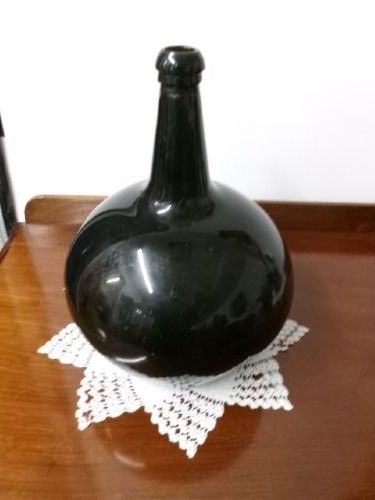
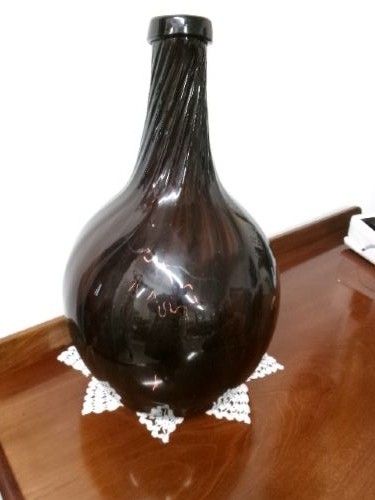
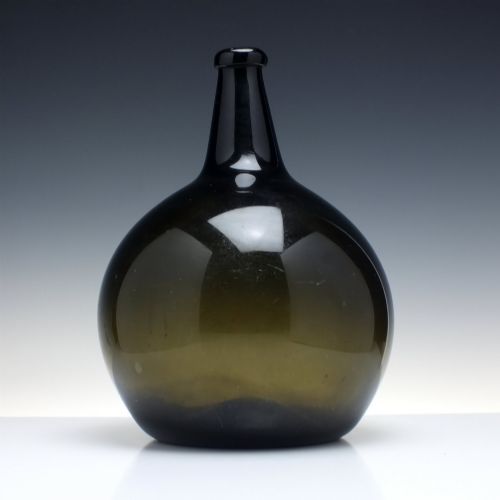
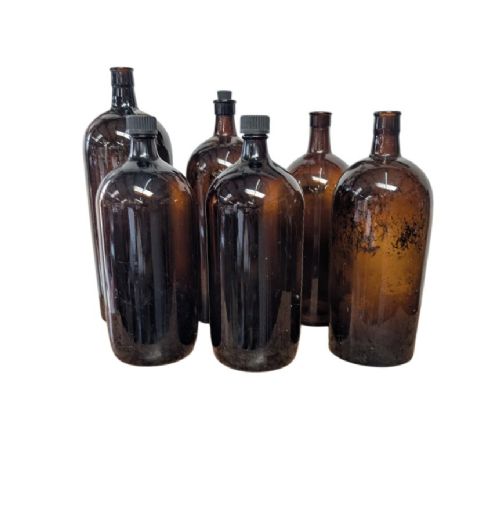



Dark Glass Bottle
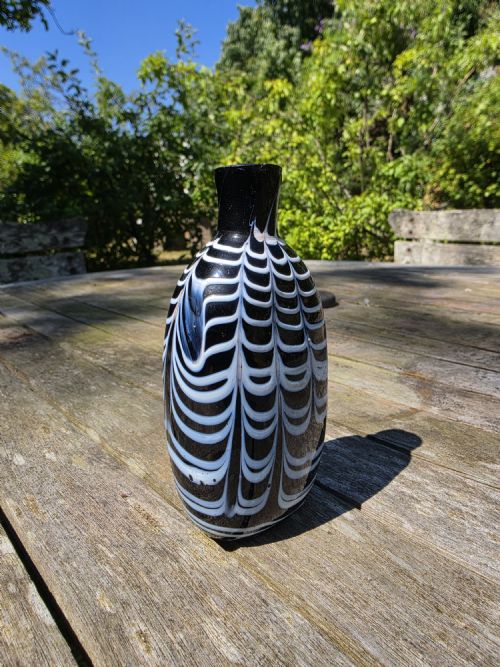
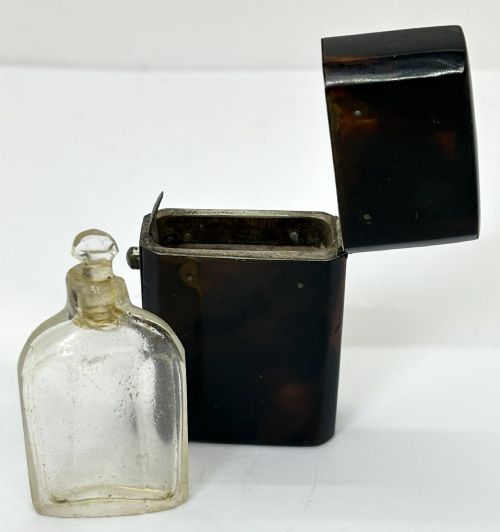
These dark glass bottle examples range from early hand-blown wine vessels to fitted apothecary chests, offering deep tones and heavy substance.
Dark Glass Bottle
A dark glass bottle search uncovers a diverse array of utilitarian and decorative vessels spanning the eighteenth and nineteenth centuries. Buyers frequently encounter heavy wine flagons, apothecary jars, and pocket flasks alongside fitted mahogany or oak presentation cases.
Many examples originate from the Georgian and Victorian eras, taking forms such as cylindrical wine bottles, French carboys, and folk art whimsies. These items served functional roles in medicine, dining, and storage before becoming sought-after display objects.
The selection also includes tantalus decanters and scent bottle holders that combine dark glass with brass, coromandel, and silver plating. Each piece demonstrates the robust industrial and domestic requirements of its period.
How they were made
The primary material is glass, frequently formed through hand-blown and blown-glass techniques that yield thick walls, irregular bubbles, and deep amber, green, or black hues. This process created sturdy vessels designed to protect contents from light.
Enclosing these glass containers, secondary materials such as mahogany, oak, and coromandel provide structural housing for apothecary boxes and tantalus sets. Brass mounts, thread, and silver plating complete the hardware and decorative detailing.
Dark Glass Bottle Retail Price Guide 2026
Typical asking prices for dark glass bottle among the pieces listed under this phrase on Sellingantiques today, from the lower quarter to the upper quarter. They describe what is for sale here now, not the wider market.
A Welsh folk art ship manages to sail permanently inside its glass bottle without ever catching a breeze.
What varies in quality
Quality rests in the integrity of the glass mass, the depth of colour, and the presence of original hand-formed pontil marks on the base. Superior examples retain their original stoppers, enclosures, and fitted wooden interiors without replacement elements.
The sophistication of the accompanying cabinetry, particularly in inlaid mahogany apothecary chests and bronze-cased ecclesiastical holders, elevates the overall standing of the object. Finer pieces show precise joinery, intact metalwork, and well-preserved surface patination.
The Dark Glass Bottle Glossary
- Pontil mark
- The rough scar left on the base of a hand-blown glass vessel where the pontil rod was snapped off after shaping. Its presence confirms traditional mouth-blown manufacture.
- Carboy
- A large, globular glass bottle traditionally used for holding liquids safely in bulk. They often appear in eighteenth and nineteenth-century French contexts.
- Tantalus
- A locking wooden stand that holds decanters securely to prevent unauthorised access to the contents. They are typically encountered in oak or coromandel with metal locking bars.
- Whimsey
- A decorative folk art object created by artisans or sailors during their off-hours, often incorporating carved wood and glass bottles. Examples include Prisoner of War pieces.
- Cylinder wine bottle
- A deep-toned glass bottle shape developed in the eighteenth century for storage and ageing. These vessels have heavy walls and characteristic pushed-in bases.
Dark Glass Bottle: Frequently Asked Questions
What were dark glass bottles used for originally?
These vessels originally served to store, transport, and preserve wine, spirits, and medicinal preparations. Dark glass protected sensitive contents from light degradation.
Over time, many of these durable containers transitioned into domestic displays, barware sets, and folk art showcases.
How do I date an old glass bottle?
Dating relies on observing manufacturing traits such as pontil marks, glass thickness, bottle shape, and colour depth. Eighteenth-century examples often display deeper colour saturation and heavy kick-up bases.
Context is further provided when bottles remain inside dated enclosures like Georgian medicine cabinets or fitted wooden carriers.
Are apothecary boxes difficult to maintain?
These wooden chests require stable room humidity and gentle dusting to preserve the timber and any internal brass fittings. Regular conditioning prevents the mahogany or oak from drying out.
The glass bottles inside simply need careful washing with warm water when necessary, avoiding harsh chemicals that might damage aged surfaces.
What is a tantalus decanter set?
A tantalus is a locking cabinet frame designed to hold several decanters of dark glass securely in place. The mechanism prevents guests from pouring drinks without the key.
These sets emerged during the Victorian period and frequently utilise oak, coromandel, and silver-plated hardware.