



Dark Framed Still Life
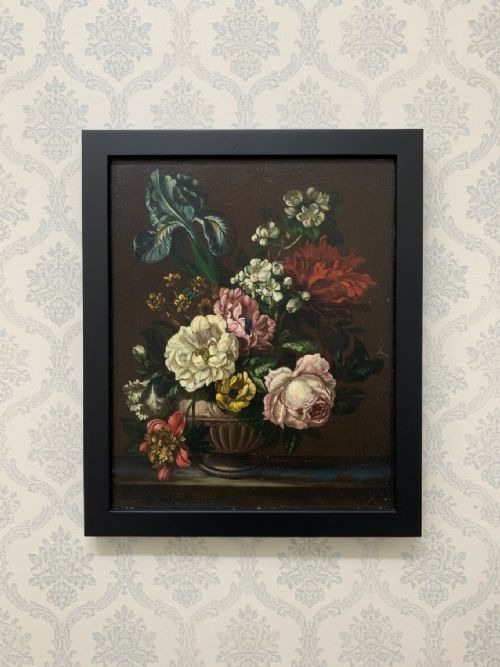
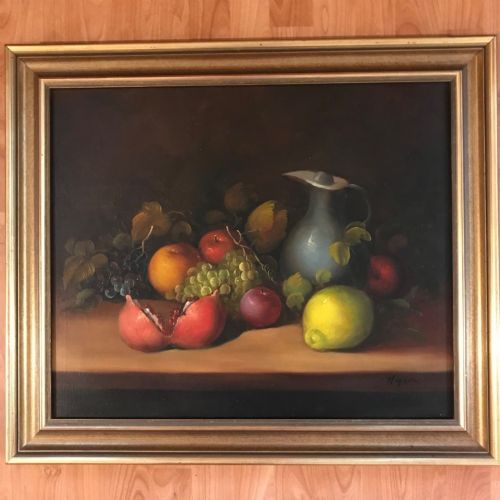
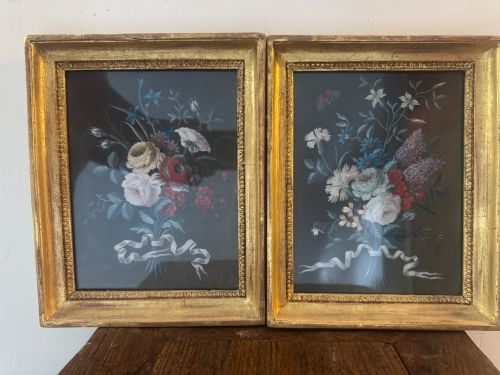
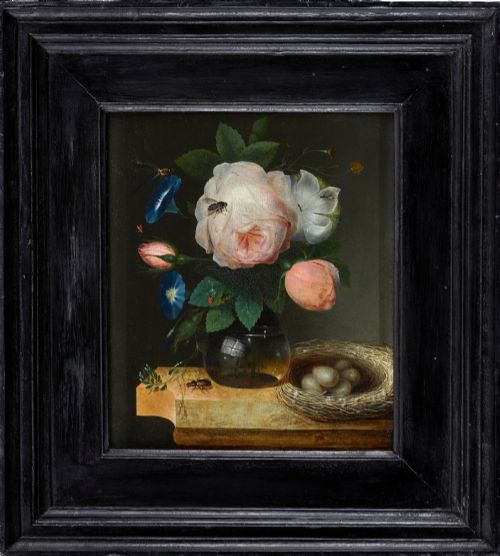
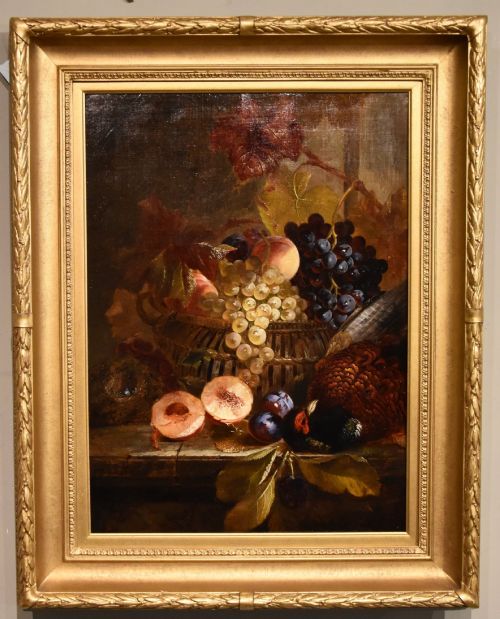
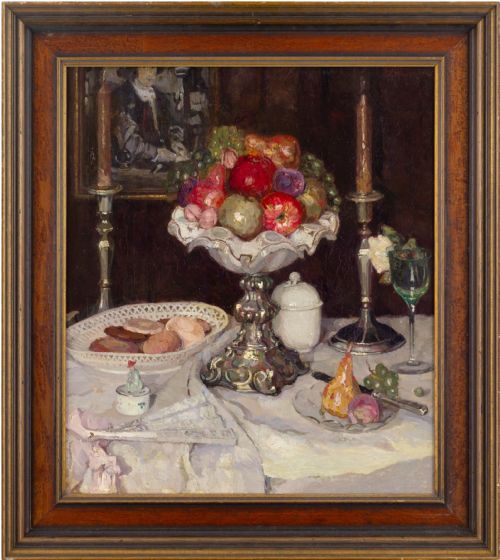
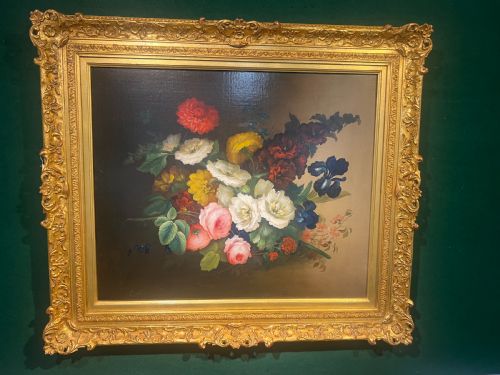
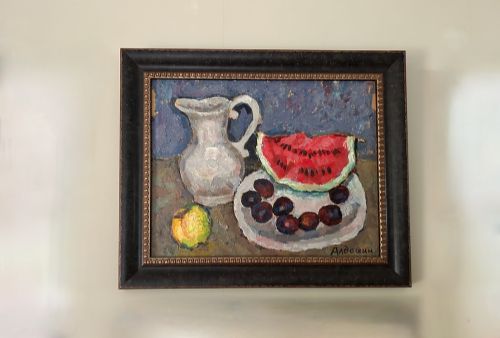
These dark framed still life pieces span centuries of oil paint and canvas, offering rich fruit and floral arrangements inside period wooden surrounds.
Dark Framed Still Life
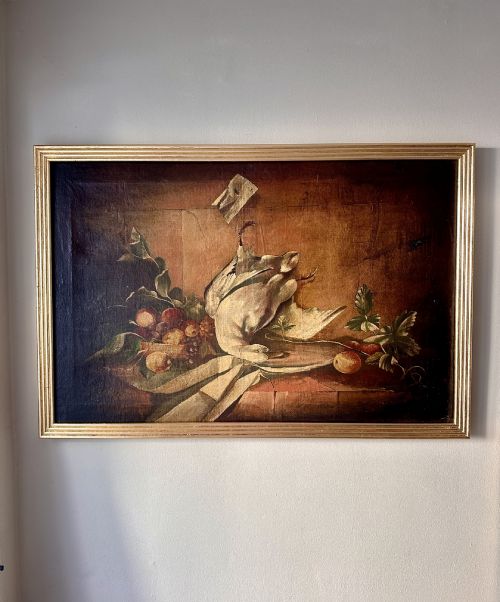
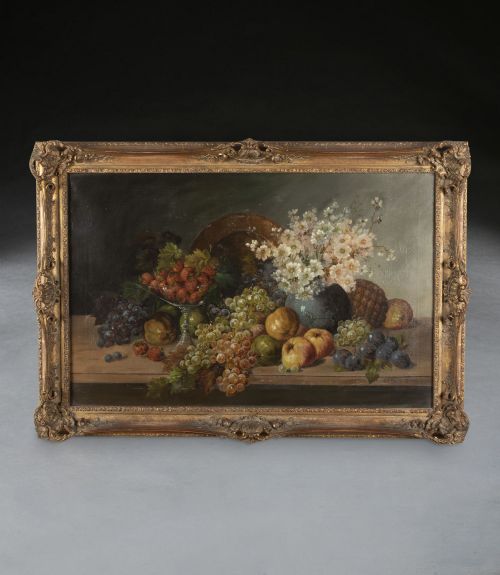
When searching for a dark framed still life, buyers encounter compositions of fruit, flowers, and game rendered in oil and gouache. These works originate from periods ranging from the seventeenth century through to the mid-twentieth century.
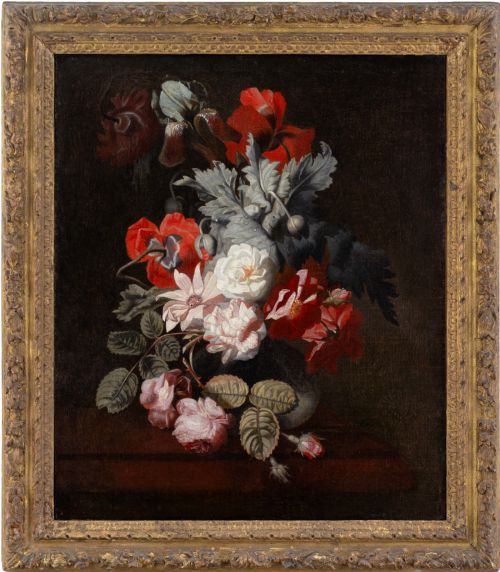
The selections available here lean heavily toward nineteenth century examples alongside seventeenth century Dutch school compositions. Canvases and wood panels show subjects housed within wood and giltwood surrounds.
Forms vary from large continental canvases to miniature floral studies. British impressionism and Victorian realism appear alongside Baroque and classical styles.
How they were made
Artists applied oil paint and gouache onto stretched canvas, wood panels, and oak boards. Support materials determined how the pigments aged and how brushwork settled across the surface.
Surrounds utilise solid wood, giltwood, and gold leaf applications. These heavy frames match the dark aesthetic of the central painted compositions.
Listings span from the seventeenth century through to the mid-twentieth century, featuring canvas, wood, and oil paint.
What varies in quality
Quality rests in the handling of light across fruit, glass, and petals. Masterful brushwork achieves depth in shadows while lesser works remain flat.
The integrity of the panel or canvas and the preservation of the original framing elements determine the physical condition of the piece.
Gaspar Peeter Verbruggen·William Henry Ward·Else Preußner·Edwin Steele·Vladimir Aldoshin·William Thomas Wood·Frans Snyders·Owen Bowen·Simon Pietersz Verelst·George Lance·Paul Lelong·Niels Wiwel·Pieter Claesz·James Stuart Park·John Robertson Reid
The Dark Framed Still Life Glossary
- Oil paint
- Pigment mixed with a drying oil, typically linseed, used on canvas or wood panels. This medium allows for subtle blending and rich tonal depth.
- Giltwood
- Wood carved and covered with thin gold leaf or gilt composition. It forms the decorative border around many period canvases.
- Vanitas
- An artistic motif using symbols like skulls or rotting fruit to remind viewers of the transience of life. These subjects appear frequently in seventeenth century works.
- Gouache
- An opaque water-based paint used on paper or panel. It creates flat fields of vibrant colour distinct from translucent oil applications.
Dark Framed Still Life: Frequently Asked Questions
How do I identify a seventeenth century work?
Examine the preparation of the canvas or wood panel along with the pigments used. Seventeenth century pieces often display specific dark tonal palettes associated with the Dutch school.
Subject matter such as vanitas symbols or game pieces also points toward this early period of production.
What surfaces were used for these paintings?
Artists utilised stretched canvas, oak panels, and solid wood boards. The choice of support often relates to the period and regional school of the painter.
Panel paintings tend to appear in earlier continental works while canvas dominates later nineteenth century examples.
How should I hang a dark framed piece?
Ensure the wall hooks support the substantial weight of the timber and giltwood surrounds. These heavy borders require secure fixings to prevent slipping.
Position the work away from direct sunlight to protect the oil pigments and sensitive varnishes from fading.
What do floral still lifes represent?
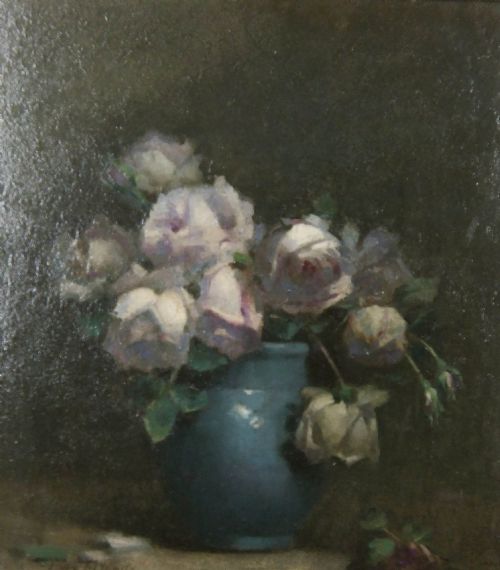
Floral compositions capture transient beauty by depicting blooms at various stages of openness. Painters arranged roses and summer flowers to study light and colour.
These arrangements reflect the botanical interests and decorative tastes of their respective historical periods.