



Dark Brown Wooden Bar
These pieces sold as a dark brown wooden bar span centuries of tavern furniture, pub seating, and hospitality pieces built for utility and endurance.
Dark Brown Wooden Bar
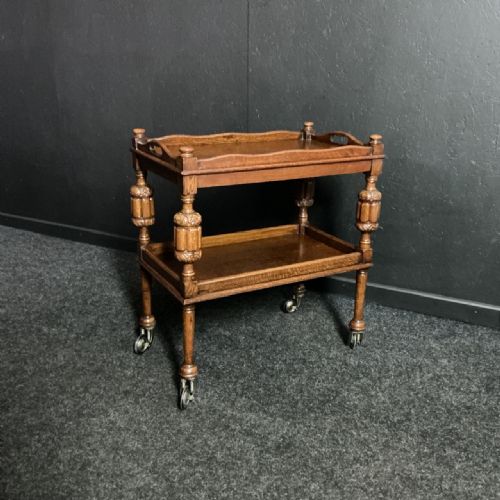
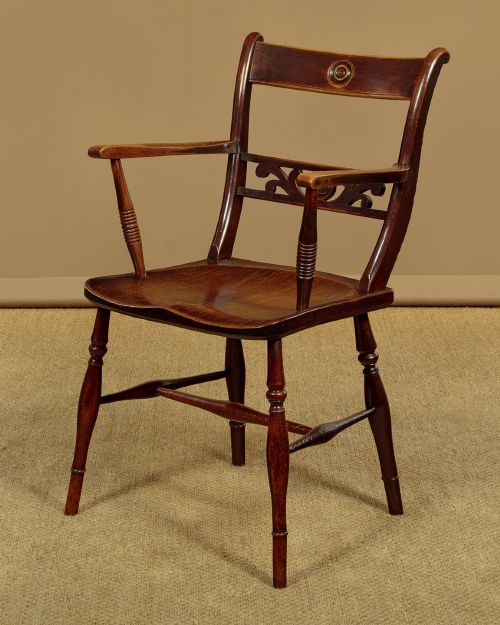
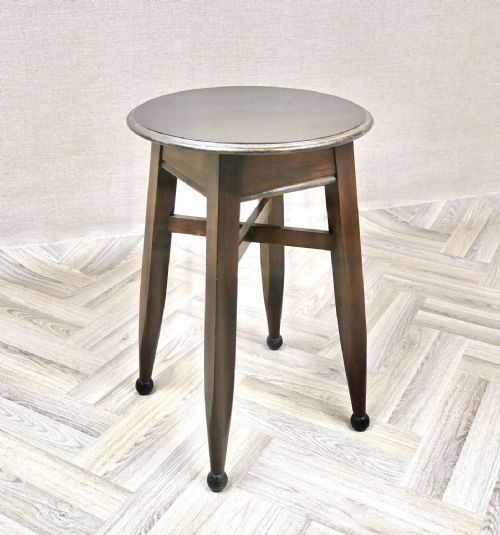
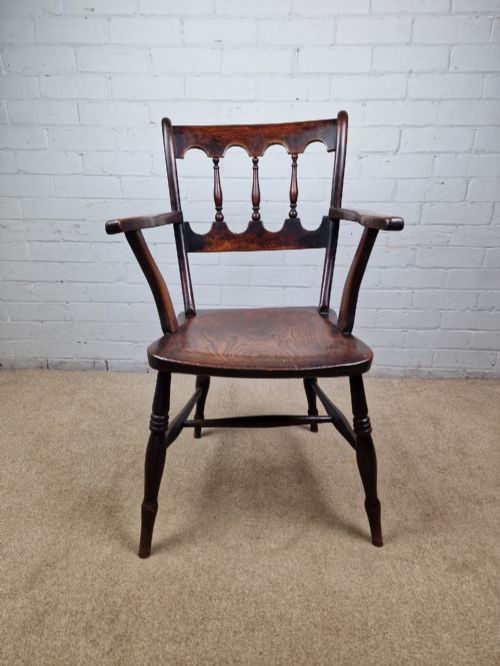
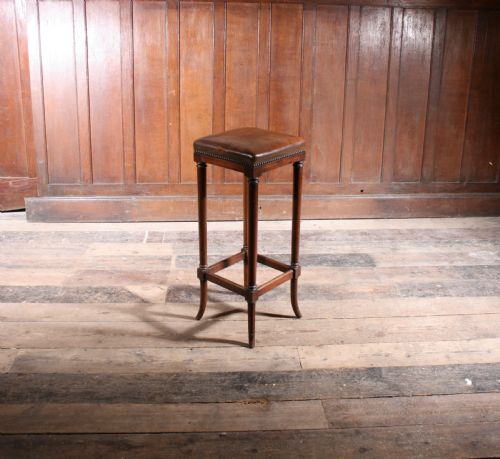
When you search for a dark brown wooden bar, you encounter a selection of sturdy commercial and domestic furnishings designed for hospitality, from tall tavern stools to pub tables and serving stations. These pieces encompass utilitarian seating like bar stools, clerk's stools, and windsor armchairs alongside larger items such as tea trolleys and reception stations.
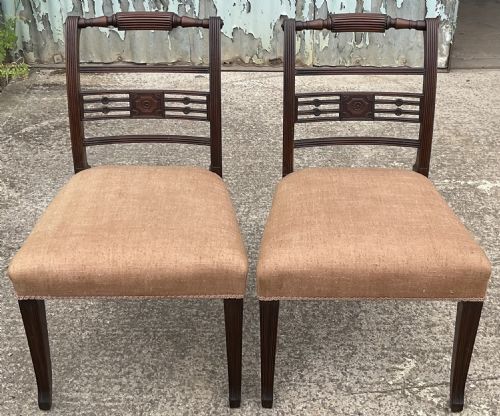
The objects listed on this page derive primarily from the nineteenth century, with Victorian and Georgian periods well represented, alongside occasional twentieth century art deco pieces. You will frequently find sycamore, elm, beech, and mahogany items shaped by vernacular and regional traditions across England.
Materials and construction
Makers utilised dense hardwoods such as mahogany, oak, beech, elm, and sycamore to withstand the heavy wear of taverns, country houses, and public houses. Surfaces frequently display natural grain patination developed through decades of daily use and oiling.
Joinery methods rely on traditional turning, pegged mortise and tenon joints, and steam bending for elements like bentwood stools and bar back windsor chairs. Metal fastenings appear sparingly, favouring timber strength and pegged stability over modern hardware.
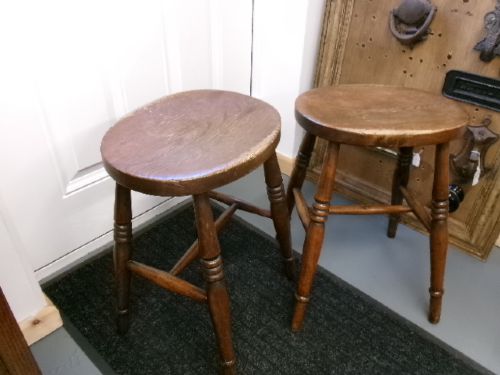
Many a tavern stool bears the genuine notches and dents of nineteenth-century patrons who rested their boots on the stretchers.
Judging quality and integrity
Quality in these items rests on the original integrity of the timber, the honesty of the wear, and the retention of structural rigidity. Pieces that retain their original turned stretchers and unclipped feet hold greater commercial and historical interest.
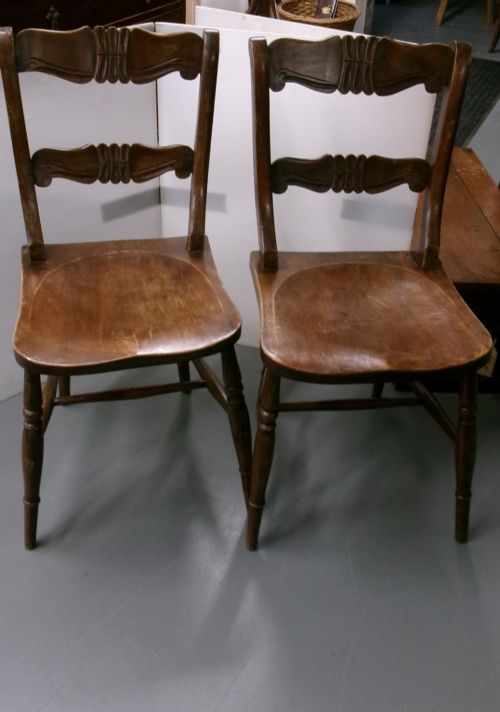
Subtleties in the joinery, such as dished solid wood seats shaped from single timber slabs or carefully steam-bent backrests, separate utilitarian workshop output from finer vernacular craftsmanship.
The Dark Brown Wooden Bar Glossary
- Bar back
- A chair design featuring a curved wooden top rail resembling the rail of a traditional pub bar, often seen on nineteenth century windsor chairs.
- Vernacular
- Everyday furniture built by local craftsmen to practical designs rather than high stylistic convention, heavily utilising regional timbers like elm and beech.
- Dished top
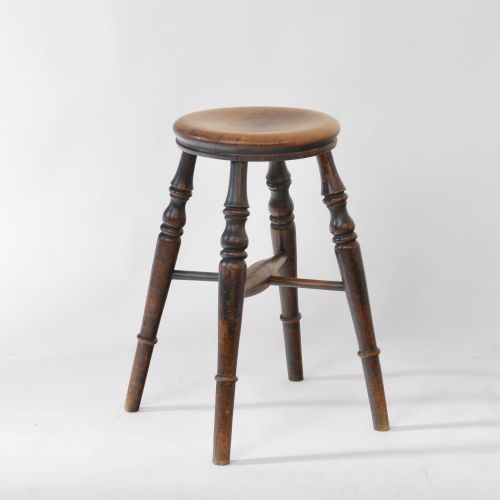
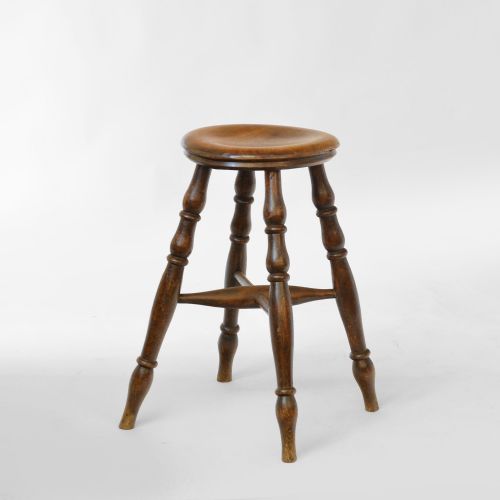
- A seat or surface scooped out into a shallow concave bowl shape for seating comfort, typical of heavy tavern and pub stools.
- Stretchers
- The horizontal wooden rods connecting the legs of a stool or chair near the base to provide structural rigidity and footrests.
Dark Brown Wooden Bar: Frequently Asked Questions
What is a bar back chair?
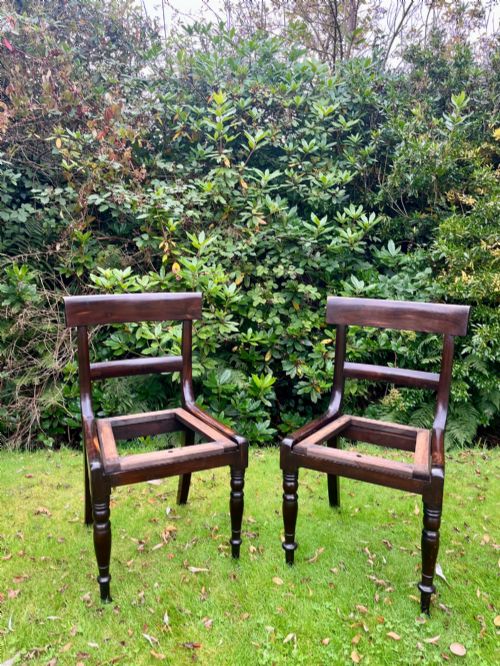
A bar back chair is a seating form featuring a distinctive curved wooden upper rail designed to offer ergonomic support.
These chairs frequently appear in nineteenth century vernacular and country contexts, constructed from woods like elm and beech.
How do I care for antique pub furniture?
Maintain antique wooden bars and stools by keeping them away from direct heat sources and sudden humidity changes.
Apply a traditional wax polish occasionally to nourish the exposed timber and preserve the historic surface patination.
What woods were used in these pieces?
Maker choices focused on durable hardwoods capable of enduring heavy daily patronage in commercial and domestic settings.
Common species include mahogany, oak, beech, elm, sycamore, and occasional bentwood elements.
How are tavern stools different from regular stools?
Tavern stools are typically built with thicker timbers, reinforced stretchers, and solid dished wooden tops designed for heavy commercial service.
They emphasise stability and utilitarian function over decorative carving or upholstery.