
Dark Brown Wood Sculpture
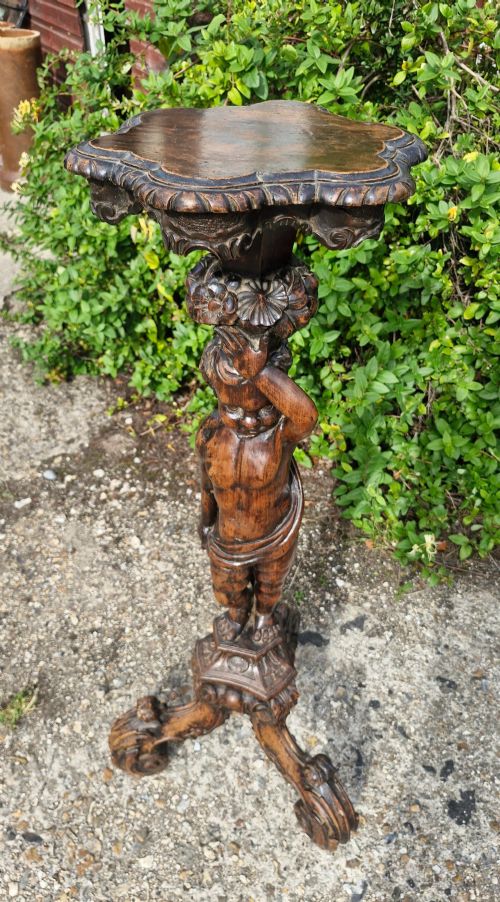
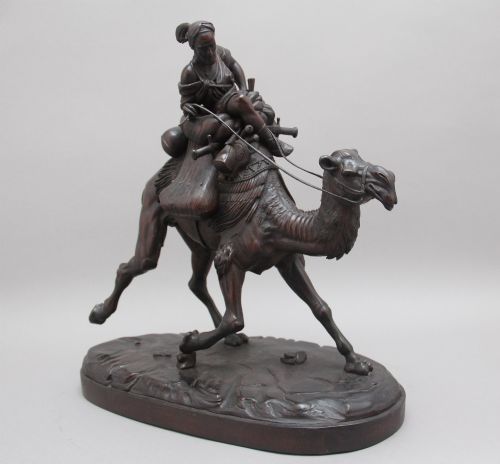
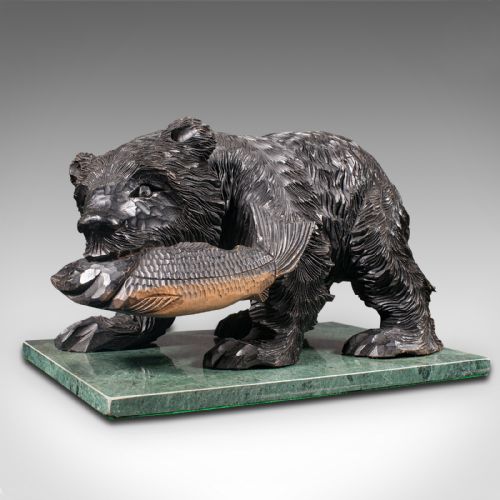
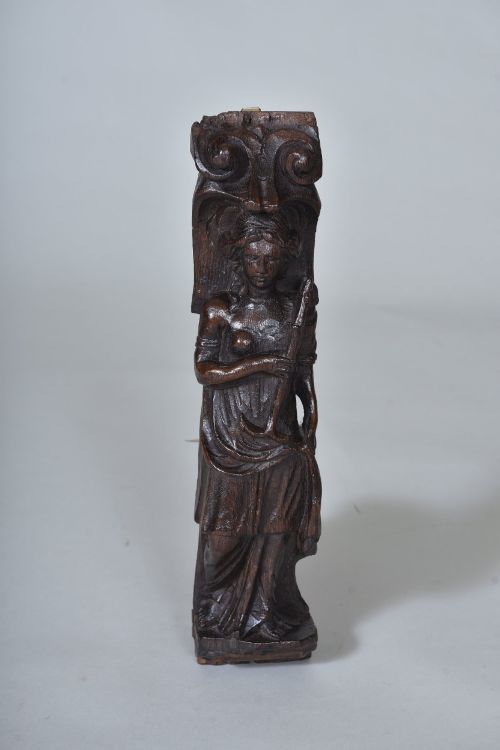
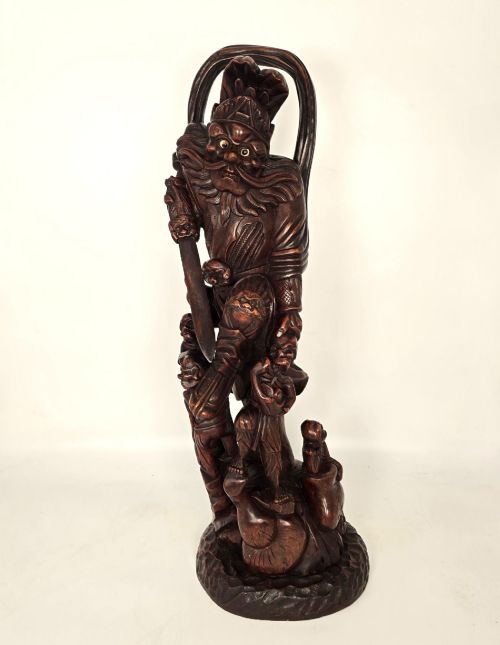
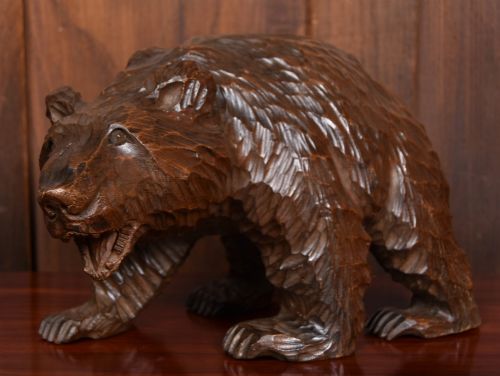
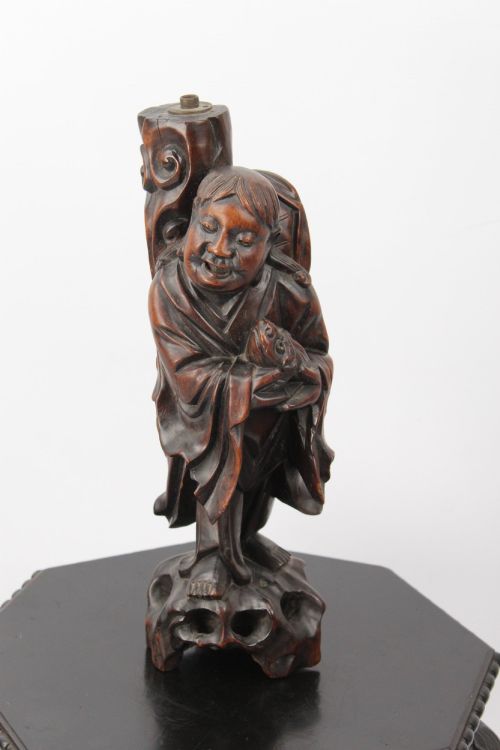
These pieces of dark brown wood sculpture bring centuries of carving traditions into a room, from Black Forest animals to Asian hardwood figures.
Dark Brown Wood Sculpture
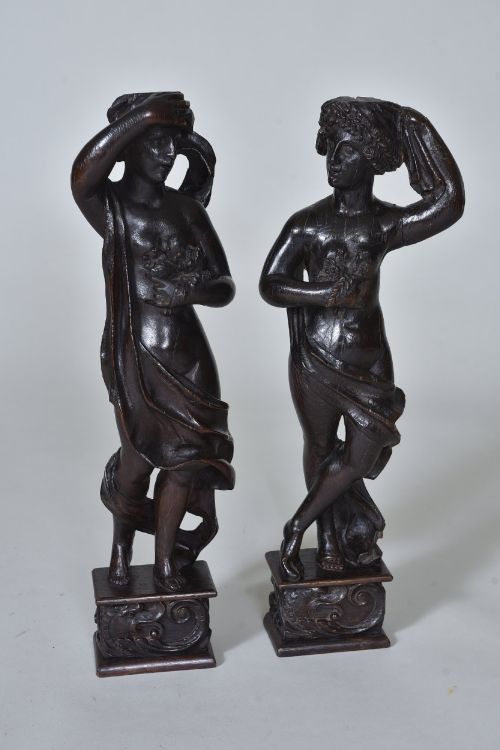
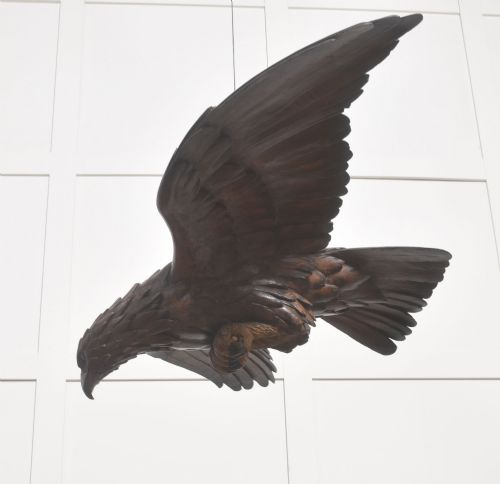
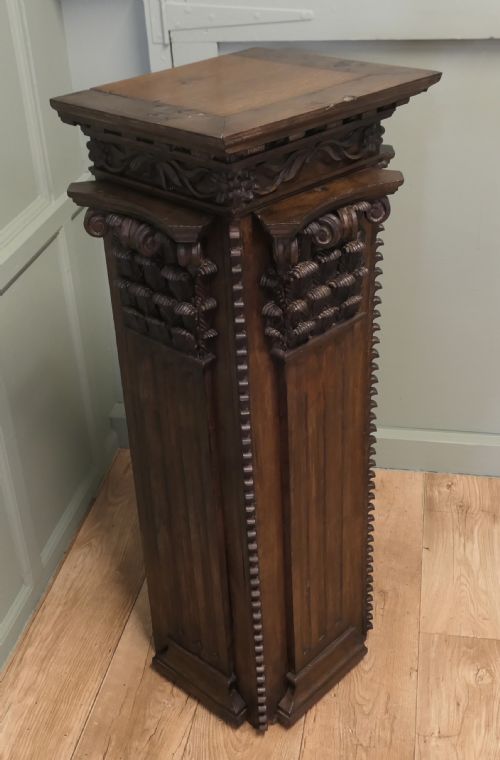
A dark brown wood sculpture represents carved forms shaped across centuries, including the sixteenth through the twentieth centuries. The selection on this page ranges from utilitarian items and architectural panels to figurative carvings and animal studies.
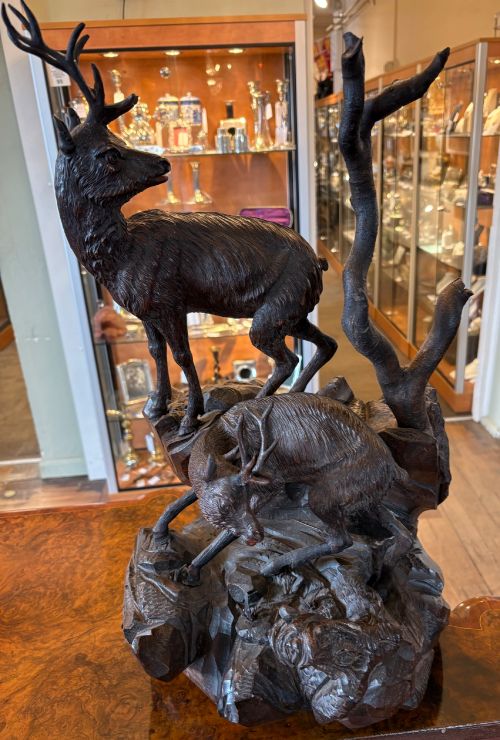
Buyers will encounter European Black Forest works alongside Asian hardwood figures, Japanese folk art, and African tribal pieces. Oak, walnut, lindenwood, and dense tropical hardwoods form the backbone of these creations.
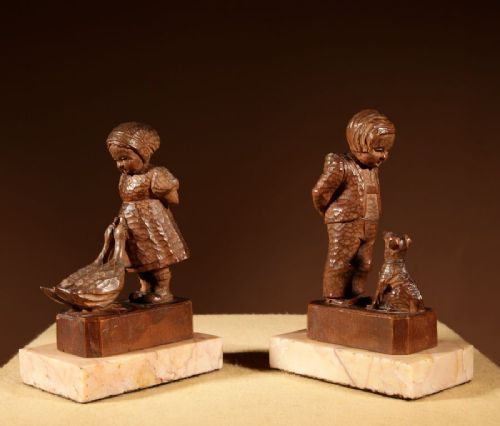
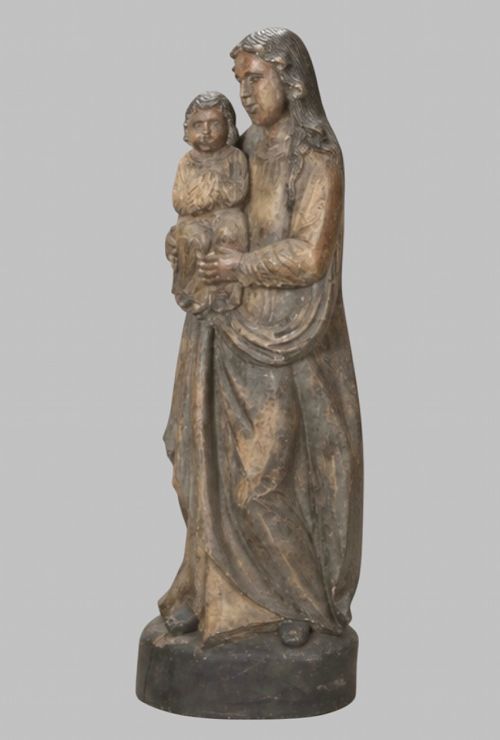
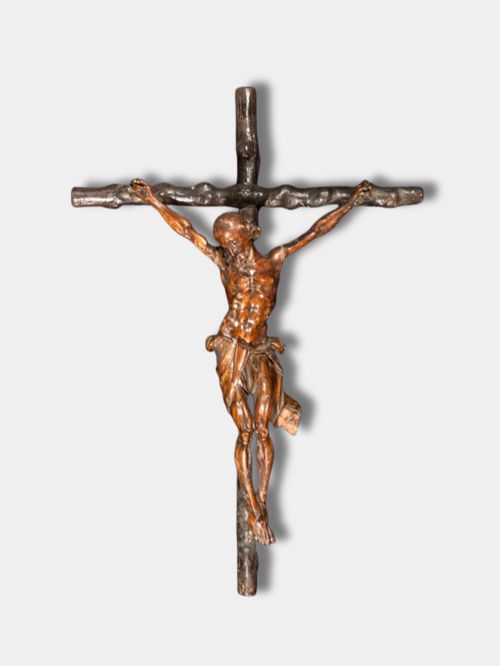
The objects take many forms, from devotional figures and memorial panels to bookends, furniture supports, and standalone animal statues. Each piece reflects the specific regional carving methods of its origin.
Materials and methods
Carvers shaped these pieces using hand chisels and gouges on seasoned timber, selecting oak, walnut, boxwood, and various imported hardwoods for their grain and density. Some items incorporate brass or mixed metal mounts to secure structural elements or add decorative contrast.
Makers utilised dark stains or allowed the natural oils in woods like oak and walnut to darken with age. Surface finishes vary from smooth polish to unsealed, textured tool marks left directly by the carver.
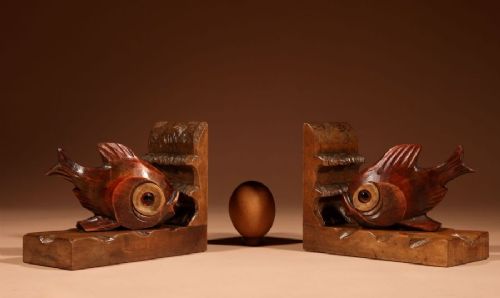
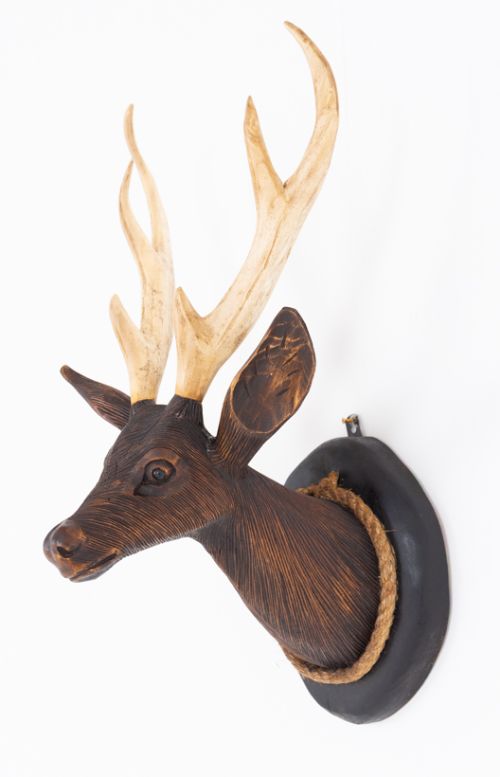
Among the menagerie of carved bears, dogs, and stags, a pair of wooden goldfish serve as bookends.
Assessing quality in carved wood
Quality rests upon the confidence of the carving and the anatomical accuracy or stylistic vigour of the subject. Master carvers captured movement, expression, and texture with precision, whereas lesser works rely on stiff proportions and blunt detailing.
The selection of the timber matters considerably, as dense hardwoods allow for crisp, durable undercut details that softer or grain-faulted woods cannot sustain over time.
Simon Troger·Tomochika
The Dark Brown Wood Sculpture Glossary
- Black Forest
- A style of wood carving originating in the mountainous region of Central Europe, famous for lifelike depictions of bears, dogs, and alpine wildlife. These pieces often utilise walnut or lindenwood.
- Hardwood
- Timber derived from broadleaved angiosperm trees, providing the dense, durable material necessary for intricate and lasting sculptural work. Oak, walnut, and boxwood are primary examples found in these listings.
- Relief
- A sculptural technique where the figures project from a flat background panel. This method appears frequently on architectural fragments and decorative wall plaques.
- Folk Art
- Objects created by self-taught or traditional artisans outside academic traditions. These pieces prioritise expressive forms and naive charm over strict classical proportions.
Dark Brown Wood Sculpture: Frequently Asked Questions
How do I clean a wood sculpture?
Dust the surface gently with a dry, soft-bristled brush to remove particulate matter from deep crevices without damaging the patina.
Avoid using water, chemical polishes, or liquid cleaners, as moisture can penetrate unsealed wood and cause splitting or warping over time.
Where should I place these sculptures?
Position sculptures away from direct sunlight and heat sources, such as radiators or fireplaces, which cause the timber to dry out and crack.
Stable indoor humidity levels help preserve the structural integrity of antique wood and prevent movement in the joints.
What woods were commonly used?
Carvers utilised local European timbers such as oak, walnut, lindenwood, and boxwood for detailed regional works. Imported tropical hardwoods appear in pieces originating from Asian and African traditions.
The choice of timber typically reflects the geographic origin and the intended level of fine detail required by the design.
How do I identify Black Forest carvings?
Look for subjects depicting alpine animals, particularly bears, deer, and dogs, rendered with realistic textures and dynamic poses. These pieces commonly date from the nineteenth and early twentieth centuries and are carved from walnut or lindenwood.