





Dark Brown Spice Box
These dark brown spice box pieces are compact wooden containers built to hold culinary seasonings, offering genuine historical utility and warm timber tones for the home.
Dark Brown Spice Box
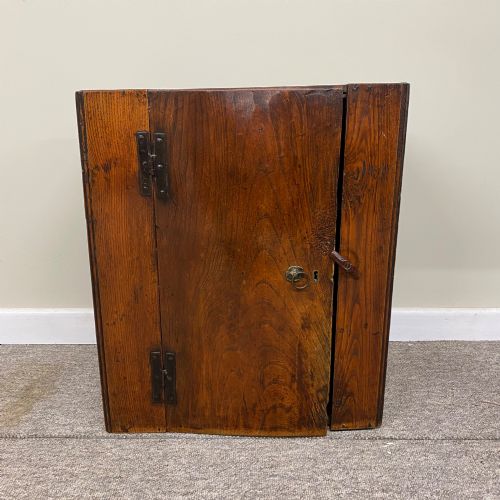
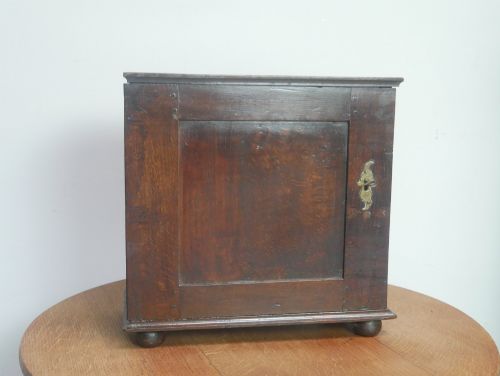
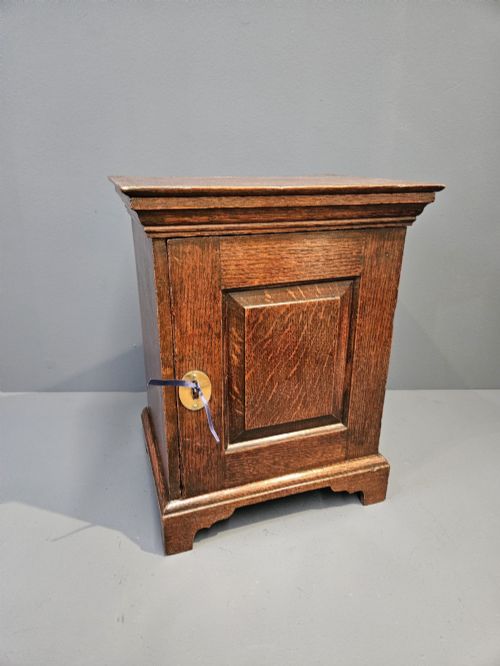
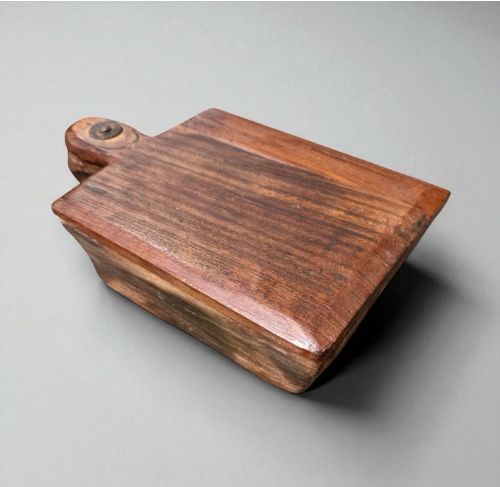
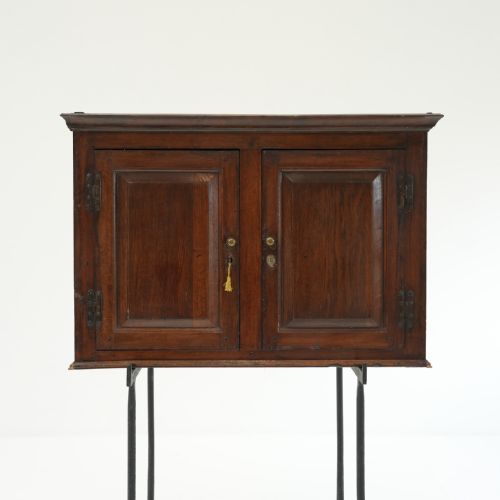
When searching for a dark brown spice box, you are looking at utilitarian wooden containers, small cupboards, and wall-hanging cabinets designed for domestic storage. The examples on this page span the seventeenth, eighteenth, and nineteenth centuries, originating from British, Welsh, and Indian traditions.
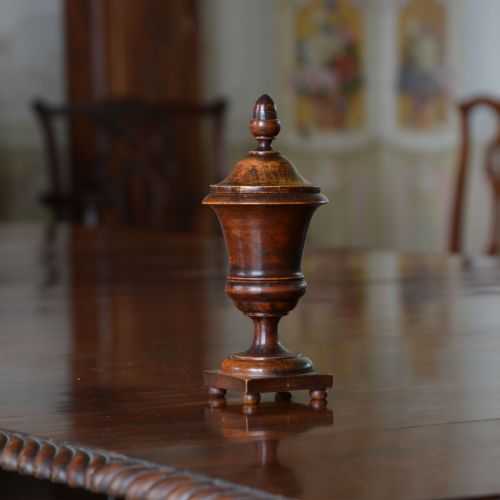
You are most likely to encounter sturdy oak spice cupboards from the Georgian and eighteenth-century periods, often featuring hanging capabilities or tabletop designs. Alongside these, you will find treen fruitwood containers, salt boxes, and regional Indian pieces constructed from diverse woods.
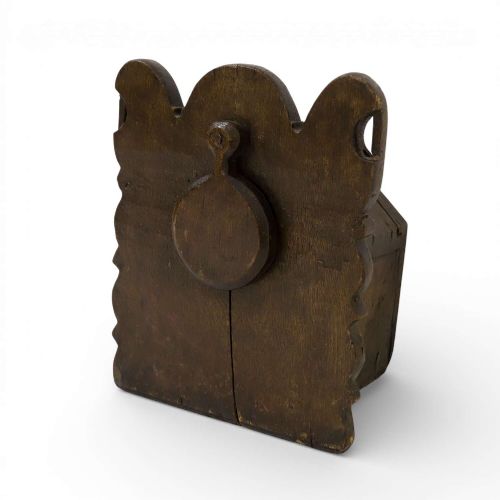
The forms range from wall-hanging carved oak cupboards to multi-tiered towers and painted boxes. These items reflect the domestic habits of earlier centuries, serving practical storage functions in period kitchens and living spaces.
How they were made
These items rely on traditional woodworking methods, utilising solid timbers such as oak, fruitwood, and pine shaped into boards, turned elements, and carved panels. Joinery techniques from the seventeenth to the nineteenth centuries dictate the sturdy construction of these small cabinets and boxes.
Metal components play a practical role in their construction, with original iron hardware and brass fixtures securing doors, lids, and hanging points. Surface finishes in the evidence include exposed natural wood grains alongside painted traces and traditional decorative carving.
Dark Brown Spice Box Retail Price Guide 2026
Typical asking prices for dark brown spice box among the pieces listed under this phrase on Sellingantiques today, from the lower quarter to the upper quarter. They describe what is for sale here now, not the wider market.
Listings feature items primarily from the 18th and 19th centuries, alongside 1700 and Edwardian examples, constructed predominantly in oak, fruitwood, and pine.
What varies in quality
The distinction between ordinary and superior examples lies in the depth of hand-carving, the crispness of turned wood details, and the integrity of the original timber. Pieces featuring sophisticated joinery and well-preserved period hardware stand apart from simpler utilitarian containers.
Regional character and originality define the upper tier, where untouched surfaces, authentic hardware, and regional British or international vernacular styles demonstrate higher craftsmanship. The survival of early paint traces or specialised multi-tiered forms adds to the sophistication of an individual item.
The Dark Brown Spice Box Glossary
- Treen
- Small domestic wooden objects made by turning or carving. These items were produced for everyday household use from local hardwoods.
- Salt Box
- A wall-mounted container specifically shaped to keep salt dry and accessible. They typically feature a hinged lid and a high backboard with a suspension hole.
- Fruitwood
- Dense timber harvested from fruit-bearing trees such as pear or apple. Cabinet makers utilised it for turned objects and smaller decorative containers due to its fine grain.
- Georgian
- The architectural and decorative style spanning the reigns of the first four Georges. Furniture from this era emphasises proportion, classical balance, and quality timber construction.
- Vernacular
- Everyday objects built by local craftspeople using regional traditions rather than high court designs. These pieces prioritize local materials and direct utility.
Dark Brown Spice Box: Frequently Asked Questions
Where were these spice boxes hung?
These small cupboards and boxes were traditionally hung on kitchen walls or placed on tabletops to keep valuable seasonings secure and dry. Their compact dimensions allowed them to fit easily within working domestic spaces.
Wall-hanging versions often incorporated suspension brackets or pierced backboards for secure attachment to timber panelling or plastered walls near the hearth.
How do I date an oak spice cupboard?
Dating relies on examining the construction methods, nail types, hinge styles, and overall joinery conventions. Hand-cut boards and early iron hardware point toward earlier centuries.
Comparing the style of carving and regional characteristics against documented examples helps narrow down the period of manufacture, from seventeenth-century country pieces to later Victorian adaptations.
What is treen?
Treen encompasses small, functional wooden household items shaped by turning on a lathe or through hand carving. Items include turned cups, boxes, and small containers made from dense hardwoods.
Collectors value these items for their tactile surfaces, rich patination, and the evidence of early woodworking techniques preserved in the timber.
Can I use these boxes for modern spices?
While these historic containers were originally built to store precious culinary seasonings, modern storage often requires careful consideration of the antique wood and interior conditions. Many buyers prefer to display them as decorative historical objects.
If utilised for storage, ensure the interior is clean and dry, as antique timbers can absorb strong aromas or moisture over extended periods.