

Dark Brown End Table
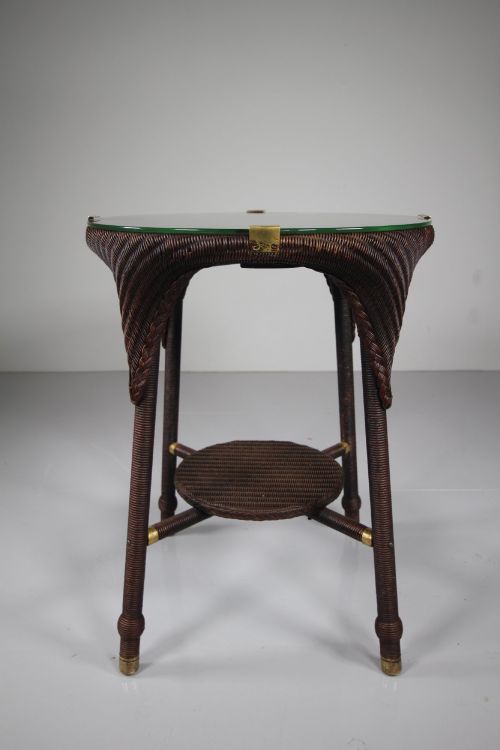
These pieces known as a dark brown end table span centuries of timber working, offering practical surface space beside seating in any room.
Dark Brown End Table
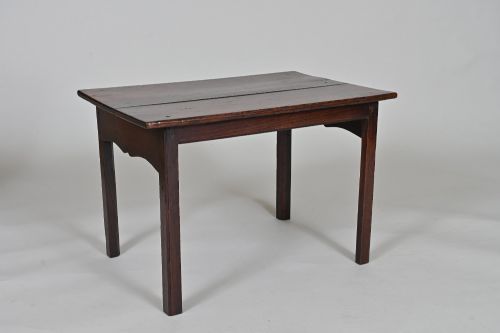
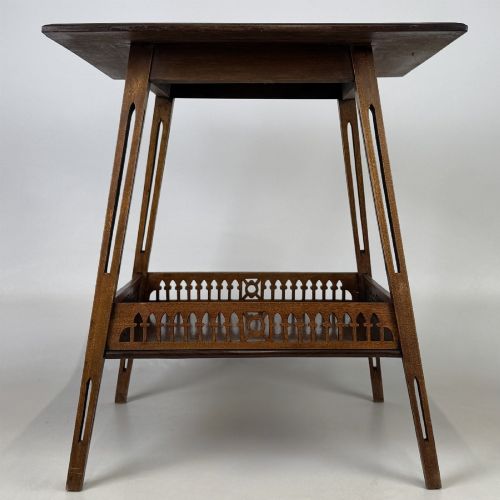
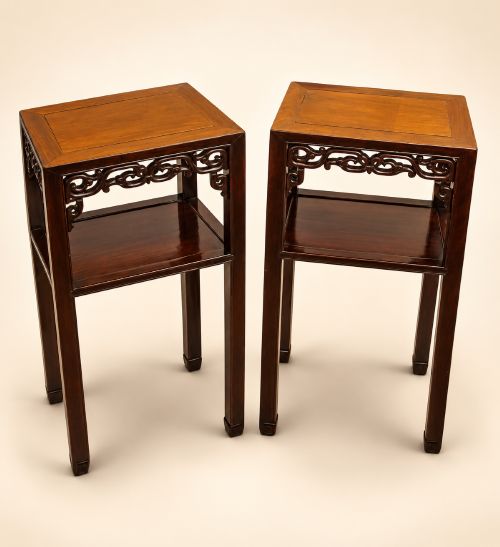
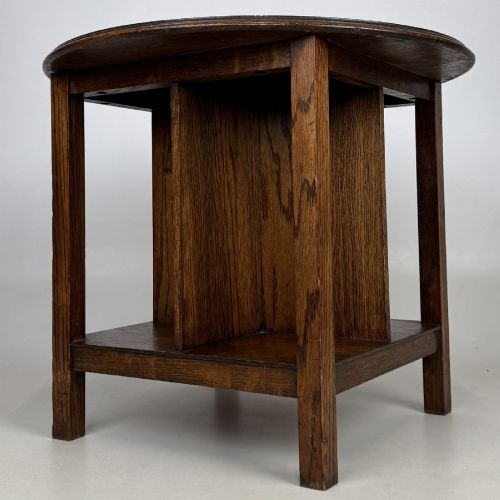
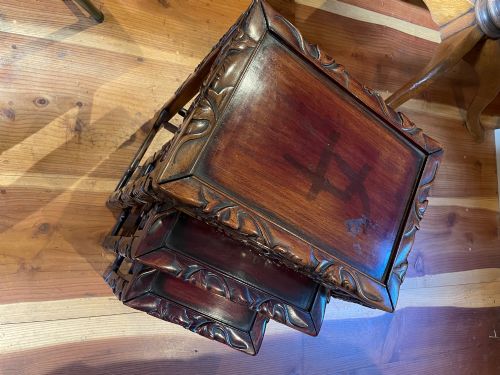
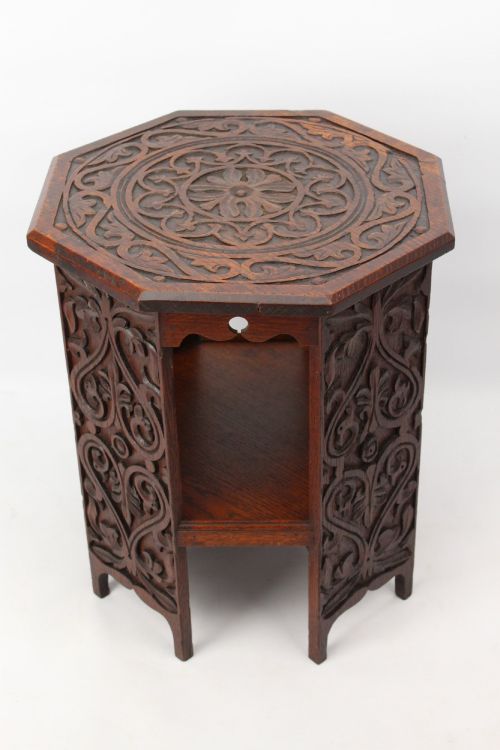
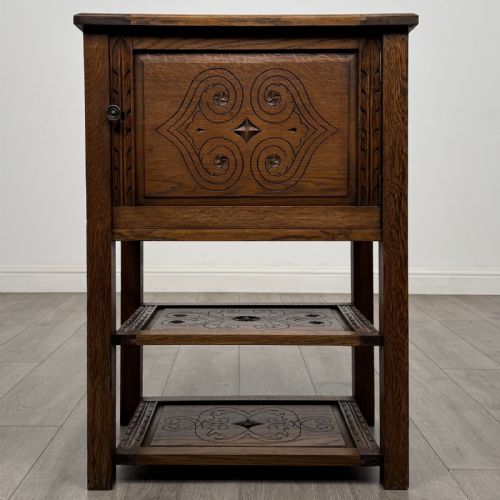
A dark brown end table appears primarily as an occasional table, side table, or lamp table spanning periods from the seventeenth century through the Edwardian era and the nineteen-thirties. Formats range from simple rectangular oak boards to drop-leaf pembroke tables, nests of tables, and octagonal occasional pieces.
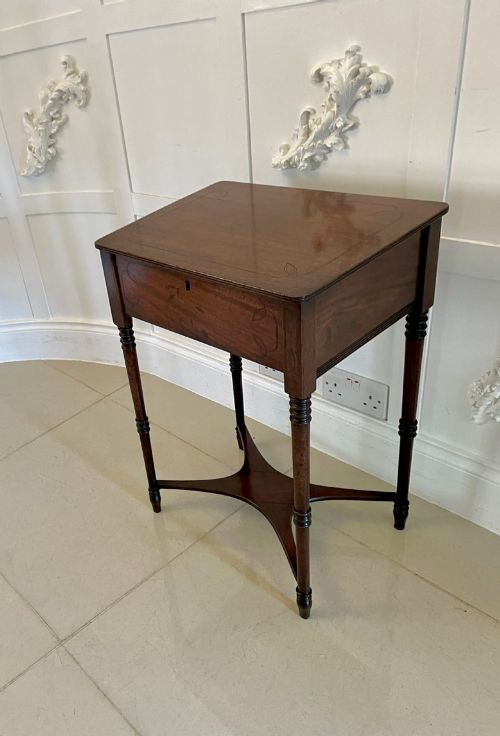
Makers utilised various timber species, producing pieces that function efficiently beside chairs or beds. The selection draws heavily upon Edwardian oak examples alongside Georgian mahogany pieces and Victorian rosewood items.
Materials and Technique
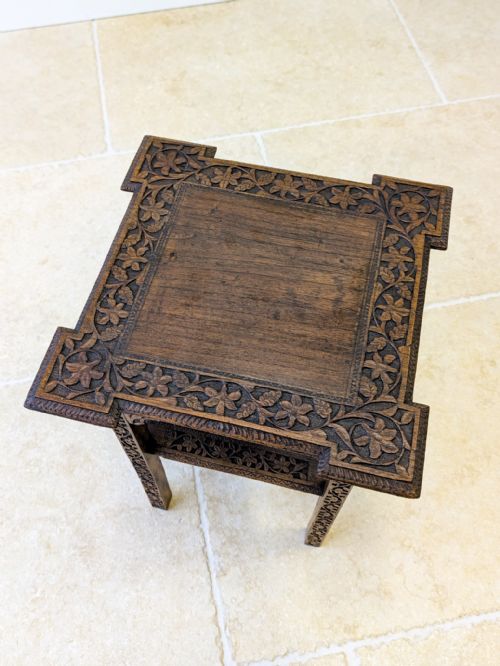
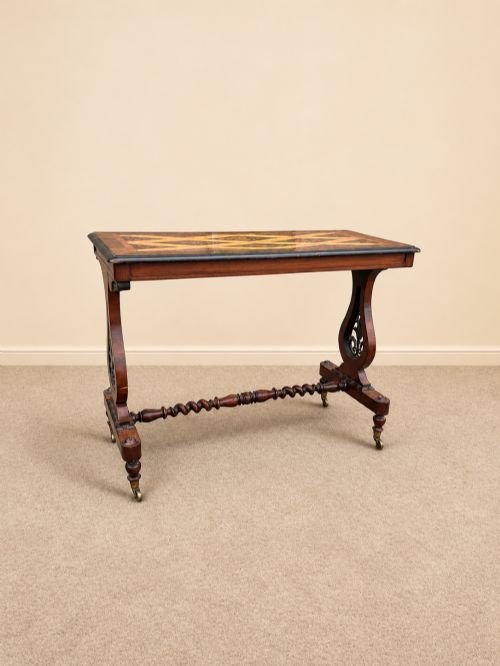
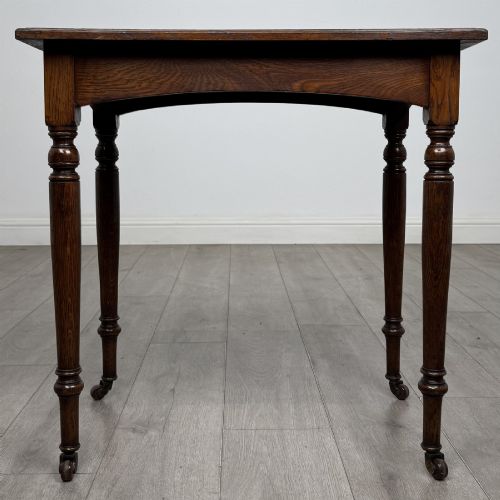
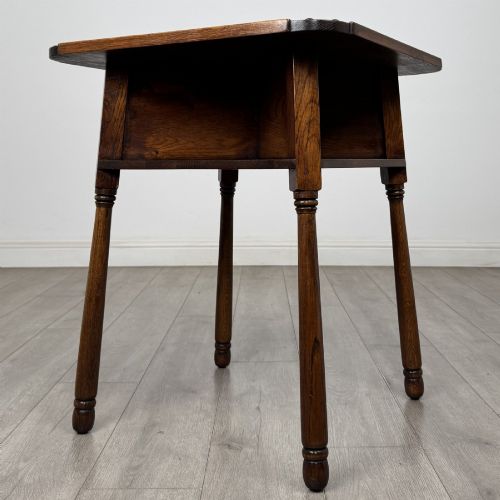
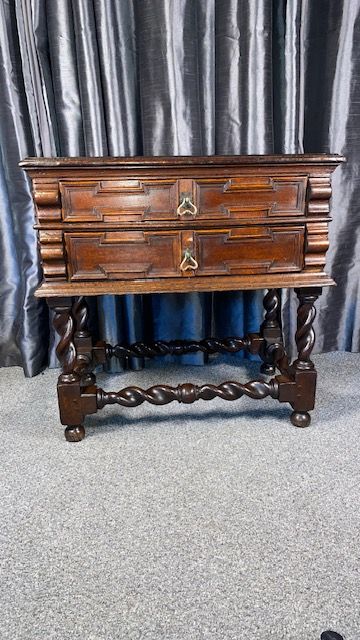
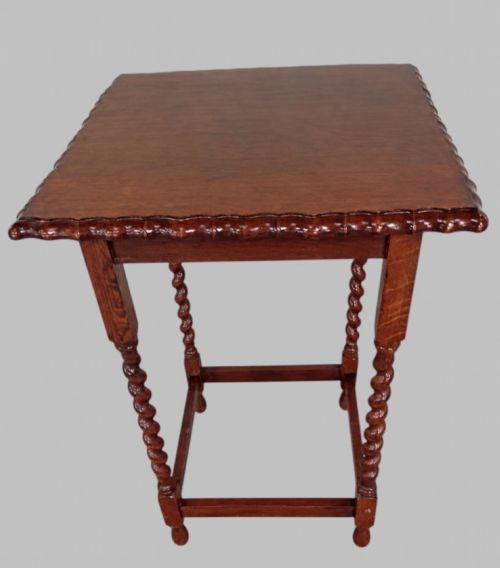
Construction relies upon traditional cabinet timbers such as oak, mahogany, walnut, and rosewood, frequently supported by secondary woods like elm. Joinery methods include turned legs, barley twist supports, and bobbin turning alongside carved detailing and occasional chequered inlay.
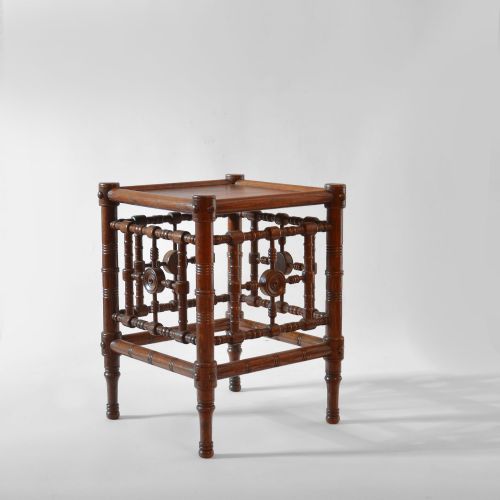
Surface finishes highlight the natural grain of the hardwood, sometimes incorporating faux bamboo carving, brass fittings, or satinwood accents to enhance the darker tones of the timber.
Dark Brown End Table Retail Price Guide 2026
Typical asking prices for dark brown end table among the pieces listed under this phrase on Sellingantiques today, from the lower quarter to the upper quarter. They describe what is for sale here now, not the wider market.
Some tables feature carved faux bamboo, proving that Victorians enjoyed botanical deception indoors.
Material Integrity and Construction
Quality rests upon the selection of solid timber versus veneered surfaces, the crispness of hand-carved details, and the stability of the structural frame. Superior examples display precise joinery and well-figured grain in woods like burr oak or mahogany.
The integrity of the original finish and the balance of proportions distinguish standard utility furniture from finer workshops and attributed pieces.
Liberty & Co.·William Birch·E.W Godwin
The Dark Brown End Table Glossary
- Drop-leaf
- A table with hinged flaps on the sides that fold down to save space or lift up to extend the surface area.
- Barley twist
- A decorative turning technique resembling a spiral rope, popular in seventeenth-century and Edwardian furniture.
- Occasional table
- A small, light table designed to be moved around a room as needed for drinks, lamps, or books.
- Pembroke table
- A small table with two hinged drop leaves and typically one or two small drawers underneath the top.
- Inlay
- A technique where contrasting materials are inserted into recesses in the wood surface to create decorative patterns.
Dark Brown End Table: Frequently Asked Questions
Where should I place a dark brown end table?
These tables fit easily beside armchairs, sofas, or beds to hold reading lamps, drinks, and small decorative items.
Their compact dimensions allow them to sit in corners or hallways without crowding the floor space.
How do I identify an Edwardian side table?
Edwardian pieces often feature lighter framing, carved oak or inlaid mahogany, and vernacular revival styles dating around nineteen hundred.
Many examples utilise machine assistance alongside hand finishing, unlike earlier Georgian furniture.
What woods are common in these tables?
Oak and mahogany appear most frequently across the inventory, alongside rosewood, walnut, and hardwood.
Dark brown tones emerge naturally from aged timber or historical polishing methods.
Are nesting tables practical for daily use?
Nesting sets provide multiple surfaces that stack neatly together when floor space is required.
Individual tables pull out independently for serving guests or holding multiple items.