




Dark Brown Bronze Dog
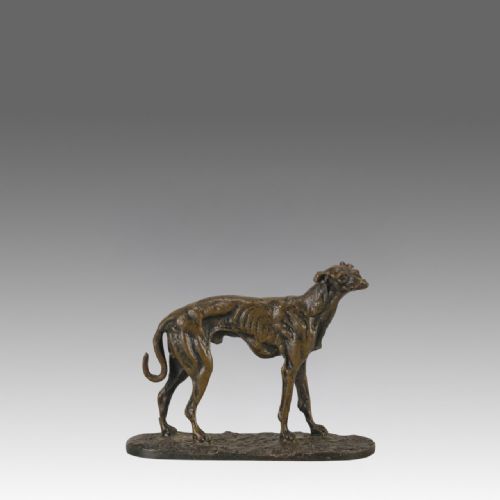
A dark brown bronze dog brings nineteenth-century animalier modelling straight to the desk or mantelpiece with character and weight.
Dark Brown Bronze Dog
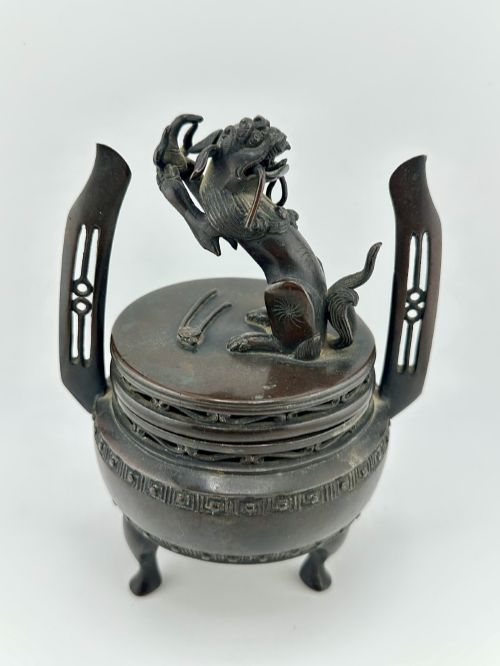
When you search for a dark brown bronze dog, you are looking at nineteenth-century and early twentieth-century metal sculpture capturing hounds, terriers, and sporting dogs in natural poses. These pieces range from French animalier desk ornaments and fireside statues to cold-painted Austrian desk pieces and Japanese okimono cast in solid metal.
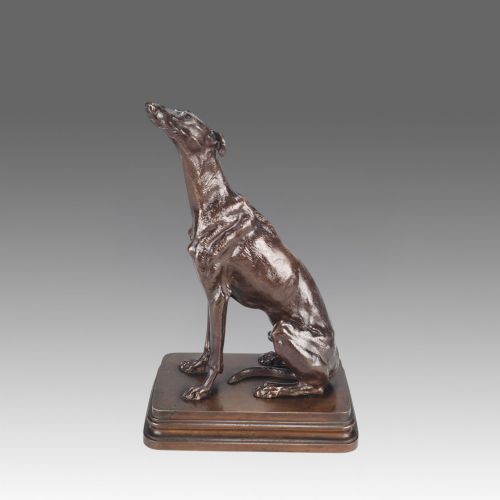
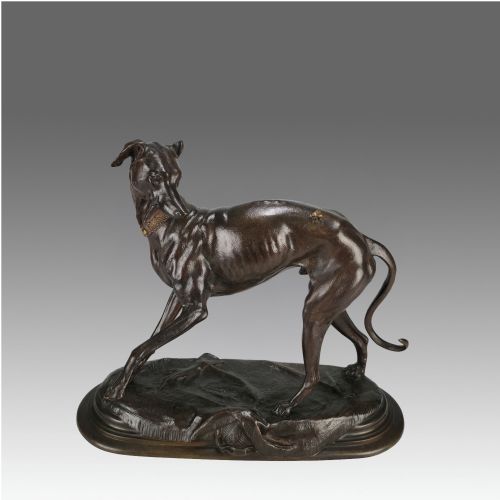
You will most frequently meet nineteenth-century French animalier bronzes depicting greyhounds, setters, and hounds resting or standing. These works rely on rich patination and careful observation of animal anatomy to create realistic character studies that sit comfortably on a shelf or heavy piece of furniture.
How they were made
Most of these pieces utilise the lost-wax casting method in bronze, allowing for fine details in the fur, muscle, and facial expressions. Cast iron and patinated metal also appear, particularly in heavier functional items like andirons and inkwells.
The characteristic dark surface colour comes from applied patination or cold-painting techniques rather than raw metal. This finish is carefully rubbed back on high points to reveal subtle highlights across the musculature of the dog.
A bulldog sits quietly inside a triple inkwell, watching over your desk work.
What varies in quality
The distinction between ordinary and exceptional casting lies in the crispness of the chisel work and the depth of the chasing after the metal leaves the mould. Better examples retain sharp definition in the fur and paws without obscuring the natural texture beneath the dark patina.
Anatomical accuracy and the fidelity of the dog's posture separate standard foundry output from the work of recognised animalier sculptors. The balance of the composition and the richness of the brown surface tones determine the overall visual presence of the piece.
Alfred Dubucand·Alfred Barye·Franz Bergman·P J Mêne·Jules Moigniez·Edith Parsons·Auguste Nicholas Cain·Antoine Louis Barye
The Dark Brown Bronze Dog Glossary
- Animalier
- A nineteenth-century artistic movement dedicated to the realistic portrayal of animals, particularly in sculpture. Practitioners studied live subjects in menageries and fields to capture authentic movement.
- Patina
- The surface coloration and sheen developed naturally over time or applied chemically by the foundry. In dark brown pieces, this coating protects the metal and defines the contours.
- Cold-Painted Bronze
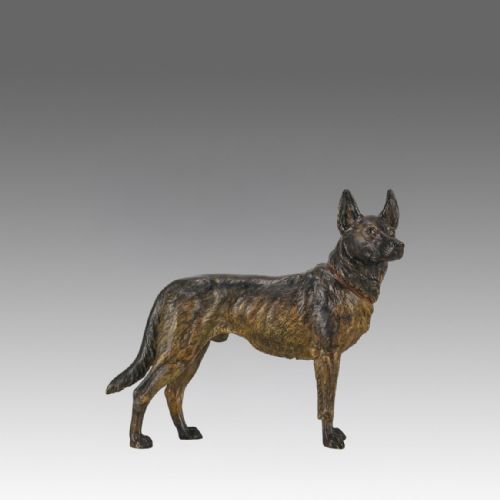
- A technique where bronze figures are painted with polychrome oil paints rather than fired in a kiln. This method is particularly associated with Austrian workshops producing small cabinet figures.
- Okimono
- A Japanese decorative object designed for display on a shelf or in a tokonoma alcove. These metal carvings often depict groups of puppies or domestic animals with playful realism.
Dark Brown Bronze Dog: Frequently Asked Questions
Are these sculptures solid bronze?
Many smaller animalier figures and desk ornaments are cast as solid bronze to give them satisfying weight and stability. Larger works and complex animals are often cast hollow to save metal and weight.
Heavier items like inkwells and andirons may utilise cast iron with a bronzed finish rather than solid copper alloy. Checking the underside or base will usually reveal the construction method.
What is cold-painted bronze?
Cold-painted bronze refers to metal figures decorated with oil-based paint that dries in the air rather than being fired in a kiln. This technique allowed makers to introduce realistic natural colours to the fur and collars of small dogs.
Because the paint is simply applied to the metal surface, these pieces require careful handling to prevent chipping. They are best kept out of direct sunlight to maintain the integrity of the finish.
Where were these dog sculptures made?
The majority of nineteenth-century animalier bronzes originate from French foundries working in Paris during the height of the realism movement. These pieces reflect the period's fascination with domestic and sporting animals.
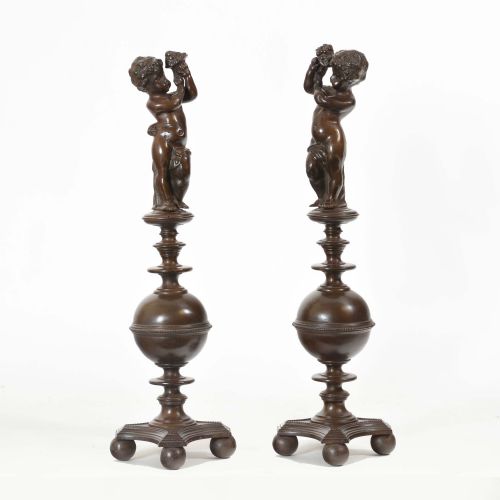
Other examples stem from Austrian studios producing novelty cabinet bronzes, Japanese workshops carving okimono, and Italian foundries producing Renaissance revival furnishings.