



Danish Solid Silver
These pieces of danish solid silver bring exceptional Scandinavian craftsmanship to your table and dressing table, offering both timeless utility and striking design.
Danish Solid Silver
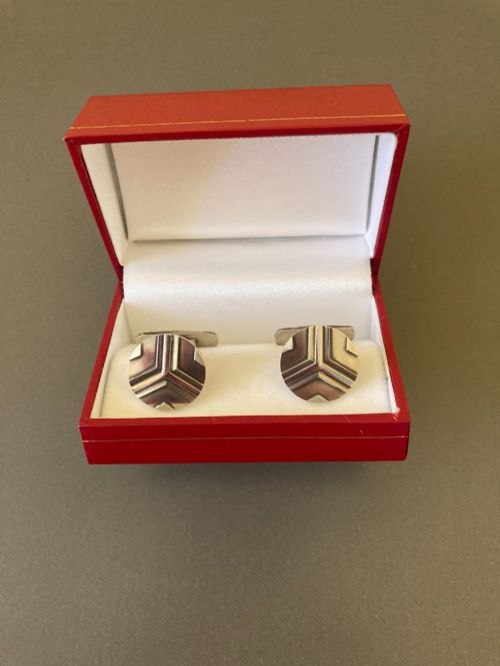
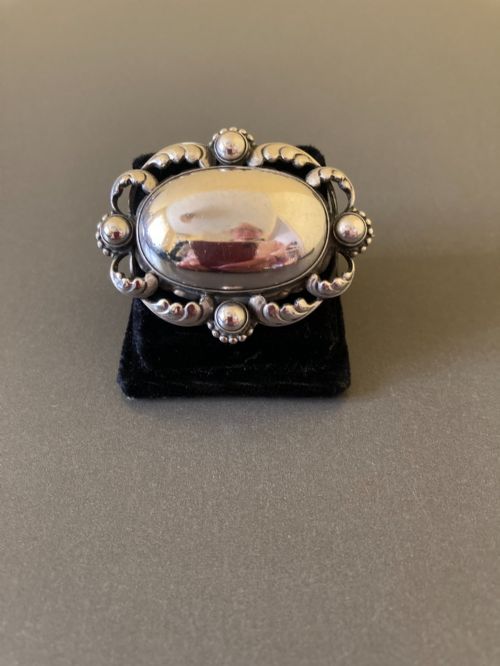
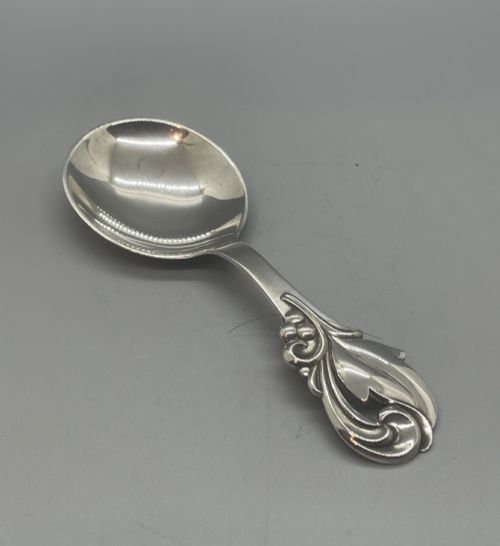
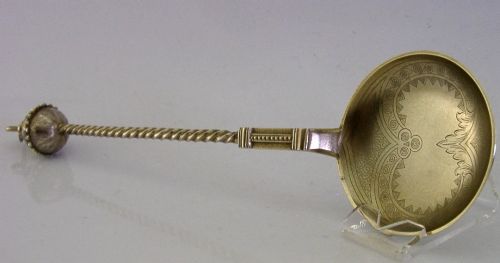
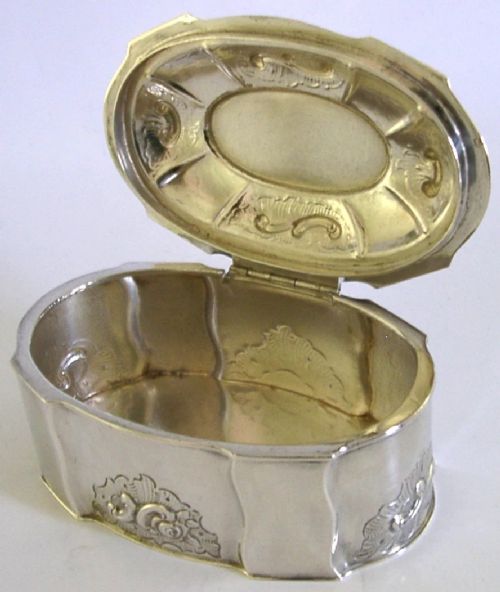
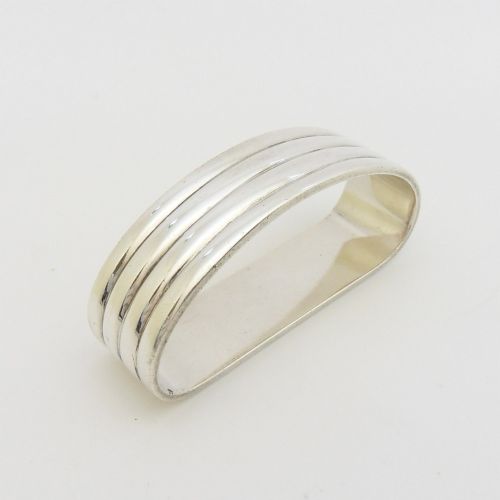
When you search for danish solid silver, you encounter a refined selection of domestic items and personal adornments spanning from the Edwardian era through the mid-century modern period. The pieces range from large serving spoons and baptism spoons to intricate caddy spoons, teaspoons, napkin rings, dressing table jewellery boxes, cufflinks, and brooches.
You are most likely to meet mid-century modern works and earlier Scandinavian antique or Skønvirke pieces on this page. Makers such as Georg Jensen and Evald Nielsen dominate the output, reflecting distinct stylistic shifts from ornate Edwardian and Art Nouveau aesthetics to clean Scandinavian mid-century lines.
How they were made
The objects are fashioned predominantly from sterling silver, solid silver, and silver gilt, utilising traditional silversmithing techniques to shape substantial weights of metal. Items like the large dressing table jewellery boxes and serving spoons demonstrate considerable heft, with specific pieces reaching over two hundred grams.
Surface treatments and assembly involve meticulous hand-finishing, seen in the gilt interiors of baptism spoons and the detailed sculptural motifs of brooches and cufflinks. Construction relies on durable soldering and forming methods appropriate to high-grade silver ware.
Danish Solid Silver Retail Price Guide 2026
Typical asking prices for danish solid silver among the pieces listed under this phrase on Sellingantiques today, from the lower quarter to the upper quarter. They describe what is for sale here now, not the wider market.
What varies in quality
Quality in danish solid silver is defined by the prominence of the maker, the weight of the metal, and the sophistication of the design within styles such as Art Nouveau or Scandinavian Modern. Pieces bearing recognised workshop names carry greater distinction through their sculptural detail and heavier gauge silver.
The integrity of the form, crispness of hallmarks, and the preservation of original silver gilt surfaces distinguish standard domestic items from superior collector pieces. Execution of organic motifs and clean functional lines separates standard production from exceptional silversmithing.
Georg Jensen·Evald Nielsen
The Danish Solid Silver Glossary
- Silver gilt
- Silver that has been coated with a thin layer of gold on its surface. This technique was often applied to the bowls of serving or baptism spoons for aesthetic contrast and protection.
- Skønvirke
- The Danish variant of Art Nouveau and Arts and Crafts styles. It emphasises natural forms and traditional craftsmanship.
- Caddy spoon
- A short-handled spoon specifically designed for measuring loose tea leaves from a caddy. These frequently feature decorative handles.
- Sterling silver
- An alloy of silver containing ninety-two point five percent silver and seven point five percent other metals, usually copper. This standard ensures durability while maintaining high purity.
- Hallmark
- An official stamp applied to precious metals indicating standard of purity, maker, and assay office. These marks provide reliable dating evidence.
Danish Solid Silver: Frequently Asked Questions
How do I date danish silver?
Dating is typically achieved by examining official assay marks, maker stamps, and stylistic characteristics specific to periods such as the Edwardian era or the 1950s.
Changes in workshop signatures and design idioms from early ornate styles to streamlined modernism also help determine the era of production.
How should I care for silver gilt?
Silver gilt requires gentle cleaning with non-abrasive cloths to preserve the delicate gold layer applied over the underlying silver base.
Avoid chemical dips entirely, as harsh liquids can strip the gilt surface and damage any patination accrued over the decades.
Can I use antique silver daily?
Many items, such as teaspoons, napkin rings, and serving spoons, were designed for practical domestic use and remain entirely functional today.
Heavier pieces like dressing table boxes and display brooches benefit from careful handling to preserve their structural integrity and surface finish.