




Daghestan Oriental Rug
These daghestan oriental rug examples bring geometric discipline and rich wool into a room through authentic Caucasian craftsmanship.
Daghestan Oriental Rug
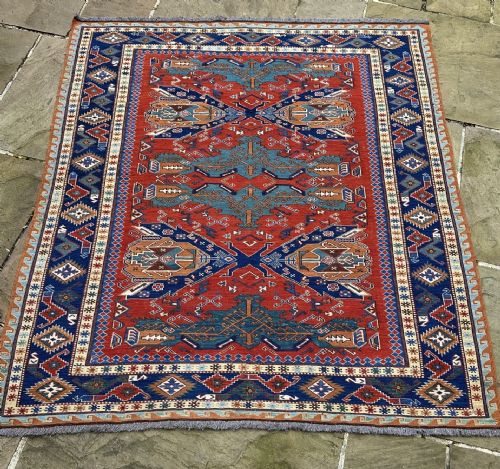
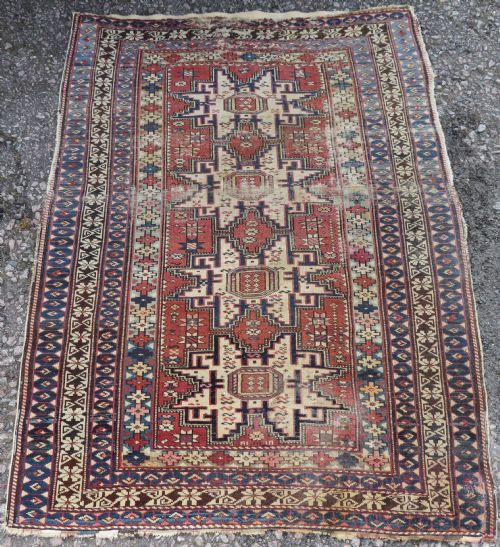
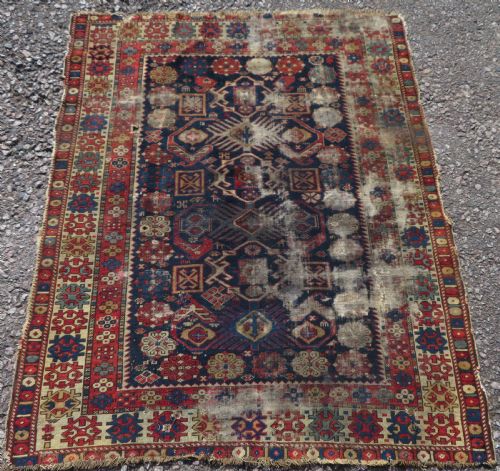
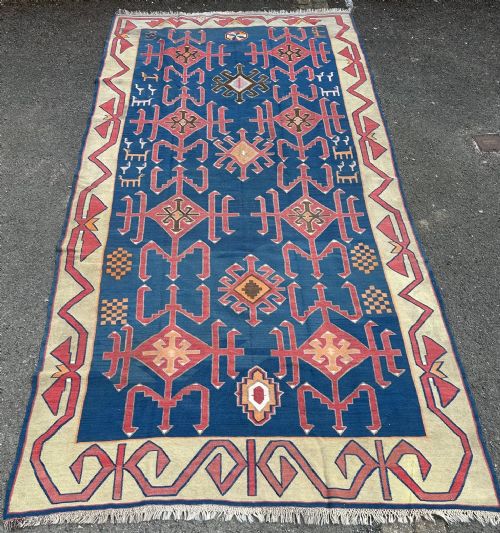
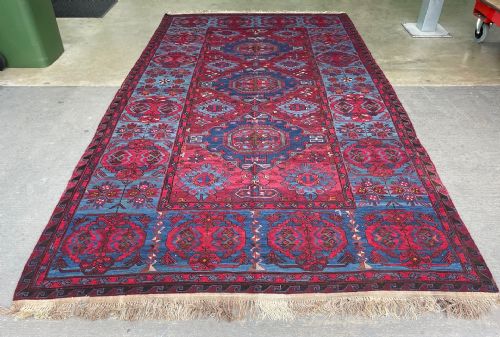
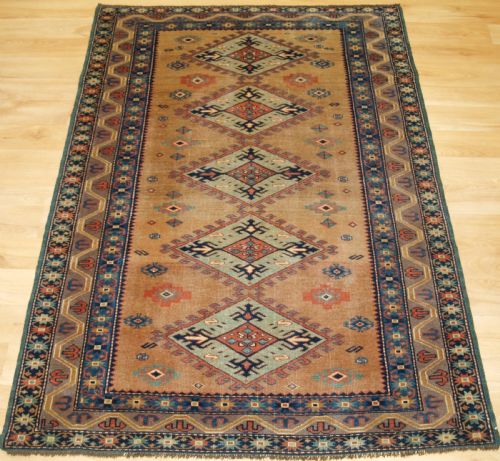
A daghestan oriental rug belongs to the rich weaving traditions of the Caucasus, spanning periods from the Victorian era through the late nineteenth and mid twentieth centuries. Buyers encounter various distinct regional forms on this page, including traditional pile rugs, flat-weave kilims, and intricate soumak carpets.
The aesthetic is distinctly Caucasian and tribal, featuring structured geometric motifs and regional designs associated with specific groups such as the Avar and Lesghi tribes. These pieces function primarily as area rugs and floor coverings, bringing historical depth and authentic textile artistry to domestic spaces.
How they were made
Weavers constructed these textiles using durable wool combined with natural dyes to create enduring surfaces. The methods encompass both pile knotting and flat-weave techniques, including soumak wrapping.
Regional workshops and tribal makers utilised precise structural methods that resulted in fine weaves and sturdy flat-weaves. Natural dyeing processes produced the soft colours characteristic of older examples.
Daghestan Oriental Rug Retail Price Guide 2026
Typical asking prices for daghestan oriental rug among the pieces listed under this phrase on Sellingantiques today, from the lower quarter to the upper quarter. They describe what is for sale here now, not the wider market.
Some antique rugs show charming irregularities where the weaver adjusted a geometric motif halfway across the loom.
What varies in quality
Quality in a daghestan oriental rug relates to the tightness of the weave and the complexity of the regional design execution. Finer weaves and carefully preserved natural dyes distinguish superior examples from simpler productions.
The condition of the wool pile or flat-weave structure heavily influences the overall standard. Pieces retain different degrees of wear and distress, which impacts their visual texture and structural integrity.
The Daghestan Oriental Rug Glossary
- Soumak
- A flat-weave technique where the coloured threads are wrapped over the warp threads before being carried across to the next. This creates a textured surface resembling embroidery on the front and loose floats on the back.
- Kilim
- A flat-woven carpet or rug produced without a pile by tightly interweaving warp and weft strands. These textiles offer a smooth, thin profile well suited to various floor spaces.
- Pile
- The vertical tufts of wool that form the soft, dense surface of a knotted rug. It provides both cushioning underfoot and protection for the foundational structure beneath.
- Natural Dyes
- Colourants derived from plant, insect, and mineral sources rather than synthetic chemicals. They age gracefully, developing subtle patinas over decades of exposure.
- Prayer Rug
- A small rug featuring a mihrab or niche design used historically for ritual daily prayers. The pointed arch motif directs the focal point of the textile during use.
Daghestan Oriental Rug: Frequently Asked Questions
What is a daghestan oriental rug?
A daghestan oriental rug is a traditional hand-woven textile originating from the Caucasus region. These pieces showcase distinctive regional designs and tribal patterns.
They encompass pile rugs, flat-weaves, and soumak carpets dating from the Victorian era into the twentieth century. Each piece reflects the specific heritage of weavers from areas like the Eastern and North-Eastern Caucasus.
How do I care for a daghestan oriental rug?
Living with these textiles requires gentle maintenance to preserve the natural wool and traditional dyes. Regular light vacuuming without a beater bar prevents dust accumulation.
Professional cleaning tailored to antique wool is essential for deeper maintenance. Placing the rug out of direct harsh sunlight helps protect the natural colour palette over time.
How were these rugs constructed?
Weavers utilised sturdy wool foundations combined with natural dye methods to produce these floor coverings. The manufacturing techniques range from knotted pile to flat-weave and soumak structures.
Regional workshops and tribal groups applied precise structural methods that created varied textures. This variety includes fine weaves with soft colours and heavily textured flat-weave kilims.
What styles are common in these rugs?
The predominant styles are Caucasian and Caucasian tribal, characterised by strong geometric layouts and symbolic motifs. Specific regional traditions include Chichi style designs and Lesghi patterns.
Subtle variations in regional aesthetics reflect the distinct heritage of different local tribes. These range from structured prayer rug formats to expansive decorative carpet compositions.