



Cut Glass Smelling Bottle
A cut glass smelling bottle is a pocket companion for volatile salts, prized for both intricate hand-cutting and precious metal mounts.
Cut Glass Smelling Bottle
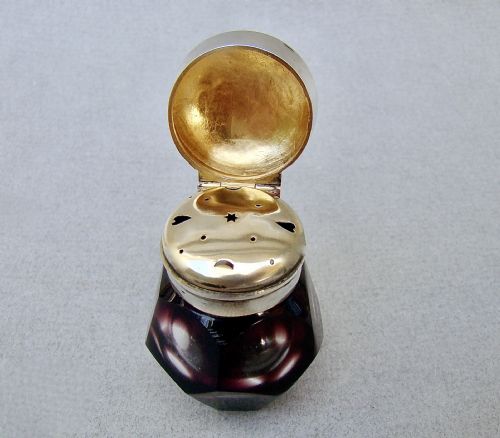
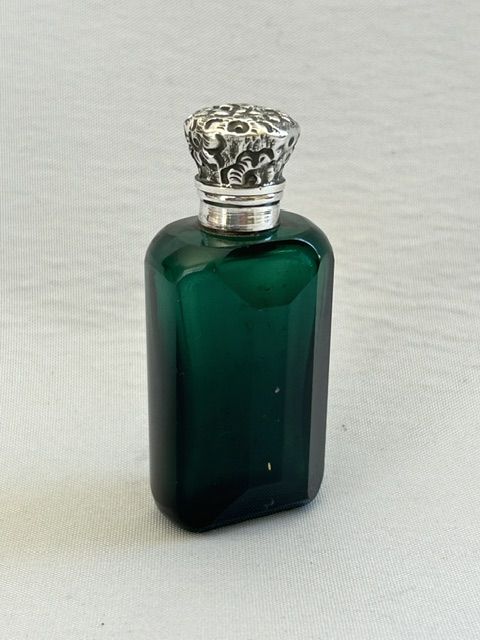
A cut glass smelling bottle combines functional nineteenth century design with decorative glassware and hallmarked silver mounts. The pieces available here belong predominantly to the Victorian period, spanning the mid to late nineteenth century.
Forms range from single vessels in ruby, amethyst and Bristol green glass to double-ended perfume flasks and miniature liquor bottles. Collectors frequently encounter examples bearing silver-gilt details or engraved sterling silver caps alongside patterned glass bodies.
Origins trace back to nineteenth century British workshops, with specific maker marks such as S. Morden & Co appearing on select items. These portable accessories reflect the social habits of the Victorian era, designed to hold reviving salts or liquid scents.
How they were made
Glassmakers utilised heavy lead crystal and coloured glass types including amethyst, ruby and green variants, shaping them through deep cutting and delicate etching. The exterior surfaces feature crisp geometric facets or floral motifs cut directly into the thick glass body.
Silversmiths complemented the glassware with cast, chased and engraved sterling silver mounts, screw caps or hinged lids. Overlay glass techniques and silver-gilt finishes provided additional layers of ornamentation to the miniature bottles.
Cut Glass Smelling Bottle Retail Price Guide 2026
Typical asking prices for cut glass smelling bottle among the pieces listed under this phrase on Sellingantiques today, from the lower quarter to the upper quarter. They describe what is for sale here now, not the wider market.
Some miniature bottles doubled as discreet liquor flasks for the pocket.
What varies in quality
The distinction between standard examples and finer pieces lies in the crispness of the glass cutting and the weight of the metal mounts. Deep, clean facets catch the light sharply, whereas worn or shallow cutting lacks the same optical brilliance.
Comprehensive hallmarking and maker marks contribute significantly to an item's standing, alongside the depth and clarity of hand-engraved detail on the silver caps. The survival of rich glass colours, such as deep amethyst or ruby, maintains the visual impact of the piece.
S. Morden & Co
The Cut Glass Smelling Bottle Glossary
- Vinaigrette
- A small ornamental box or bottle with a pierced inner grille, used to hold a sponge soaked in aromatic vinegar. This accessory was carried by Victorians to ward off unpleasant odours.
- Double Ended
- A symmetrical bottle configuration featuring two separate caps, allowing the user to carry two different liquids or salts in a single vessel.
- Silver-Gilt
- Silver that has been coated with a thin layer of gold, providing a rich yellow lustre over the metal mounts.
- Overlay Glass
- A technique where a layer of coloured glass is fused over a clear or contrasting glass body before being cut away to reveal the design underneath.
- Bristol Green
- A deep, rich green glass traditionally produced in the Bristol area during the eighteenth and nineteenth centuries.
Cut Glass Smelling Bottle: Frequently Asked Questions
What were cut glass smelling bottles used for?
These vessels held smelling salts or volatile compounds, which Victorians inhaled to relieve fainting or dizziness in crowded rooms.
They served as personal accessories carried in pockets or handbags, combining practical utility with ornate craftsmanship.
How do I date a Victorian scent bottle?
Dating relies on stylistic clues, glass colours, and particularly the silver hallmarks stamped on the metal mounts. Maker marks and assay office symbols provide precise chronological markers.
Mid-Victorian examples often feature heavy cut glass and distinct floral engravings, while later nineteenth century pieces showcase varied overlay techniques.
How should I display these bottles at home?
Displaying these items involves placing them on mirrored trays or near natural light sources to highlight the deep tones of the ruby, green and amethyst glass. Secure shelving prevents accidental tipping of these miniature objects.
Keeping them away from direct heat protects the integrity of the antique glass and silver mounts.