




Cut Glass Perfume Jar
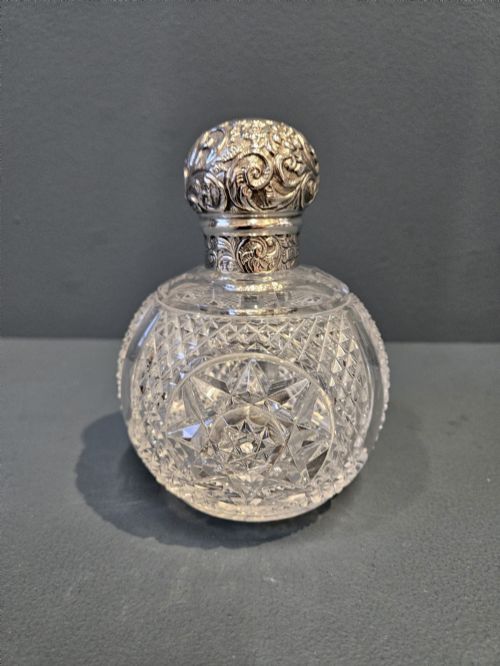
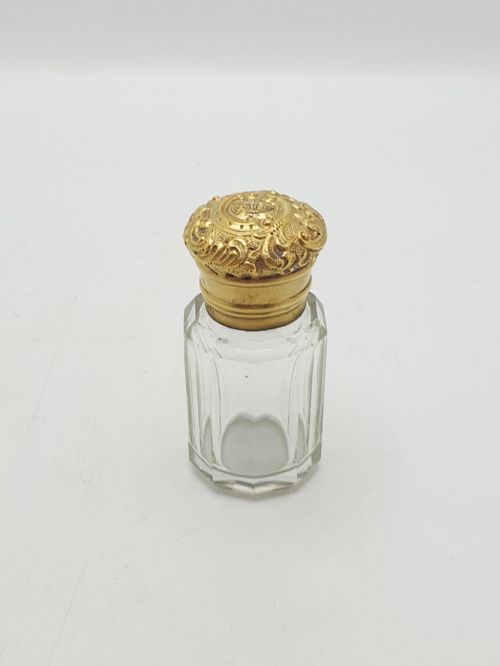
These cut glass perfume jar examples bring heavy faceted crystal and precious metal mounts together from the Victorian, Edwardian, and Art Deco eras.
Cut Glass Perfume Jar
A cut glass perfume jar serves as a dressing table accessory or travel vessel, combining heavy faceted crystal with metal or organic lids. When searching for a cut glass perfume jar, buyers encounter forms ranging from globular scent bottles to tall jars and vanity sets.
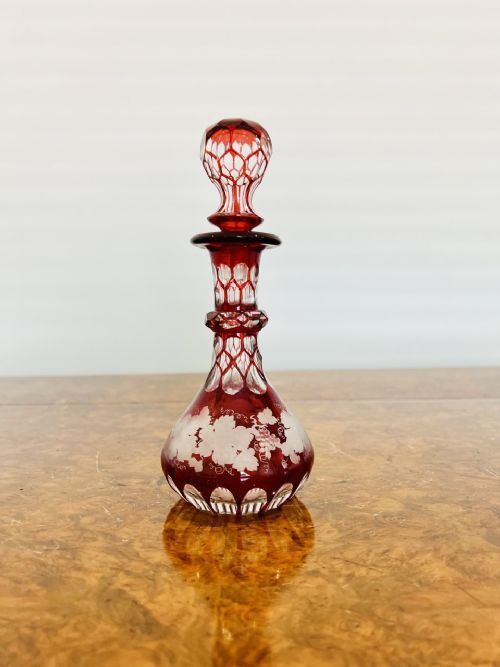
The pieces on this page span the Victorian, Edwardian, and Art Deco periods, originating from the mid-nineteenth century through the 1930s. Most examples pair clear or coloured glass with sterling silver, silver-gilt, enamel, or tortoiseshell mounts.
Materials and construction
Makers shaped the vessels from cut glass or cut crystal, employing deep wheel-cutting to create geometric facets that catch the light. The bodies are paired with sterling silver or silver-gilt tops, often bearing English hallmarking from Birmingham or London.
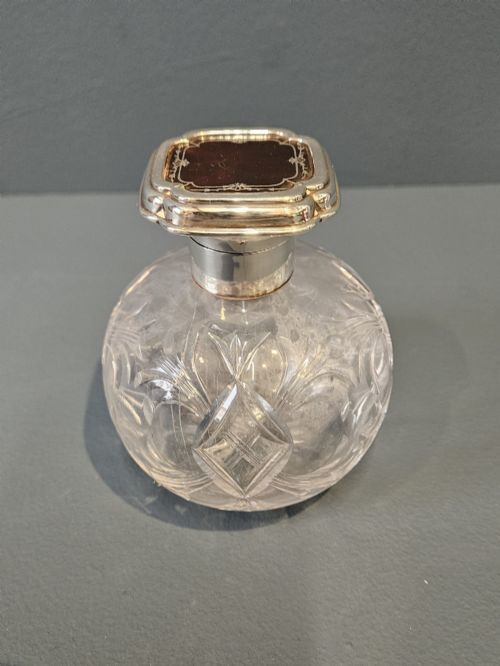
Selected pieces incorporate decorative elements such as guilloche enamel, tortoiseshell panels, or amethyst-tinted glass. Lids fit securely over glass collars or inner stoppers, completing the functional vanity accessory.
Cut Glass Perfume Jar Retail Price Guide 2026
Typical asking prices for cut glass perfume jar among the pieces listed under this phrase on Sellingantiques today, from the lower quarter to the upper quarter. They describe what is for sale here now, not the wider market.
Listings span from eighteen-sixty to nineteen-thirty, covering Victorian, Edwardian, and Art Deco styles.
Evaluating the craftsmanship
Quality rests in the crispness of the glass cutting and the weight of the crystal body. Superior examples feature deep, sharp facets and substantial metal mounts rather than thin pressed glass and light gauge silver.
The integration of secondary materials like tortoiseshell or guilloche enamel distinguishes finer pieces. Crisp hallmarking and intact internal stoppers further elevate the standing of an individual jar.
Henry Perkins·Barnsley and Co
The Cut Glass Perfume Jar Glossary
- Cut crystal
- High-lead glass that is deeply faceted by a stone wheel to maximise brilliance and light refraction.
- Guilloche enamel
- Decorative metalwork covered in translucent enamel over an engine-turned mechanical pattern.
- Silver-gilt
- Sterling silver that has been plated with a thin layer of gold on the surface.
- Hallmark
- A series of official marks stamped on precious metals indicating the assay office, metal purity, and date.
Cut Glass Perfume Jar: Frequently Asked Questions
How do I date a cut glass perfume jar?
Dating relies primarily on the metal hallmarks stamped on the silver lids, which indicate the assay office and year of production. Stylistic details such as Edwardian proportions or Art Deco enamel patterns also point to specific eras.
The integration of materials like tortoiseshell and amethyst glass further helps place pieces within the Victorian and early twentieth-century periods.
What is the difference between a scent bottle and a vanity jar?
Scent bottles are typically designed to hold liquid perfume, often featuring secure screw caps, hinged lids, or internal glass stoppers to prevent leaks. Vanity jars and dressing table accessories usually have wider, lift-off lids intended for powders or creams.
Both forms share the characteristic heavy cut glass bodies and precious metal mounts found across the period.
Are the inner stoppers usually present?
Many surviving examples retain their original internal glass or crystal stoppers beneath the outer metal lid, though some rely solely on the fitted cap. The presence of an inner stopper maintains the original utility of the piece.
Buyers examining these items will find variations in closure types depending on whether the vessel held liquid cologne or dry dressing table preparations.
How should I clean silver mounts on old glass?
Cleaning requires keeping polish away from the glass and any enamel or tortoiseshell panels to avoid chemical damage. A soft cloth applied gently to the sterling silver lid preserves the hallmarks and metal finish.
For the glass body, warm soapy water removes dust without harming the facets or vintage mounts.