



Cut Glass Open Salts
Cut glass open salts bring sparkle to a table, combining clear crystal bowls with polished silver or carved wood.
Cut Glass Open Salts
Cut glass open salts are small tabletop vessels designed to hold loose salt for individual diners before shaker use became common. You will frequently encounter Victorian and Georgian examples alongside twentieth-century pieces on this page.
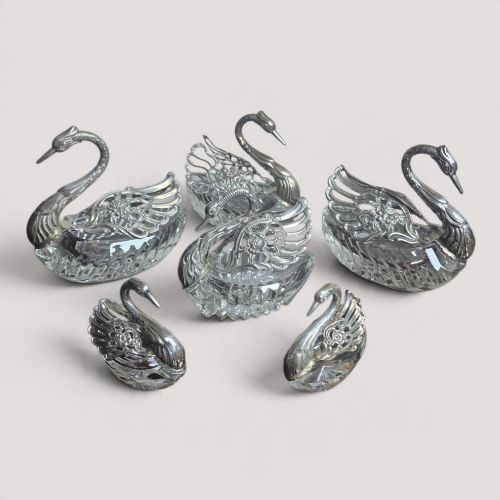
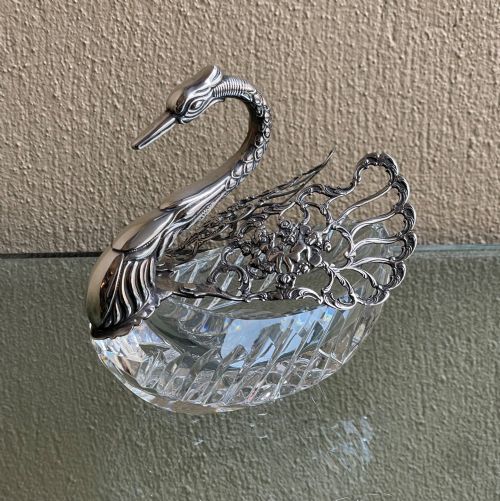
The forms range from simple glass bowls to elaborate animal novelties and fitted saucers. Makers utilised clear crystal and cut glass alongside sterling silver, silver plate, and carved wood to create these decorative tableware items.
Continental silver and traditional European influences appear across various pieces, showing distinct regional tastes. Surviving sets often include pairs or trios, reflecting how they were originally set out for guests.
Materials and construction
The primary bodies utilise lead crystal and cut glass, shaped with deep facets and geometric or draped swag designs. Artisans cut the glass patterns by hand before polishing the surfaces to a high clarity.
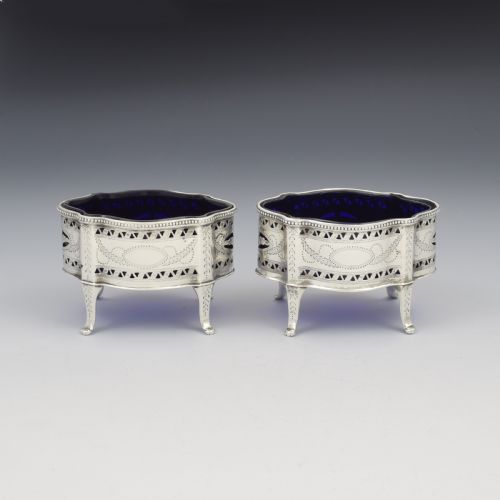
Metal mounts, rims, and hinged elements employ sterling silver and silver plate, often featuring pierced work or hallmarking. Some novelty pieces incorporate carved wood, particularly in animal forms like bears holding condiment vessels.
Cut Glass Open Salts Retail Price Guide 2026
Typical asking prices for cut glass open salts among the pieces listed under this phrase on Sellingantiques today, from the lower quarter to the upper quarter. They describe what is for sale here now, not the wider market.
Materials documented across the inventory include cut glass, lead crystal, sterling silver, silver plate, and carved wood.
Assessing quality
Quality rests upon the crispness of the glass cutting and the weight of the crystal. Sharper facets catch the light more effectively, distinguishing finer table services from simpler production.
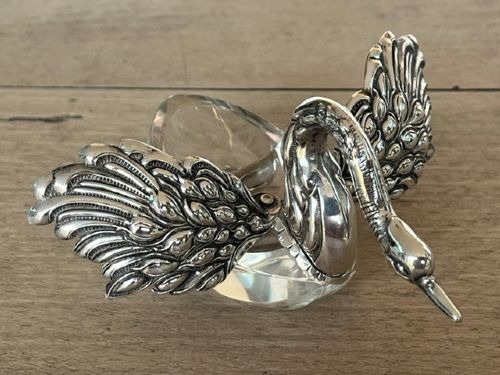
The integration of metal components matters greatly. Solid sterling silver mounts with clear hallmarks elevate a piece above standard silver plate, just as articulated moving wings on novelty bird salts indicate higher craftsmanship.
The Cut Glass Open Salts Glossary
- Open salt
- A small vessel designed to hold salt on the dining table, used before the invention of salt shakers. Diners took pinches from the bowl using fingers or a tiny spoon.
- Cut glass
- Glass decorated by grinding designs into the surface using rotating wheels. The process creates deep facets that refract light.
- Hallmark
- An official stamp applied to precious metals indicating purity and origin. British silver carries symbols for the assay office, maker, and standard.
- Silver plate
- A base metal coated with a thin layer of silver. This technique offered the appearance of solid silver at a lower cost.
- Novelty salt
- A condiment container shaped to resemble an animal, figure, or object rather than a standard bowl. These pieces combined utility with playful ornament.
Cut Glass Open Salts: Frequently Asked Questions
How were cut glass open salts used?
Diners used them at the dinner table to hold grains of salt before shakers became common. Guests took a pinch using their fingers or a dedicated salt spoon.
They sat beside each place setting or were shared between guests in small sets. Hosts matched them to the formality of the meal using crystal and silver designs.
How do I clean cut glass?
Wash the glass in warm, soapy water using a soft cloth to protect the surface. Avoid harsh abrasives that might scratch the lead crystal.
Dry them immediately with a lint-free cloth to maintain clarity. Keep silver components separate from harsh cleaning liquids to preserve the metal finish.
How do I identify a Georgian salt?
Georgian pieces often display heavier lead crystal with distinct hand-cut facets. They frequently appear alongside fitted saucers or traditional geometric motifs.
Examine the base for signs of age, such as rough pontil marks where the glassblower's rod was detached. The styling follows neoclassical or early nineteenth-century decorative trends.
Are these pieces safe for daily use?
You can use them for dining, though older crystal requires careful handling. Hand washing preserves the delicate cut facets and silver mounts.
Many collectors prefer to display them as part of a table setting or cabinet collection. Their small size makes them versatile for holding modern condiments or small trinkets.