







Cut Glass Bedside Light
A cut glass bedside light brings heavy sparkle and weight to a room, turning practical evening lighting into a display of polished facets.
Cut Glass Bedside Light
A cut glass bedside light takes the form of a table lamp, designed to sit on a surface and cast patterned illumination through heavy, faceted glass or crystal reservoirs and columns. These pieces span from the mid nineteenth century through the Victorian and Edwardian eras into the Art Deco period and the mid twentieth century.
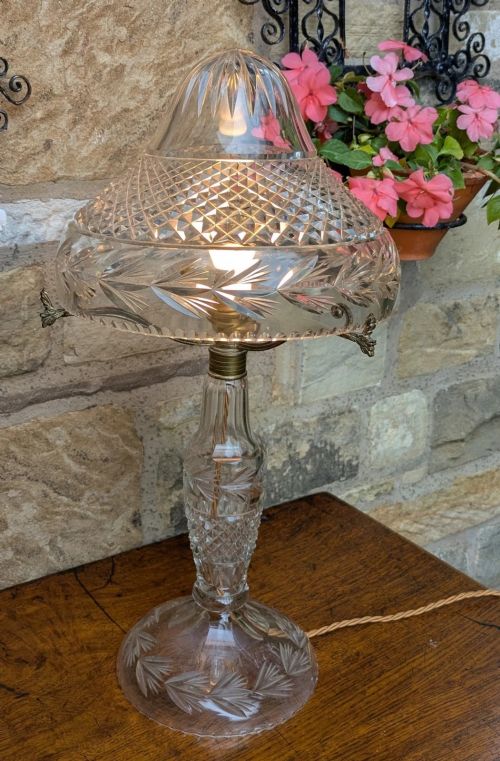
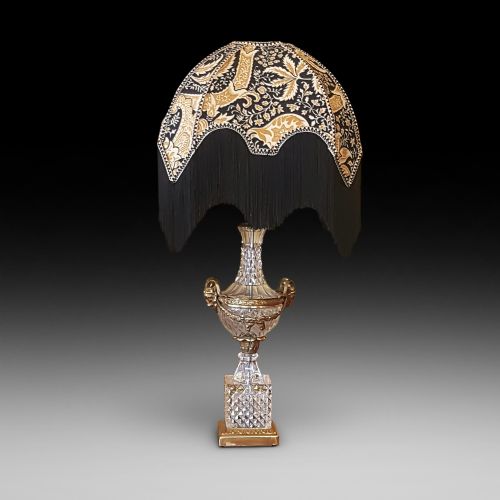
You are most likely to encounter sturdy brass and ormolu columns paired with cut crystal bodies, alongside distinctive mushroom shaped glass profiles. English and French workshops produced these designs using quality materials, resulting in both single lamps and matching pairs suited for bedroom placement.
Materials and construction
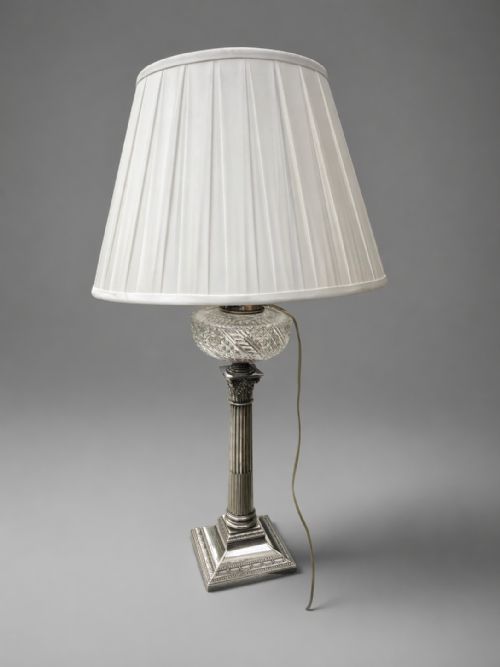
Makers built these lamps using heavy lead crystal and cut glass combined with cast brass, gilt bronze, and ormolu mounts. The glass elements feature deep wheel cut facets that catch and refract light, while the metal components provide structural stability through classical Corinthian columns and stepped bases.
Workshops shaped the glass bodies by hand before mounting them securely onto metal stems and brass fittings. Fabric shades frequently top these assemblies, softening the directional glow produced by the internal bulb arrangements.
Cut Glass Bedside Light Retail Price Guide 2026
Typical asking prices for cut glass bedside light among the pieces listed under this phrase on Sellingantiques today, from the lower quarter to the upper quarter. They describe what is for sale here now, not the wider market.
Materials recorded include lead crystal, ormolu, brass, and fabric, taking the form of table lamps.
Qualities of distinction
The distinction between standard examples and finer pieces lies in the crispness of the glass cutting and the weight of the metal mounts. Deep, sharp facets in lead crystal reflect light with greater clarity than softer, pressed glass alternatives.
Heavier cast brass and detailed ormolu or gilt bronze mounts indicate superior workshop production. Matched pairs and monumental proportions further separate standard bedroom lighting from more ambitious decorative objects.
The Cut Glass Bedside Light Glossary
- Cut crystal
- High clarity glass with a high lead content, allowing for deep, sharp facets that refract light brilliantly. It provides the heavy, cold feel characteristic of better pieces.
- Ormolu
- Gilt bronze created by applying a finely ground high karat gold mercury amalgam to a bronze object. The technique produces a rich, durable golden surface seen on French mounts.
- Corinthian column
- A classical architectural column style featuring an ornate capital decorated with acanthus leaves. Many nineteenth century lamps adopt this form for their brass stems.
- Mushroom lamp
- A lamp style featuring a rounded, domed glass shade that resembles a mushroom cap. These designs frequently date from the Art Deco period.
Cut Glass Bedside Light: Frequently Asked Questions
What periods do these lamps come from?
The selection spans from the mid nineteenth century through the Victorian and Edwardian eras into the Art Deco period and the mid twentieth century.
Earlier examples from the 1850s and 1860s often feature blue glass or heavy brass mounts, while 1930s pieces favour mushroom shapes and streamlined crystal profiles.
Are pairs common for bedside use?
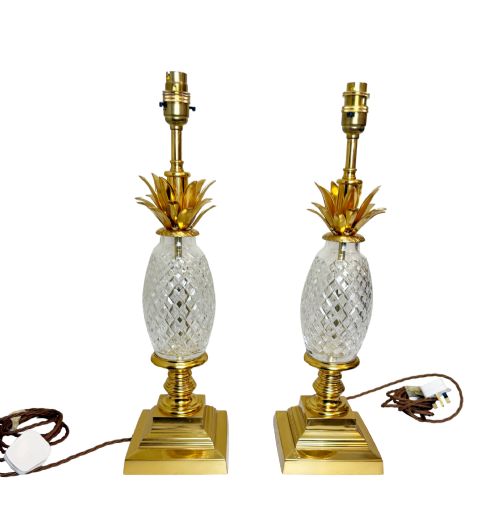
Matched pairs appear frequently across different decades, offering symmetry for twin bedside tables. These sets often combine cut crystal bodies with gilt bronze or ormolu mounts.
Single lamps also feature prominently in the selection, allowing for individual placement on smaller surfaces.
What metals are used in the bases?
Bases and columns incorporate cast brass, gilt brass, ormolu, and gilt bronze. These metals provide the necessary weight to support heavy glass reservoirs.
Many nineteenth century examples utilise classical Corinthian column designs rendered in polished brass.
How do I identify a mushroom lamp?
Mushroom lamps feature a distinctive rounded, domed glass shade that sits directly over the bulb configuration. They often date from the 1930s and showcase smooth or cut crystal surfaces.
Twin bulb configurations sometimes support these larger glass domes.