





Cut Crystal Flacon
A cut crystal flacon is a dressing table essential that brings brilliance and refined proportion to daily vanity.
Cut Crystal Flacon
A cut crystal flacon is a vessel designed for holding scent, combining faceted glass with decorative mounts. When you search for a cut crystal flacon, you encounter vessels that served personal toiletry needs across the nineteenth and twentieth centuries.
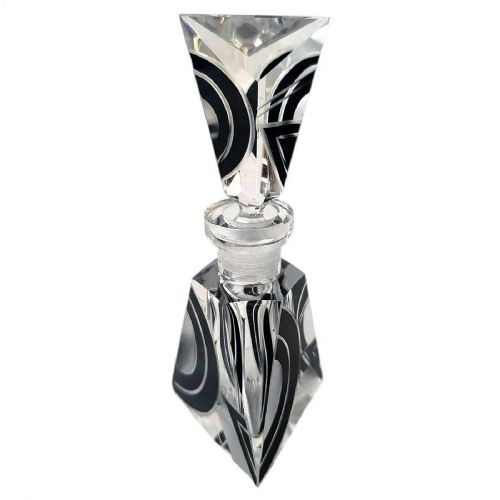
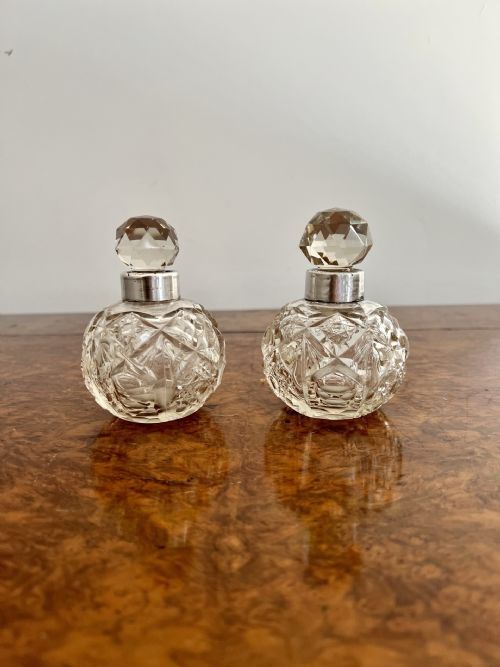
The selection ranges from Victorian ruby glass and lead crystal to geometric Art Deco pieces originating from the Czech Republic. Many examples feature sterling silver collars, silver tops, or enamel detailing that mark their transition from utilitarian objects to dressing table display pieces.
Materials and Working Methods
These pieces rely on heavy lead crystal or cut glass shaped by wheel-cutting to create facets that catch the light. The glass body is frequently paired with sterling silver mounts, collars, or hinged lids often assayed in Birmingham during the Edwardian period.
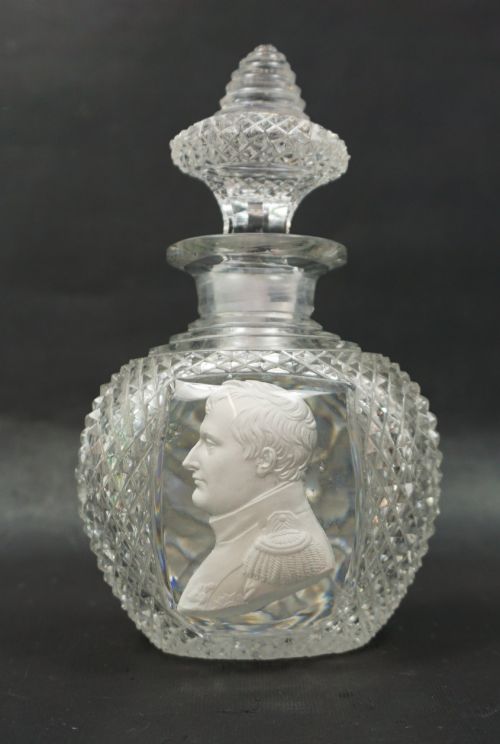
Decoration extends to applied colour, including blue and black enamel, alongside detailed sulphide portraits embedded within the crystal. Artisans also utilised tortoiseshell in mounting work, combining organic warmth with cold, reflective glass.
Cut Crystal Flacon Retail Price Guide 2026
Typical asking prices for cut crystal flacon among the pieces listed under this phrase on Sellingantiques today, from the lower quarter to the upper quarter. They describe what is for sale here now, not the wider market.
Napoleon watches over certain Victorian dressing tables in the form of a tiny sulphide portrait sealed inside solid crystal.
Distinctions in Execution
Quality rests in the crispness of the glass cutting and the weight of the crystal used in the body. Deeper, sharper facets demonstrate superior hand-polishing and greater material density.
The integration of metalwork dictates the overall standard of the piece. Sterling silver collars and hinged tops that fit flush without play indicate careful assembly by skilled silversmiths.
Karl Palda
The Cut Crystal Flacon Glossary
- Flacon
- A small stoppered bottle designed for perfume or scent. It forms the primary vessel type in this category.
- Sulphide
- A small ceramic plaque embedded within crystal during manufacture. It produces a cameo-like silver-grey portrait effect.
- Sterling Silver
- An alloy of silver containing 92.5 percent pure silver by mass. It is commonly found on collars and lids of these bottles.
- Lead Crystal
- Glass containing lead oxide to increase brilliance and weight. This material allows for deeper, sharper facet cutting.
Cut Crystal Flacon: Frequently Asked Questions
What is a cut crystal flacon?
A cut crystal flacon is a decorative glass bottle designed for holding perfume, featuring faceted geometric or floral surface patterns. These vessels were kept on dressing tables and boudoir trays.
They often incorporate precious metal mounts, silver collars, or enamel work. The form spans multiple decades, from heavy Victorian lead crystal to sleek Art Deco designs.
How do I date a scent bottle?
Dating relies heavily on hallmarks stamped onto silver collars or tops, which reveal the assay office and year of production. Stylistic markers such as geometric Art Deco cuts or Victorian ruby glass also indicate the era.
Manufacturers often utilised distinct colour palettes and mounting techniques specific to periods like the Edwardian era or the 1930s. Examining the depth of the glass cutting provides further context for age.
What are these bottles made of?
The body consists of cut glass, crystal, or lead crystal, sometimes tinted in ruby or other shades. Mounts and collars are typically fashioned from sterling silver.
Additional materials include enamel, tortoiseshell, and embedded ceramic sulphides. Each component reflects the prevailing decorative tastes of its manufacturing period.
How were scent bottles used?
These vessels held liquid fragrances and colognes for personal grooming and daily toilette. They stood upon dressing tables for easy access during the morning routine.
The stoppers or silver-topped caps kept the volatile contents sealed when not in use. Their decorative qualities also made them objects of display in private chambers.