

Cut Crystal Fixture
A cut crystal fixture brings genuine sparkle and presence to a room, catching the light in a way modern reproductions simply cannot manage.
Cut Crystal Fixture
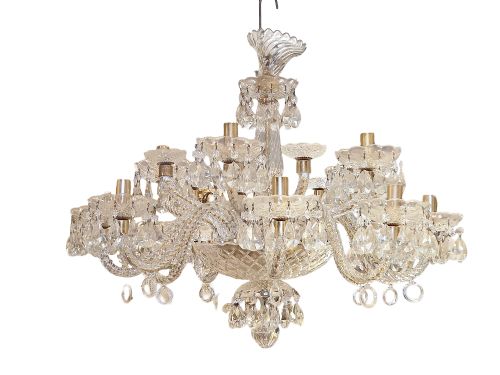
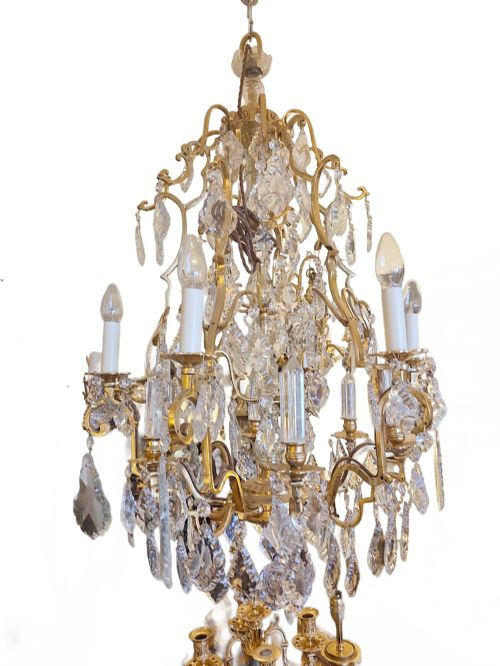
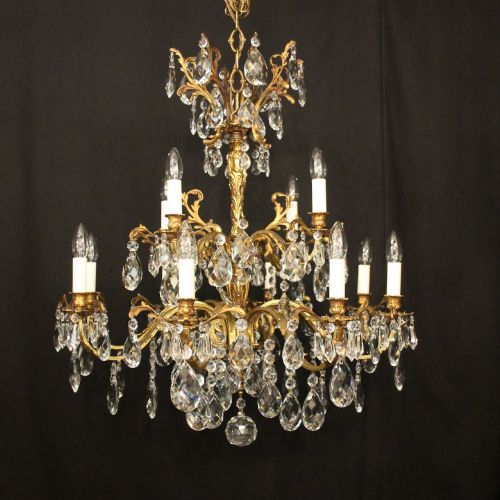
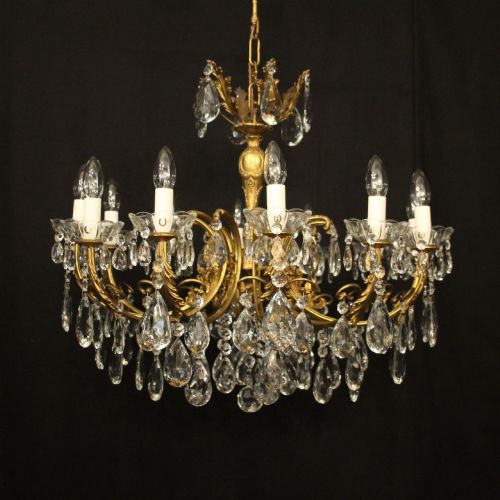
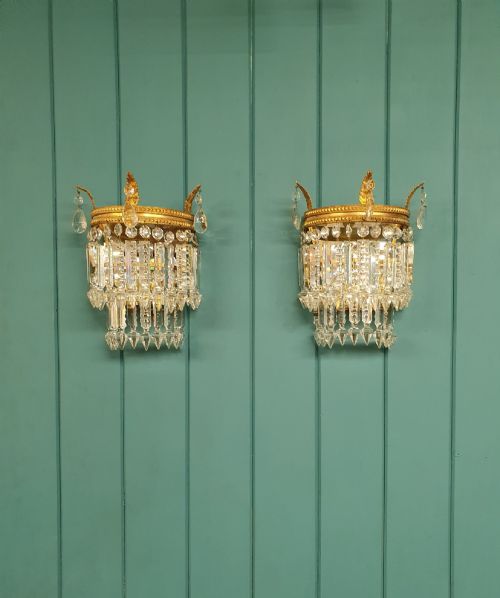
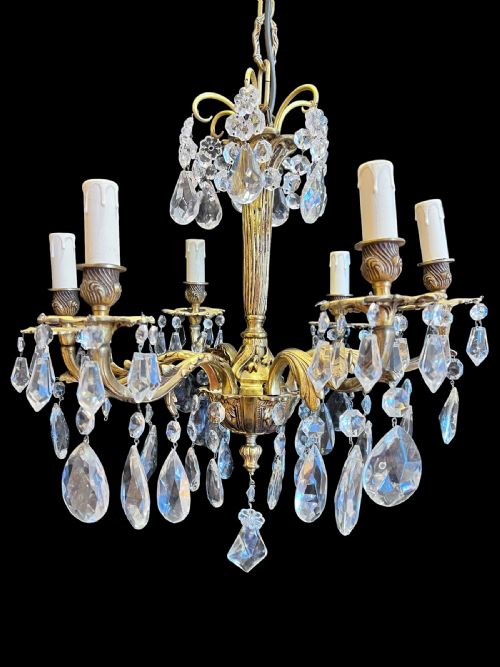
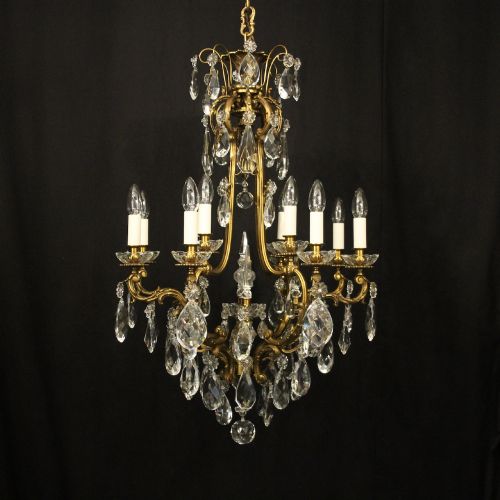
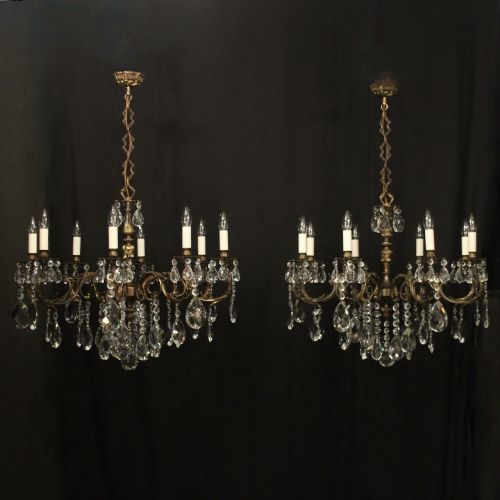
When you search for a cut crystal fixture, you encounter grand multi-tiered chandeliers, wall lights, and ceiling fittings designed to illuminate large spaces. The selection spans the nineteenth century through to the mid-twentieth century, with French and Italian influences appearing frequently across the inventory.
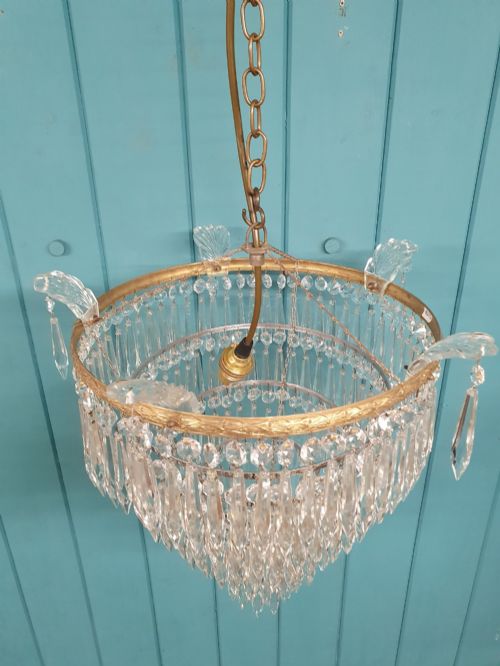
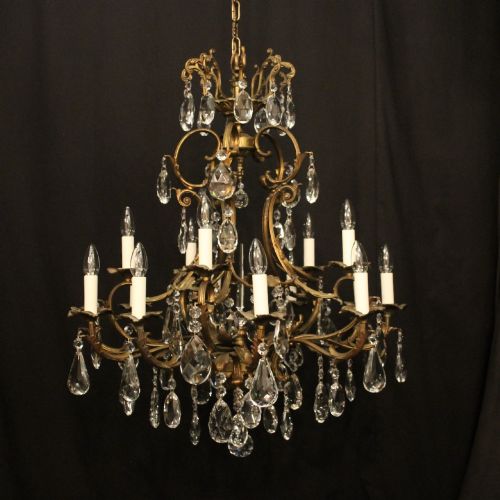
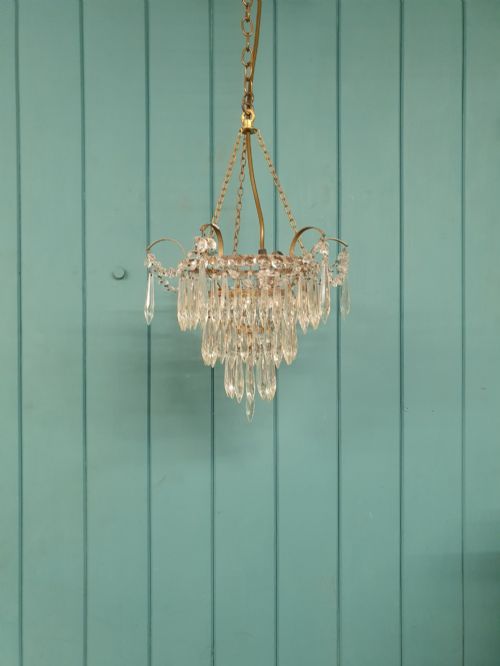
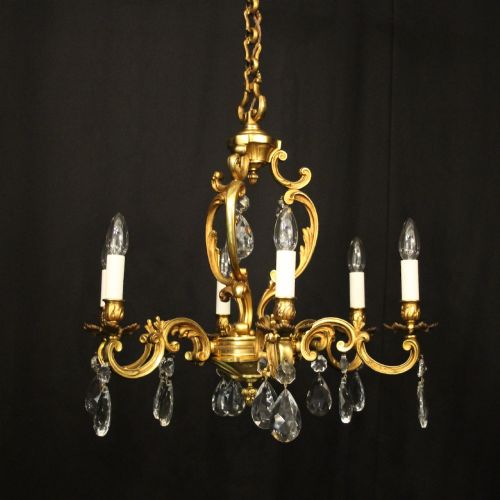
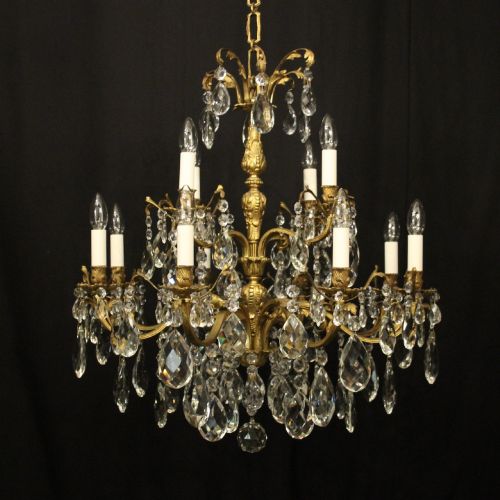
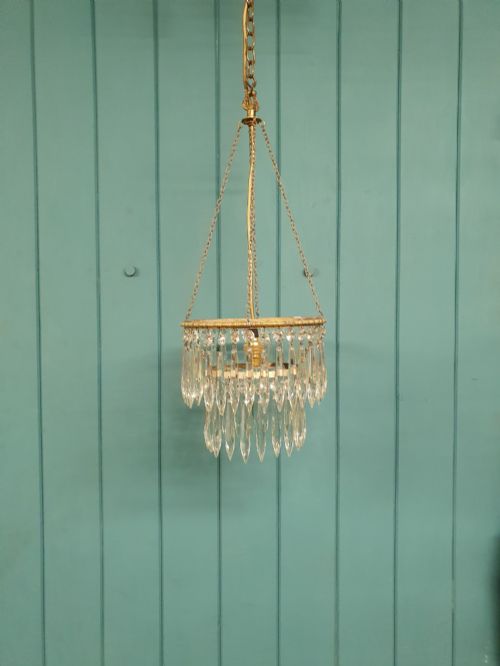
The most common pieces you meet on this page are French chandeliers dating from the nineteen-twenties and nineteen-thirties, often featuring multiple arms and elaborate glass drops. Alongside these, Edwardian ceiling lights and spike chandeliers provide smaller scale alternatives for rooms with lower ceilings.
Materials and construction methods
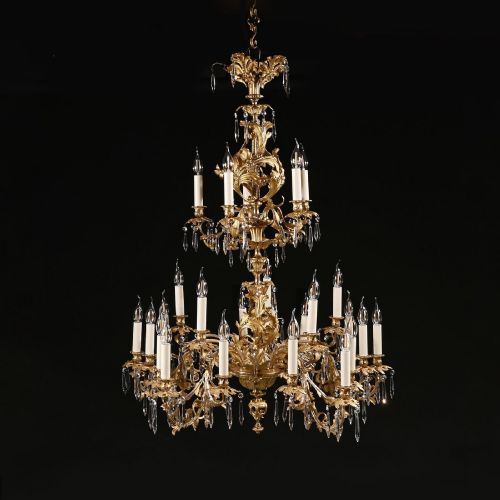
These fixtures rely on heavy metal frames cast in brass, bronze, or ormolu, which provide the structural strength needed to support dozens of glass drops. Metal surfaces are frequently gilded or finished with fine chased details, giving the structural skeleton a rich decorative presence.
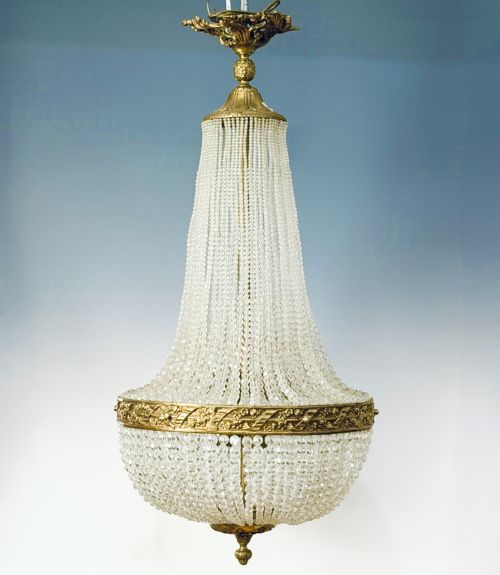
The luminous elements consist of cut glass and crystal components, ranging from simple tent strands to intricate bag chandeliers and lustres. Individual pieces are wired or pinned to the metal framework by hand, allowing the light to refract through faceted surfaces.
Cut Crystal Fixture Retail Price Guide 2026
Typical asking prices for cut crystal fixture among the pieces listed under this phrase on Sellingantiques today, from the lower quarter to the upper quarter. They describe what is for sale here now, not the wider market.
Listings feature pieces from the nineteenth century, Edwardian era, and the nineteen-twenties and nineteen-thirties.
Assessing quality and craftsmanship
The difference between standard examples and superior work lies in the depth of the metal casting and the precision of the glass cutting. Finer pieces display crisp hand-cut facets on every crystal drop and substantial metal mounts rather than light pressed brass.
Design complexity also marks out the better examples, such as those incorporating figural elements like lion masks, porcelain flowers, or tiered tent structures. A cohesive composition where the metal armature and crystal arrangement balance harmoniously denotes superior production.
The Cut Crystal Fixture Glossary
- Plafonnier
- A ceiling-mounted light fixture that sits flush or very close to the ceiling surface. This form suits spaces requiring direct downward illumination without a hanging drop.
- Tent and bag chandelier
- A lighting design featuring an upper tent of strung crystals above a gathered bag-shaped lower section. This configuration creates a dense cascade of faceted glass.
- Ormolu
- Gilded bronze used for decorative mounts and structural arms on finer lighting pieces. The technique provides a deep, warm metallic sheen.
- Spike chandelier
- A narrow, vertically proportioned hanging light fixture reminiscent of a spike or icicle form. These compact pieces suit smaller rooms and hallways.
Cut Crystal Fixture: Frequently Asked Questions
How do I hang a heavy crystal chandelier?
These fixtures require professional installation involving a secure ceiling joist and a substantial mounting hook to support the considerable weight of the metal frame and glass drops.
An electrician should handle the internal wiring, particularly when adapting older French and Italian fittings to modern safety standards.
What rooms suit a cut crystal fixture?
Grand multi-arm chandeliers find a natural home in dining rooms, entrance halls, and high-ceilinged reception spaces where they provide a striking focal point.
Smaller spike chandeliers and wall lights work well in bedrooms, corridors, or intimate drawing rooms to add gentle ambient illumination.
How do I clean cut crystal?
Routine maintenance involves gentle dusting with a soft feather duster or microfiber cloth while the fixture hangs in place.
For a deeper clean, remove the individual crystal drops and wash them in warm soapy water before drying them thoroughly with a lint-free cloth.
How can I tell the period of a chandelier?
Dating relies on examining the casting techniques, the style of the metalwork, and the specific cut of the glass drops.
Edwardian and early twentieth-century pieces often display characteristic French rococo revival motifs or simpler geometric tent arrangements distinct from nineteenth-century work.