



Curved Occasional Table
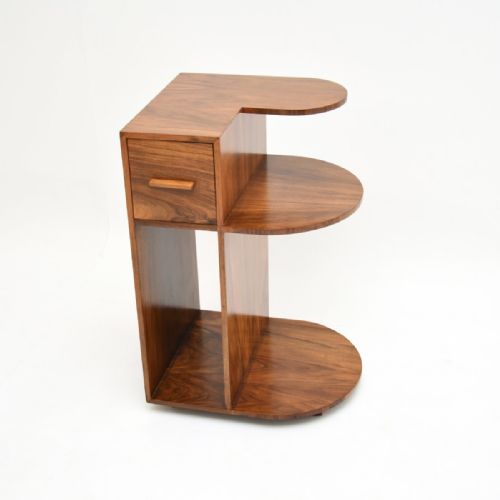
A curved occasional table offers fluid lines and compact utility, bringing distinct character to any reception room.
Curved Occasional Table
A curved occasional table brings fluid shapes into daily living spaces, serving specific functions beside seating or in corners. These pieces emerge across varied eras, spanning Georgian forms through to Art Deco designs.
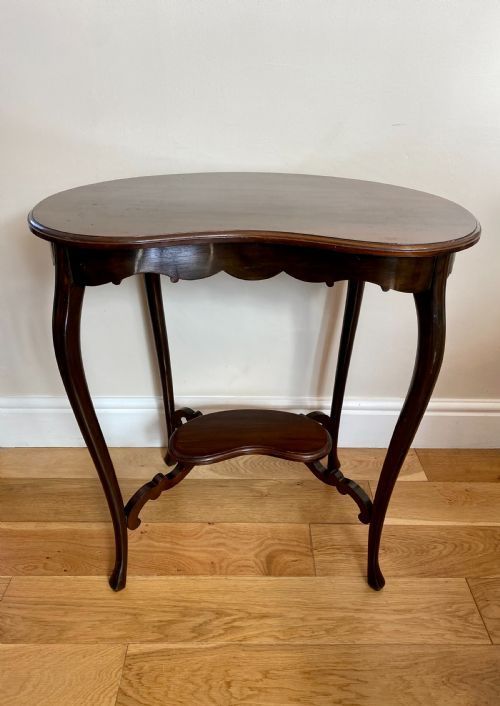
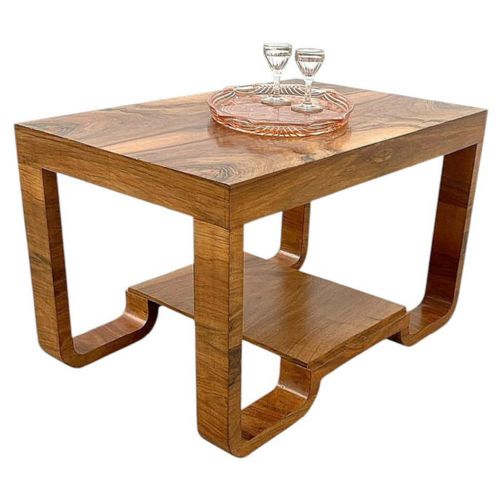
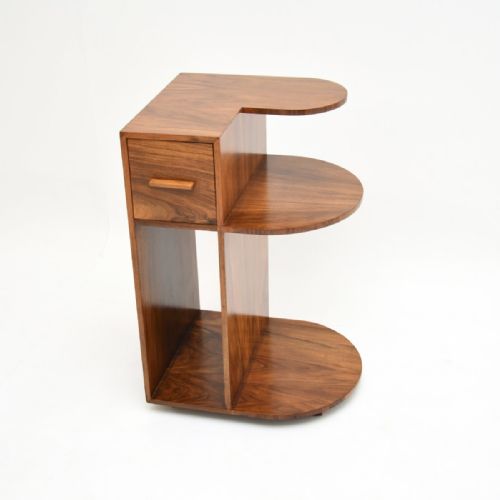
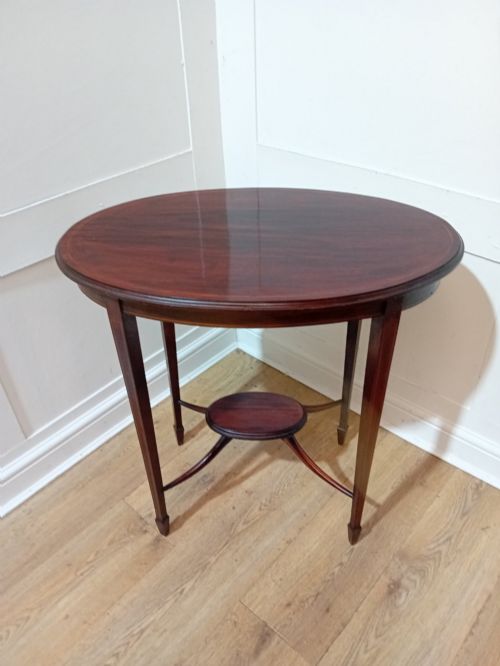
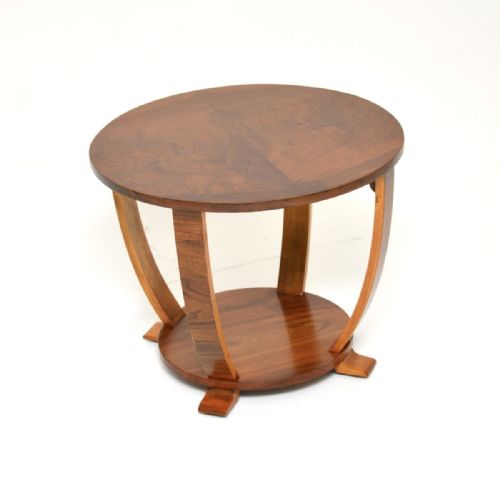
The most common examples encountered here date from the Art Deco period or adopt Edwardian Sheraton Revival idioms. Mahogany and walnut dominate the forms, frequently shaped into kidney silhouettes or circular formats.
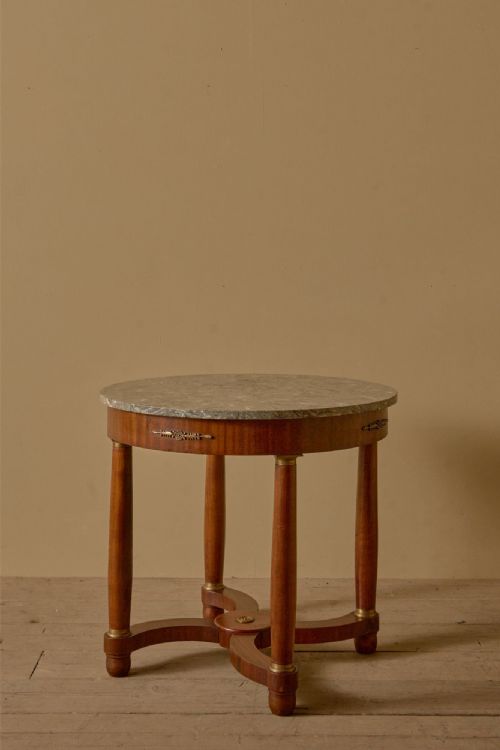
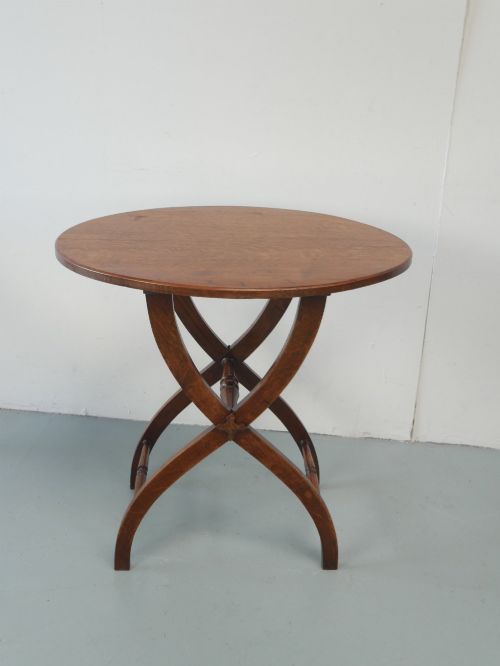
Makers utilised diverse timbers and specific structural curves to ensure these tables functioned independently as side tables, coffee tables, or nests. Their varied profiles accommodate placement beside sofas, armchairs, or against walls.
How they were made
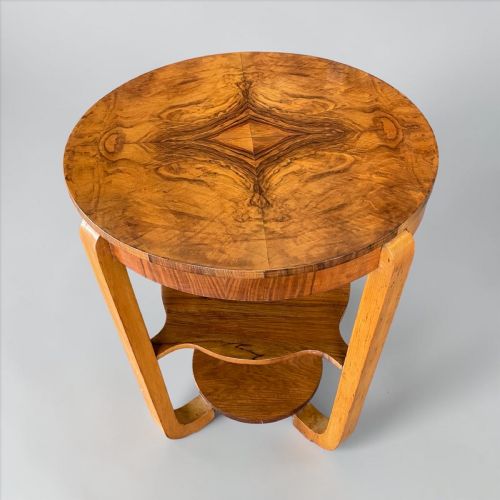
Cabinet makers constructed these tables using solid hardwoods alongside applied veneers, deploying mahogany, oak, and walnut. Artisans shaped burr walnut and figured walnut onto surfaces to display intricate grain patterns.
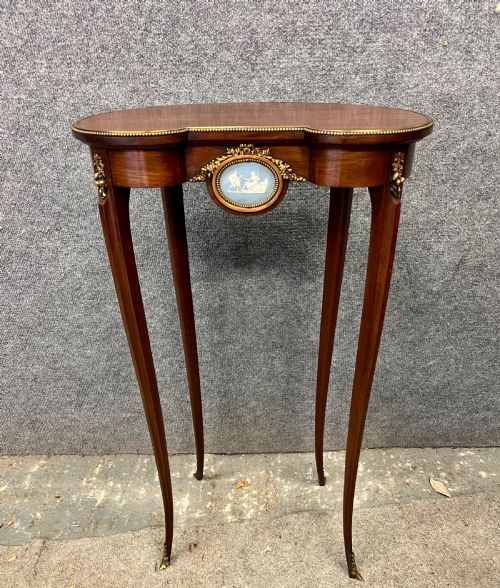
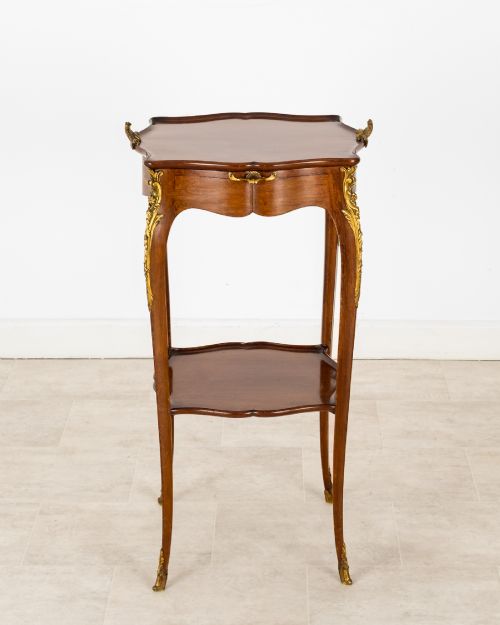
Specialist techniques involved steam-bending timber or cutting solid stock to achieve rounded edges and kidney outlines. Brass mounts, ormolu, and ebony stringing often highlight the structural curves.
Curved Occasional Table Retail Price Guide 2026
Typical asking prices for curved occasional table among the pieces listed under this phrase on Sellingantiques today, from the lower quarter to the upper quarter. They describe what is for sale here now, not the wider market.
Several tables include illuminated tops, proving that twentieth-century designers enjoyed showing off their walnut grain after dark.
What varies in quality
The distinction between ordinary and superior pieces rests upon timber selection and the precision of the curved joints. Figured veneers and matched grain patterns signal deliberate cabinet-making effort.
Structural integrity within the legs and rails determines how well a curved form survives decades of daily use. Subtle details such as hand-cut stringing or integrated brass fittings elevate certain examples above standard workshop production.
François Linke·Harry and Lou Epstein·The Hille Furniture Company·Fischel·Thonet
The Curved Occasional Table Glossary
- Kidney shaped
- A curved horizontal surface resembling a kidney bean, commonly found on Edwardian and nineteenth-century desks and occasional tables.
- Figured walnut
- Timber cut from specific parts of a walnut tree displaying dense, decorative grain patterns. This material appears frequently across Art Deco tables.
- Ormolu
- Gilded bronze mounts applied to furniture for decorative effect. French nineteenth-century pieces often utilise this technique.
- Stringing
- Thin inlaid lines of contrasting wood or metal set into the surface of a table. Regency and Sheraton Revival examples often employ ebony stringing.
- Pembroke table
- A small drop-leaf table featuring hinged flaps on opposing sides. Georgian makers produced these with various surface contours.
Curved Occasional Table: Frequently Asked Questions
Where should I place an occasional table?
These tables fit easily beside armchairs, near sofas, or tucked into empty corners as lamp tables. Their compact dimensions allow them to function independently in tighter spaces.
Their curved silhouettes prevent sharp corners from obstructing movement in busy living areas.
How do I identify Art Deco tables?
Art Deco tables generally date from the 1920s and 1930s, displaying geometric symmetry alongside figured walnut or blonde oak veneers. Their forms emphasise clean lines and rounded, streamlined shapes.
Makers from this era often produced nests of tables or low coffee tables with distinct veneered patterns.
Are Sheraton Revival tables antique?
Sheraton Revival pieces date from the late nineteenth and early twentieth centuries, copying eighteenth-century neoclassical styles. They frequently combine mahogany with delicate stringing and polished surfaces.
These items recreate earlier Georgian lightness while retaining Victorian or Edwardian construction methods.