




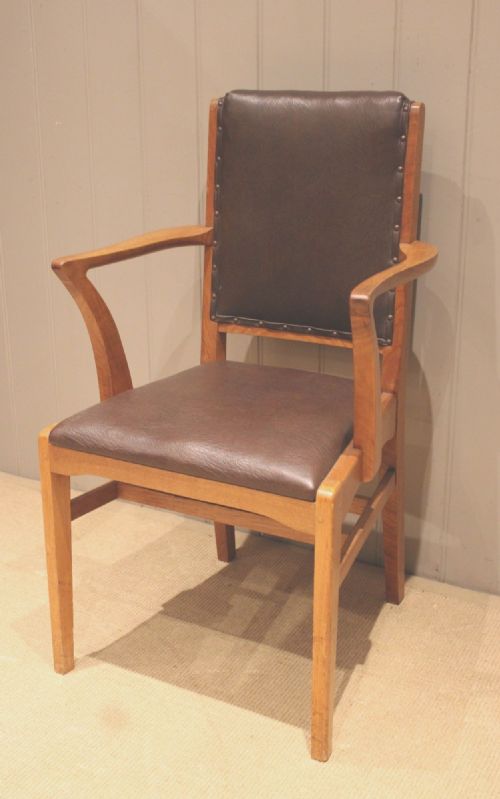

Curved Arm Armchair
A curved arm armchair brings distinct character and solid comfort to a room, offering practical support with genuine historical presence.
Curved Arm Armchair
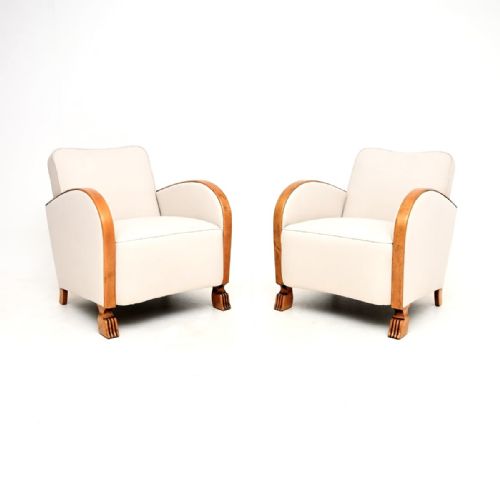
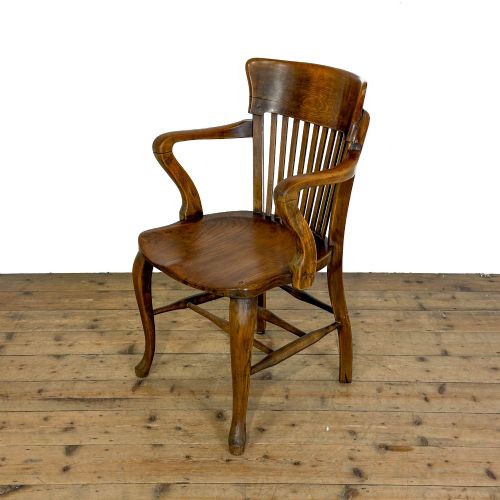
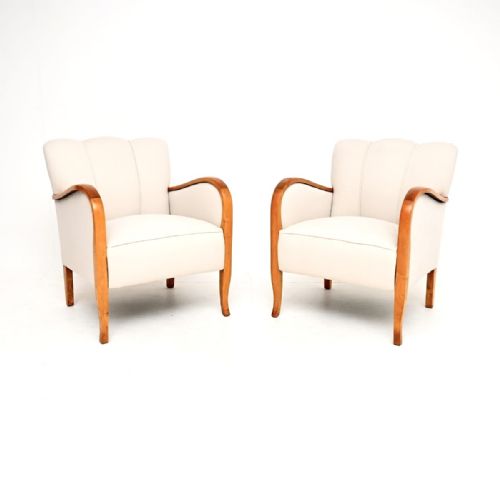
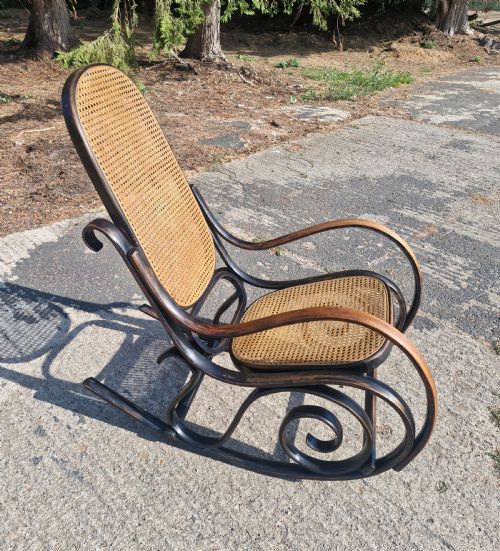
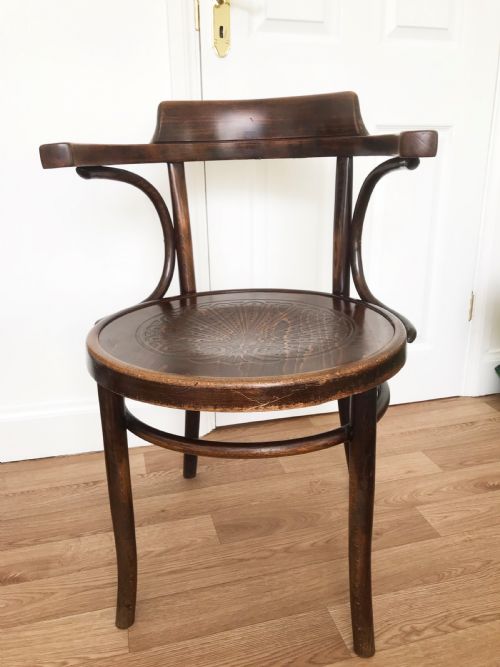
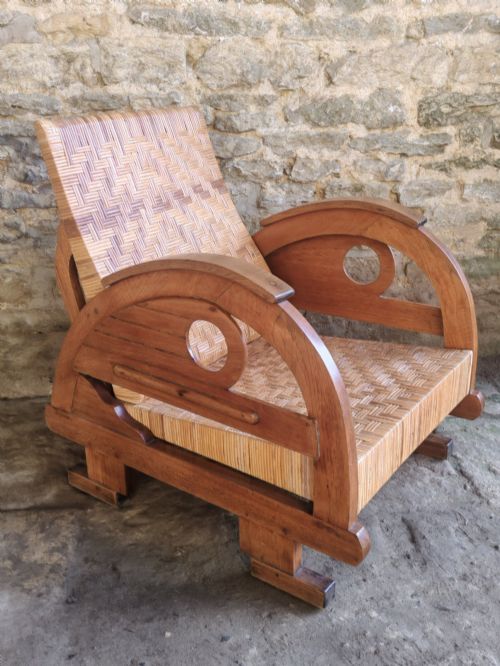
A curved arm armchair encompasses seating designed with sweeping or rounded supports for the arms, drawing from periods ranging through the nineteenth century, Edwardian era, and Art Deco years. These pieces appear in varied forms, including desk chairs, rocking chairs, and club chairs.
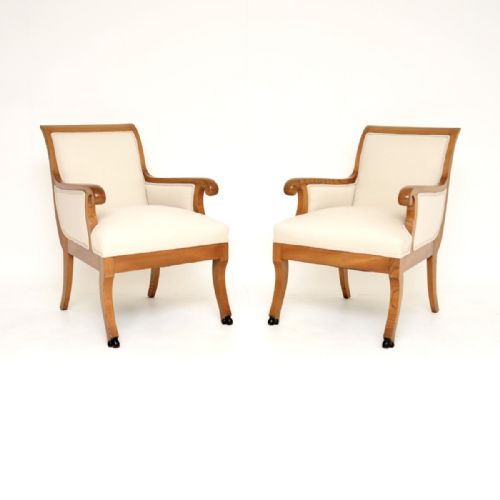
The selection on this page demonstrates broad origins and influences, spanning English country styles, Swedish Art Deco, Biedermeier, and nineteenth-century designs. Buyers encounter solid woods paired with leather or fabric upholstery, suited for studies, drawing rooms, and libraries.
Materials and construction methods
Cabinet makers utilised a range of dense timbers including mahogany, oak, elm, walnut, beech, birch, and satinwood to form the structural frames. Steam bending techniques allowed wood to take curved profiles for bentwood rockers and rounded chair backs.
Surface detailing incorporated brass hardware, ebonised accents, inlay work, and lacquer finishes. Upholstery traditions relied on leather and woven fabric to pad seats and arm rests for daily use.
Curved Arm Armchair Retail Price Guide 2026
Typical asking prices for curved arm armchair among the pieces listed under this phrase on Sellingantiques today, from the lower quarter to the upper quarter. They describe what is for sale here now, not the wider market.
Listings feature timbers such as mahogany, oak, elm, beech, walnut, birch, and satinwood alongside leather and fabric upholstery.
Assessing build and material quality
Quality rests in the integrity of the timber frame and the precision of the joinery, particularly where the curved arms meet the uprights and seat. Solid hardwood construction provides lasting stability compared to lighter or patched assemblies.
The refinement of the carving, the matching of wood grain across pairs, and the grade of the original or restored leather and fabric upholstery distinguish finer examples from standard utility seating.
Thonet
The Curved Arm Armchair Glossary
- Bentwood
- Wood shaped by steaming and pressure into curves. This technique created lightweight, resilient frames for rocking chairs and bistro seats.
- Elbow chair
- An armchair with shorter arms intended for desk or dining use. These chairs fit neatly beneath table surfaces.
- Sabre leg
- A sweeping, concave leg curving outward and backward. This form defines many Regency period desk chairs.
- Biedermeier
- A Central European style prioritising clean lines and utilitarian comfort over ornate decoration. Birch and satinwood often feature in these pieces.
- Tub armchair
- A fully upholstered chair with a continuous curved back and arms forming a rounded enclosure. This shape offers enveloping support.
Curved Arm Armchair: Frequently Asked Questions
Where should I place a curved arm armchair?
These chairs suit studies, libraries, and sitting rooms where their supportive arms and compact profiles work well beside desks or reading tables. Desk chairs pair naturally with writing tables, while club chairs and rockers fit quiet corners.
Selecting the right spot depends on the chair's height and whether its arms clear your desk surface or sit comfortably as a standalone seat.
How do I identify a Regency desk chair?
Regency examples frequently display mahogany frames supported by sabre legs that curve gracefully backward. They often serve as functional desk seating with open arms designed for ease of movement.
Detailing on these pieces typically reflects classical restraint, sometimes incorporating ebonised or decorated elements.
What is the difference between an elm and an oak armchair?
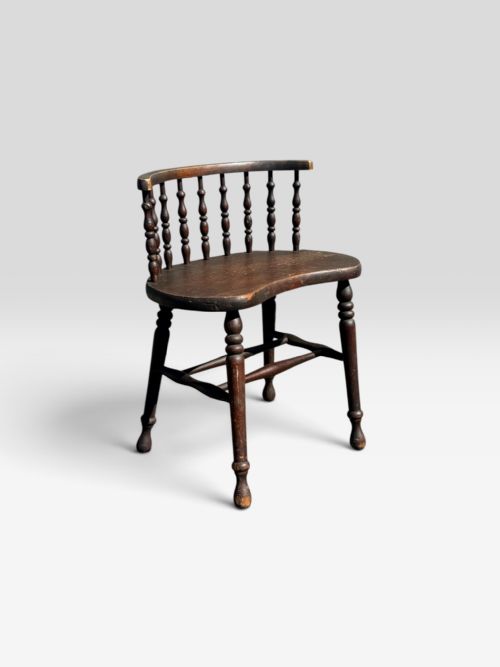
Elm provides a tough, fibrous grain that bends well, frequently appearing in Windsor and country chairs with fluid, organic lines. Oak offers a heavier, more rigid structure with pronounced grain patterns suited to formal or office environments.
Both timbers provide durability, but their visual textures create distinctly different moods in a room.
How do Art Deco armchairs differ from earlier styles?
Art Deco pieces from the 1920s and 1930s embrace smooth leather finishes, satin birch veneers, and geometric or streamlined silhouettes. They depart from the heavier carving of Victorian and Edwardian seating in favour of sleek modernity.
Swedish and continental variants from this period often highlight blonde woods and minimal ornamentation.