





Crystal Wine Stemware
Crystal wine stemware brings weight and clarity to the table, uniting centuries of drinking vessels from heavy Georgian twists to delicate Victorian bowls.
Crystal Wine Stemware
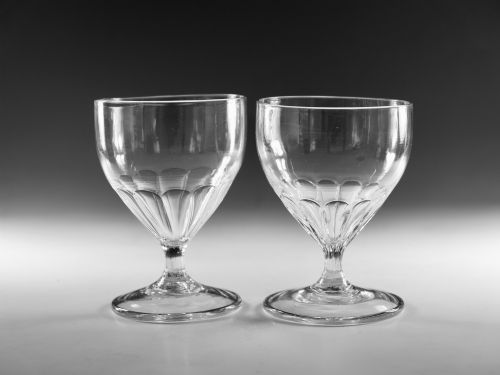
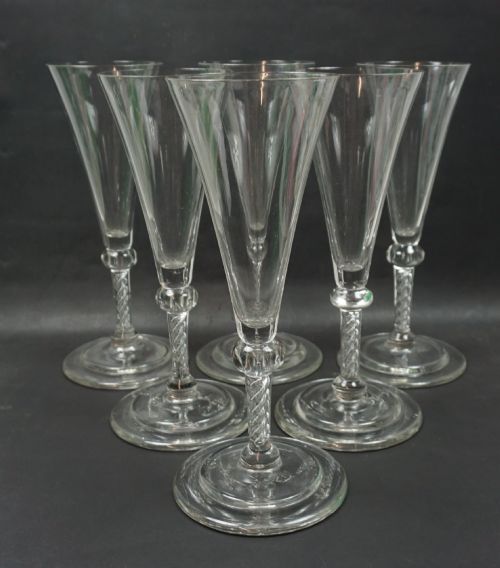
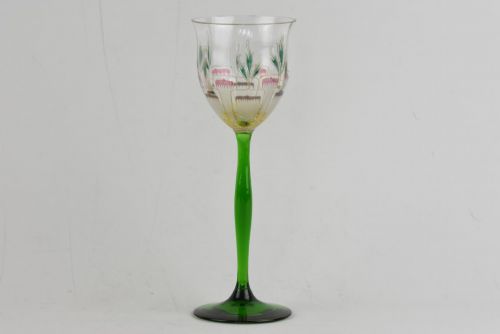
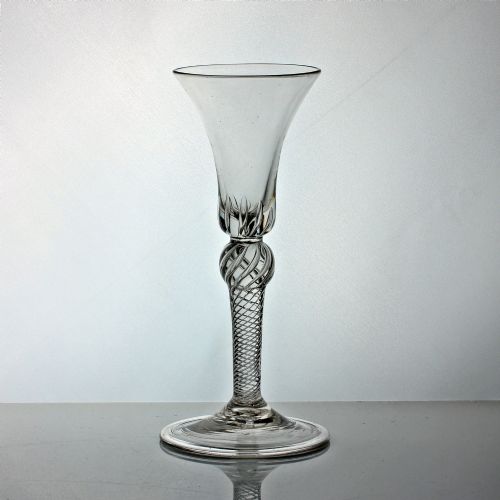
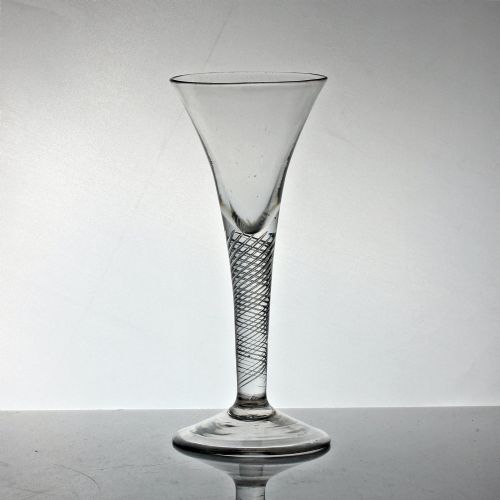
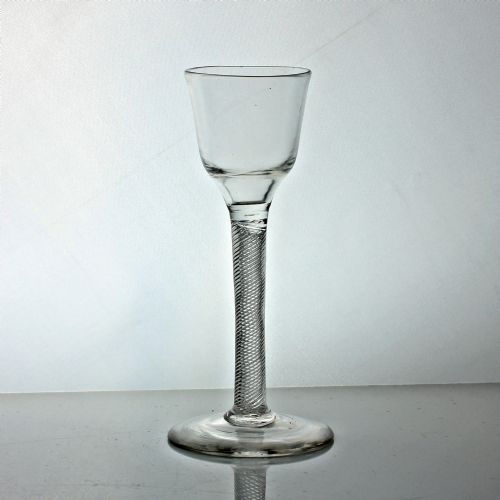
When you search for crystal wine stemware, you enter a field defined by drinking vessels shaped for wine, champagne, hock, port, and ale across the eighteenth, nineteenth, and twentieth centuries. The pieces found here range from robust Georgian lead crystal rummers and facet cut goblets to tall air twist stems and enameled continental glass.
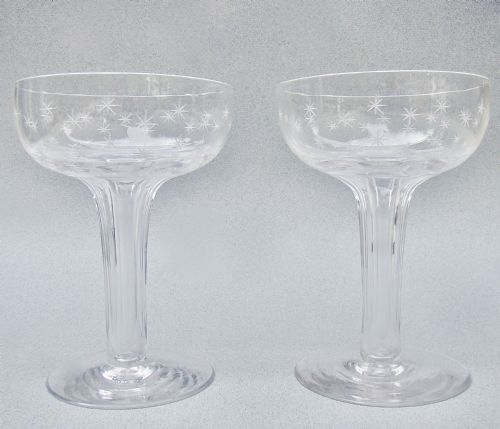
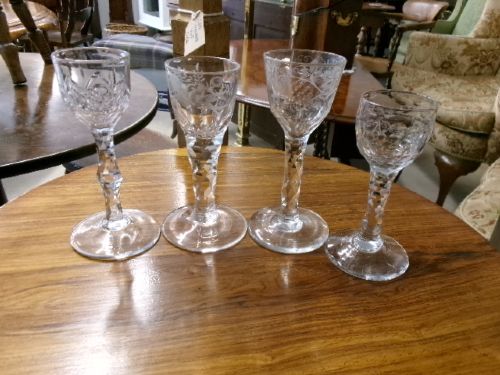
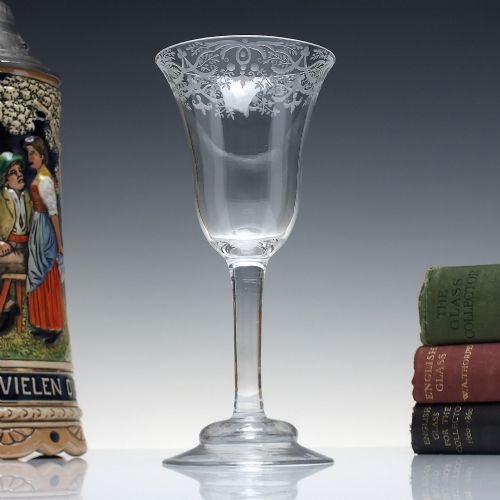
Eighteenth-century examples often display plain, balustroid, or twisted stems supporting deep bowls on folded feet. Victorian and later twentieth-century additions bring star-etched hollow stems, coloured overlays, and elaborate gilding to the table.
Materials and methods
The material foundation rests on lead glass, lead crystal, flint glass, and clear glass, augmented by coloured overlays and gold leaf. Makers shaped these substances using techniques such as air twisting, opaque twisting, facet cutting, and petal moulding.
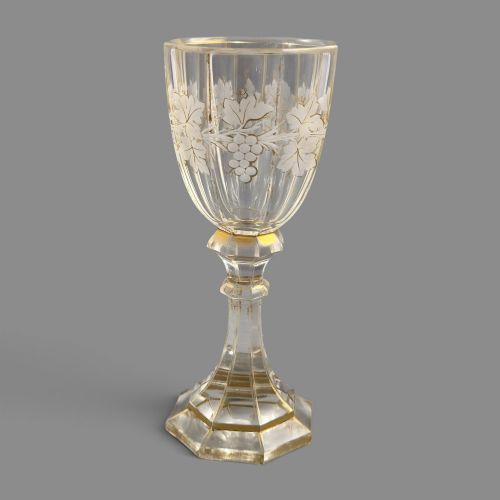
Decoration extended beyond the glass itself through enamel, white enamel, and star-etching or engraving applied to bowls and stems. Component parts like knops and folded feet were manipulated while hot to create structural variety.
Some eighteenth-century glasses contain tiny trapped air threads that catch the candlelight just right when someone proposes a toast.
Assessing quality and character
Quality reveals itself in the purity and refractive index of the lead crystal, alongside the crispness of cutting and the regularity of air or opaque twists inside the stem. Heavier pieces often demonstrate superior clarity and substantial presence in the hand.
The finesse of hand engraving, the even application of gold leaf or enamel, and the symmetry of the bowl and foot dictate the standing of individual drinking glasses within any period.
Moser Bohemian·Baccarat·Theresienthal·James Giles
The Crystal Wine Stemware Glossary
- Air twist
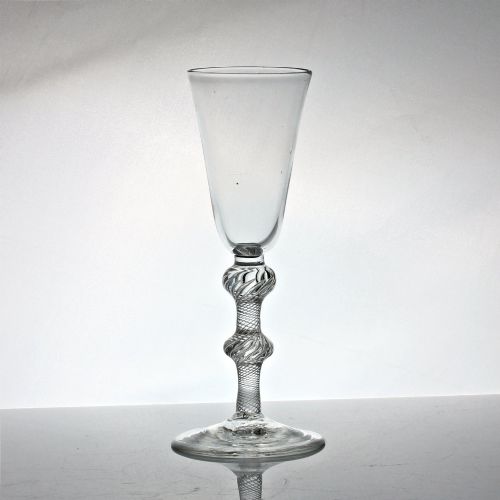
- A stem containing internal threads of trapped air formed during manufacture, visible as spirals winding down the glass.
- Opaque twist
- A stem featuring white or coloured enamel glass rods drawn into spiral threads within the clear metal.
- Balustroid
- A heavy, swelling stem shape derived from architectural balusters, popular in mid-eighteenth-century drinking vessels.
- Knop
- A knob or raised swelling on the stem of a glass, used structurally and ornamentally to divide the height.
- Folded foot
- A base edge turned under and fused back against the underside to add weight and strength to the rim.
Crystal Wine Stemware: Frequently Asked Questions
What is crystal wine stemware?
Crystal wine stemware encompasses drinking vessels fashioned from lead glass and crystal designed specifically for wine and related beverages. These items span periods from the seventeen-hundreds through the twentieth century.
They include diverse forms such as rummers, hock glasses, goblets, and flutes featuring twisted, faceted, or plain stems.
How do I date an old wine glass?
Dating relies on observing form, stem construction, bowl shape, and manufacturing techniques like pontil marks on the base. Eighteenth-century pieces frequently feature air or opaque twists and heavy lead crystal.
Later Victorian and twentieth-century examples introduce coloured glass, heavy cutting, and enamel decoration that reflect changing aesthetic styles.
Can I use antique stemware today?
These historical glasses were built for dining and drinking, and many collectors enjoy using them for special occasions. Hand washing is essential to preserve fragile enamel, gilding, and fine lead crystal.
Careful handling prevents thermal shock and protects the delicate rims and twisted stems from accidental knocks.
What makes an air twist stem different?
An air twist stem incorporates elongated bubbles stretched into helical threads inside the clear glass during hot forming. This technique requires exceptional skill from the glassblower.
Such stems appear primarily in eighteenth-century British drinking vessels and add striking visual movement to the piece.