

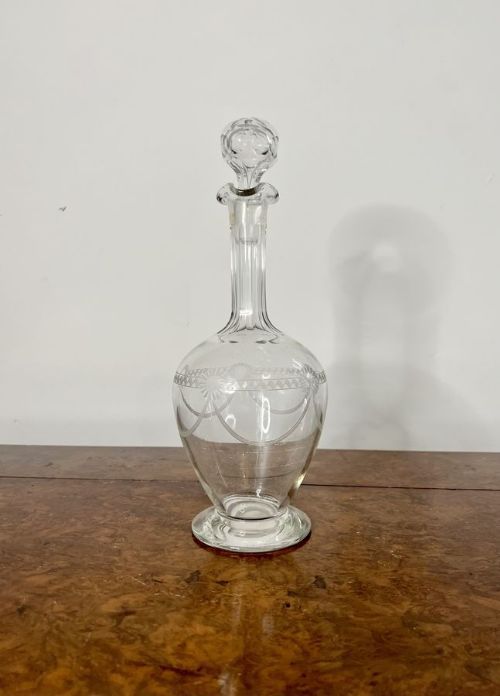


Crystal Wine Bottles
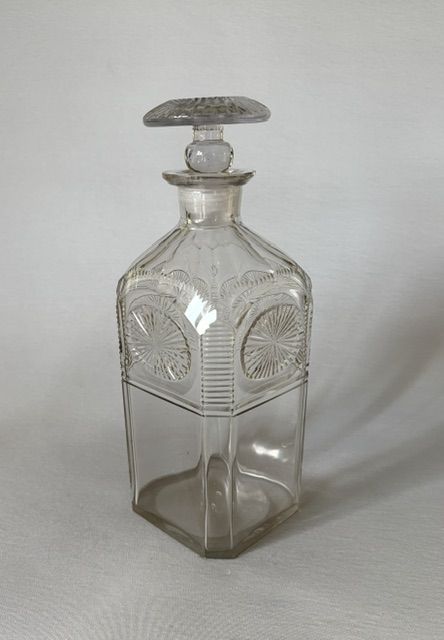
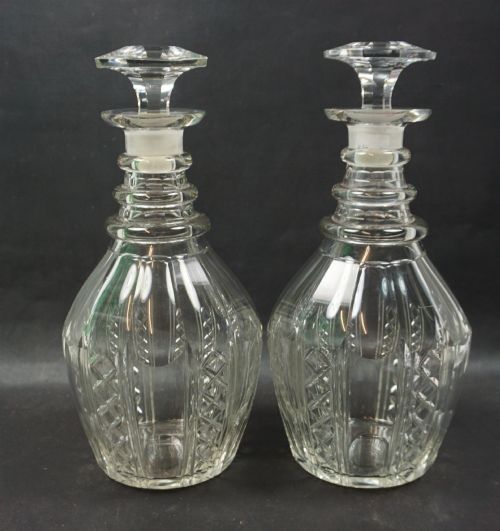
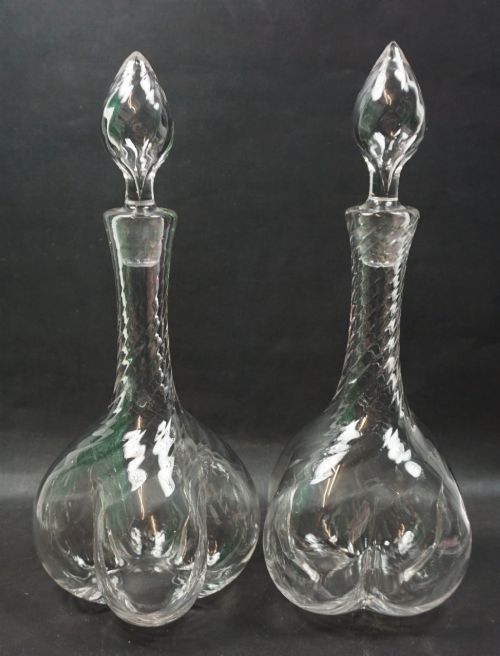
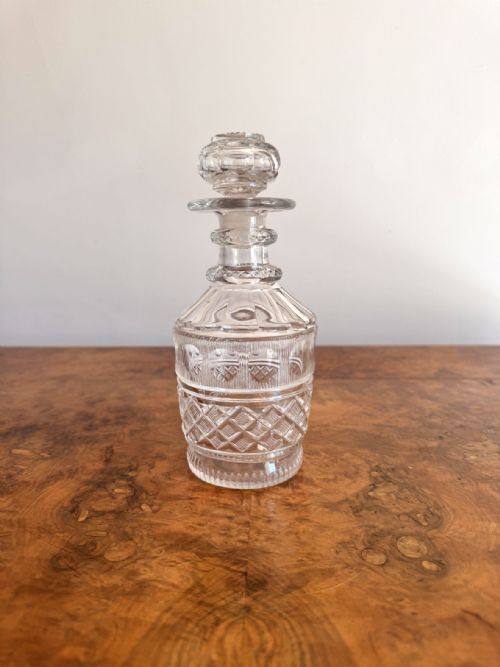
Crystal wine bottles, appearing primarily as decanters and ewers, bring tactile weight and historic craftsmanship to the dining table.
Crystal Wine Bottles
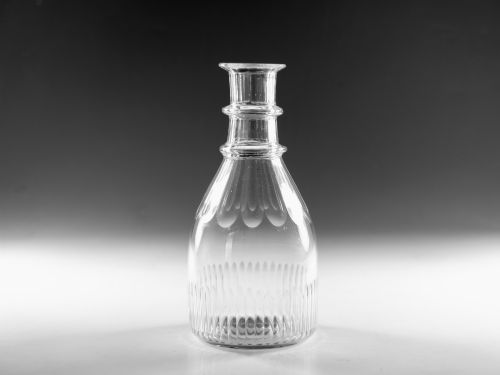
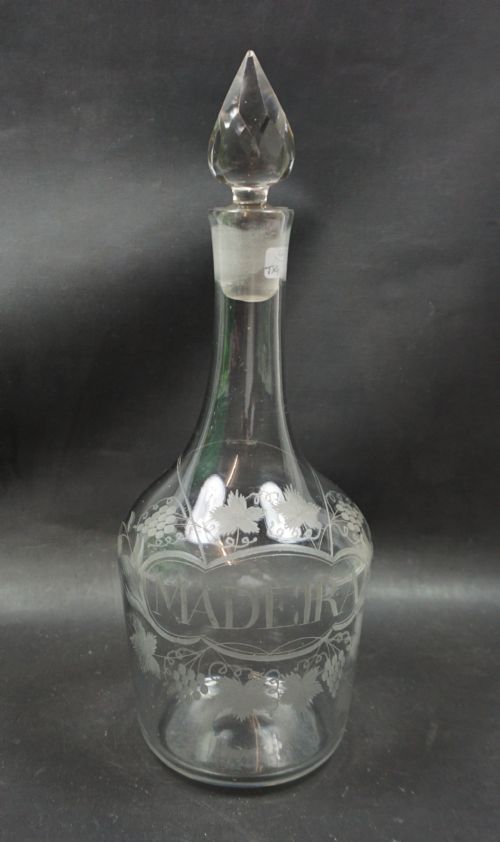
When searching for crystal wine bottles, buyers encounter drinking vessels predominantly designated as decanters, carafes, and ewers. These pieces originate from periods spanning the Georgian, Regency, Victorian, and Edwardian eras, reflecting centuries of dining traditions.
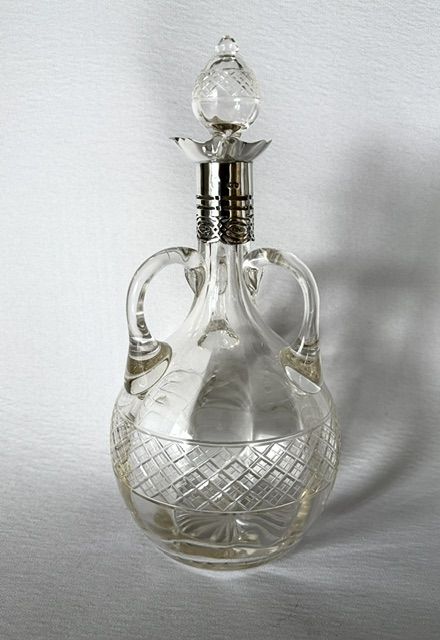
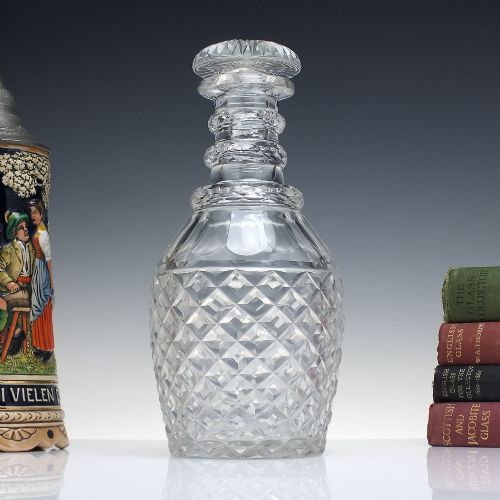
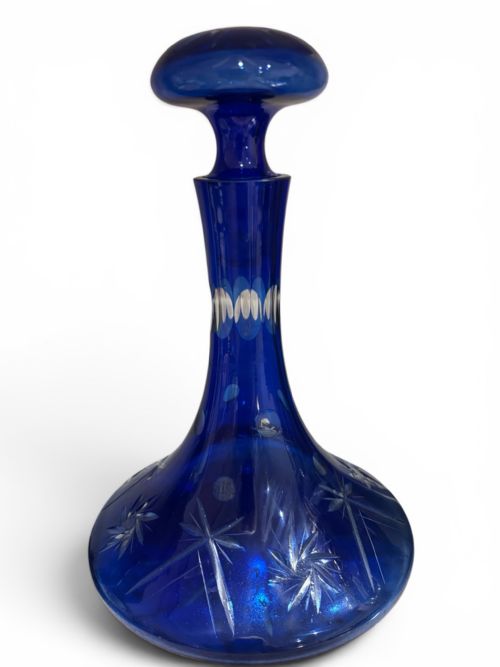
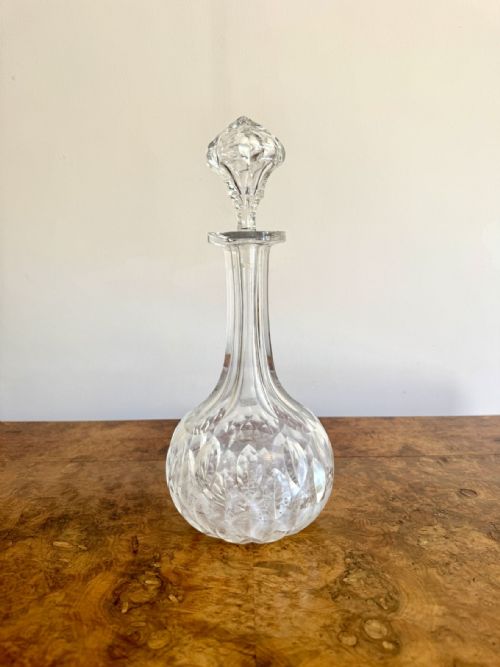
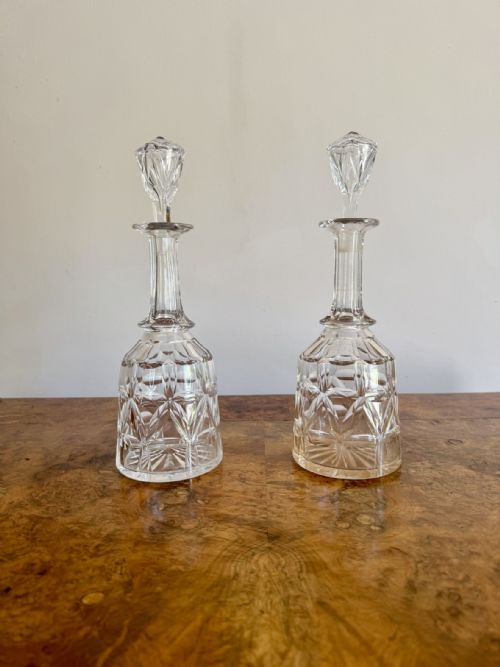
The most common examples on this page are Edwardian and Victorian cut glass decanters, often shaped with substantial shoulders or bell profiles. Alongside standard vessels, related forms such as champagne coolers and colour overlay hock decanters appear within the selection.
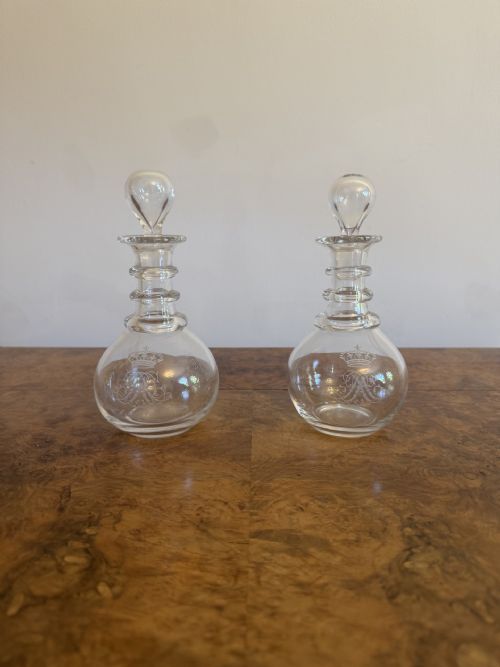
English and Bohemian origins dominate the available items, alongside pieces bearing French influences. Collectors find both single bottles and matched pairs designed for serving wine during formal meals.
Assessing quality and craftsmanship
Quality in these pieces rests upon the crispness of the glass cutting and the weight of the metal components. Superior examples display deeply incised facets that refract light sharply, whereas lesser items show softer, shallower grinding.
The integration of precious mounts also separates standard vessels from finer specimens. Well-fitted silver collars or heavy bronze mounts indicate deliberate workshop production rather than mass output.
Crystal Wine Bottles Retail Price Guide 2026
Typical asking prices for crystal wine bottles among the pieces listed under this phrase on Sellingantiques today, from the lower quarter to the upper quarter. They describe what is for sale here now, not the wider market.
Listings feature vessels from the Georgian, Regency, Victorian, and Edwardian periods, executed in cut crystal, lead glass, and colour overlay.
The Crystal Wine Bottles Glossary
- Decanter
- A vessel designed for holding and serving wine, typically fitted with a stopper. These objects allow wine to breathe before consumption.
- Cut glass
- Glass decorated by grinding facets or patterns into the surface using a rotating wheel. This technique creates sharp edges and brilliant light refraction.
- Lead crystal
- Glass containing a high proportion of lead oxide, increasing its density, refractive index, and overall weight. It serves as the primary medium for high-quality antique vessels.
- Ewer
- A large jug with a flared spout and a handle, used historically for pouring liquids. In this context, they function alongside standard wine decanters.
- Colour overlay
- A technique where a layer of coloured glass is fused over a clear glass body before being cut through to reveal the transparent layer underneath. This method produces high-contrast visual depth.
Crystal Wine Bottles: Frequently Asked Questions
How do I use antique decanters?
These vessels serve for decanting and pouring wine at the table, separating older vintages from sediment. They also function as decorative objects on sideboards when not in active use.
Hand washing in warm water preserves the clarity of the material and protects any fitted silver mounts from harsh detergents.
Are these bottles safe for wine?
Period vessels composed of lead crystal or cut glass hold wine safely for the duration of a meal. Modern standards advise against storing liquids in lead vessels for prolonged periods.
Rinsing the interior thoroughly before each use ensures the wine remains uncontaminated by dust or residue.
How do I date an antique decanter?
Dating relies on stylistic markers such as the cut patterns, the shape of the body, and the presence of silver hallmarks. Georgian and Regency pieces often feature mallet or shaft-and-globe silhouettes, while Edwardian examples display heavier brilliant-cut facets.
Matching the overall weight and manufacturing characteristics to known production periods helps narrow the decade of origin.
What is the difference between a decanter and a carafe?
A decanter typically includes a fitted glass stopper designed to seal the contents between pours. Carafes are generally open-topped vessels meant for immediate service at the table.
Both forms appear frequently among historic dining wares from the nineteenth and early twentieth centuries.