





Crystal Water Jug
A crystal water jug brings bright clarity and weight to the table, uniting practical service with fine period craftsmanship.
Crystal Water Jug
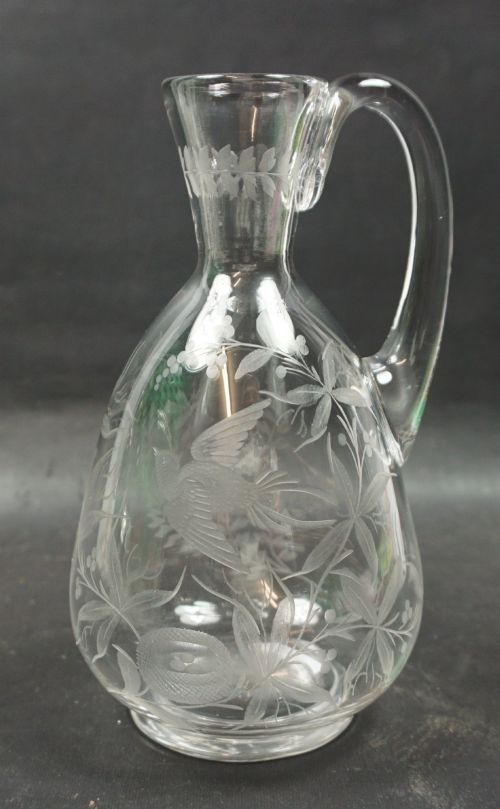
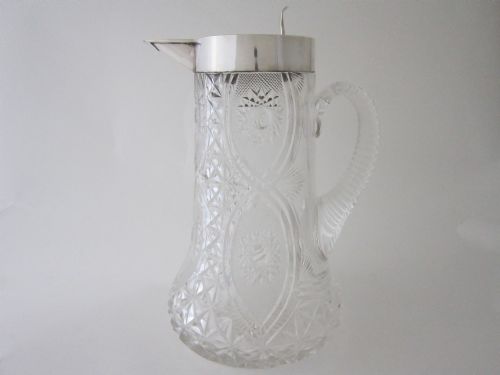
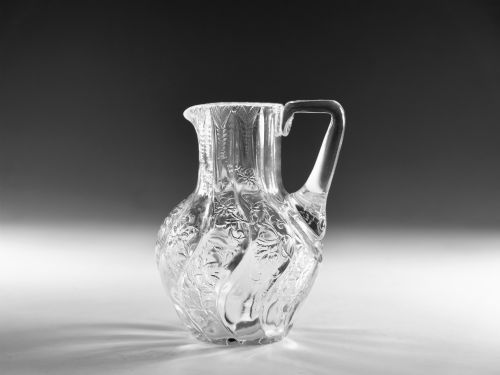
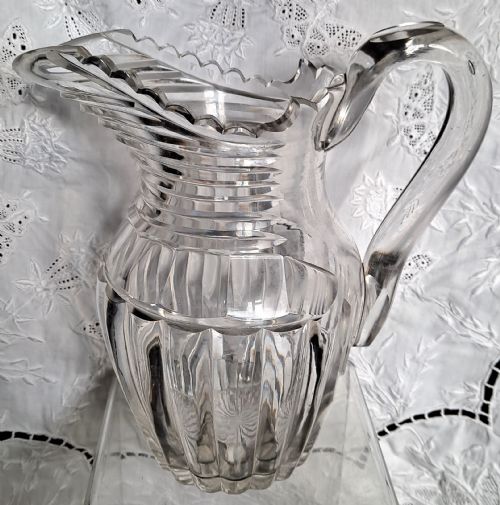
When you search for a crystal water jug, you encounter robust vessels designed for serving water, lemonade, and wine across the nineteenth and early twentieth centuries. The selection spans straightforward pitchers and ewers alongside mounted examples finished with sterling silver or silver plate.
Victorian and Edwardian pieces dominate the selection, often taking the form of heavy cut glass or crystal bodies paired with decorative metal mounts. You also find Regency examples and later Art Deco service sets that reflect changing dining fashions.
Production centres on English and Anglo-Irish workshops, alongside continental makers from Austria and beyond. Forms range from pint-sized vessels to large presentation pieces intended for formal hospitality.
Markers of quality
Quality rests on the depth and crispness of the glass cutting, where sharp facets catch the light without softness or wobble. Superior pieces display substantial weight from high lead content, indicating a dense and sonorous metal.
The integration of metal mounts dictates value in silver-fitted examples, where heavy gauge sterling silver and crisp hallmarks elevate the piece above plated alternatives. Engraved details show mastery when lines remain clean and fluid across curved surfaces.
Crystal Water Jug Retail Price Guide 2026
Typical asking prices for crystal water jug among the pieces listed under this phrase on Sellingantiques today, from the lower quarter to the upper quarter. They describe what is for sale here now, not the wider market.
Several Victorian jugs feature engraved dolphins swimming through cut crystal waves.
William Comyns·Stevens and Williams·Webb Corbett·Richardsons·Tiffany·Lobmeyr·Moser·Gorham
The Crystal Water Jug Glossary
- Lead crystal
- A type of glass containing metallic oxide that increases weight, brilliance, and workability for deep cutting. This material gives period jugs their characteristic ring and sparkling facets.
- Ewer
- A large jug with a wide spout and sculpted handle, traditionally used for pouring water at the table or washstand. Many antique glass ewers double as serving pitchers.
- Latticinio
- A decorative glass technique featuring fine opaque white or coloured glass threads twisted within the clear metal. This method appears on mid-nineteenth-century vessels.
- Intaglio
- A design carved into the surface of the glass rather than left in relief. This technique produces sunken, highly detailed motifs such as foliage and crests.
- Sterling silver
- An alloy containing a high proportion of silver used for mounts, rims, and handles on mounted glassware. Hallmarks on these mounts reveal the assay office and year of manufacture.
Crystal Water Jug: Frequently Asked Questions
How do I date a crystal water jug?
Dating relies heavily on style, cutting techniques, and metal hallmarks where silver mounts are present. Victorian and Edwardian examples often feature registration numbers or assay marks that pinpoint the exact year of production.
Changes in glass clarity, decorative motifs like grape vines or dolphins, and the weight of the piece further align jugs with specific nineteenth or early twentieth-century decades.
Are these jugs safe for daily use?
Most antique crystal water jugs remain structurally sound for serving water, juice, or wine at the table. Hand washing in lukewarm water preserves the clarity of the glass and protects any silver mounts.
Avoid thermal shock by keeping extreme temperature changes away from old lead crystal, which can stress the historic material.
What is the difference between cut glass and crystal?
Lead crystal contains added metallic oxides that soften the material while it is hot, allowing artisans to cut deeper, sharper facets with greater brilliance. Standard cut glass lacks this specific lead content and is typically lighter in weight.
Historical listings often use the terms interchangeably, but high-lead crystal commands attention for its superior refractive properties and ring.