




Crystal Table Decanter
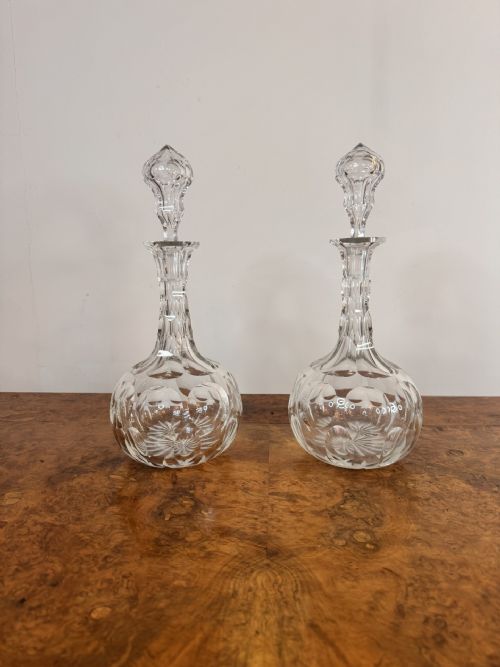
These crystal table decanter pieces bring sparkle to a sideboard, offering the heavy weight and brilliance that collectors prize.
Crystal Table Decanter
When you search for a crystal table decanter, you enter a field defined by nineteenth and twentieth-century glassware designed for the dining table or dressing table. The selection spans robust Edwardian and Victorian decanters, alongside smaller scent bottles, perfume bottles, and cruet sets.
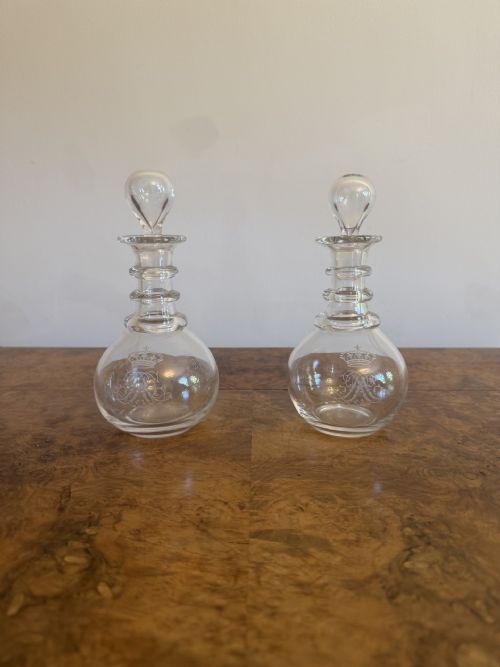
Most pieces you meet here belong to the Edwardian and Victorian eras, often featuring matched pairs or single vessels intended for serving wine or holding scents. Forms range from straightforward cut glass jugs to elaborate silver-mounted claret jugs and multi-bottle cruet sets.
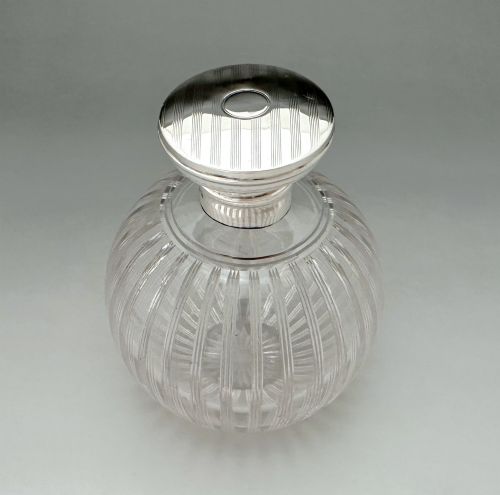
Makers and makers' marks occasionally appear on the precious metal collars rather than the glass itself, linking utilitarian vessels to specific silversmiths. Alongside standard table decanters, related forms like ewers and games compendiums share the same heavy glass vocabulary.
How they were made
The primary materials recorded are lead crystal and cut glass, shaped by blowing or moulding before artisans applied deep geometric or floral incisions to the surface. This heavy glass base provides the characteristic brilliance and substantial weight expected of these vessels.
Mounts, collars, and tops in sterling silver or silver plate were frequently added to complete the design, secured tightly around the bottle necks. Makers such as Karl Palda and Barnsley & Co utilised specialised cutting and mounting techniques to achieve their distinct profiles.
Crystal Table Decanter Retail Price Guide 2026
Typical asking prices for crystal table decanter among the pieces listed under this phrase on Sellingantiques today, from the lower quarter to the upper quarter. They describe what is for sale here now, not the wider market.
Some Victorian households locked their decanters in a tantalus to keep the port safe from the butler.
What varies in quality
Depth and precision of the glass cutting separate standard items from superior examples, with crisper facets catching the light more cleanly. The weight of the lead crystal and the clarity of the clear glass also indicate the skill of the original glasshouse.
The quality of the metal mounts matters greatly, particularly where sterling silver collars bear legible hallmarks or where silver-plated elements retain their original finish. Intricate design work on associated items like cruet frames or tantalus sets further elevates the piece.
Karl Palda·Barnsley & Co·Stevens & Williams
The Crystal Table Decanter Glossary
- Lead crystal
- Glass containing a high proportion of lead oxide, which increases the weight, refractive index, and ringing sound of the material. This composition allows for deeper, sharper facet cutting than standard soda-lime glass.
- Cut glass
- Glass decorated by abrasive wheels that grind facets, flutes, or geometric patterns into the surface. The resulting incisions scatter light and create a textured grip.
- Silver collar
- A metal band fitted around the neck of a bottle or decanter, often made of sterling silver and sometimes bearing hallmarks. It provides a secure seating for a stopper or lid.
- Tantalus
- A locking wooden frame holding decanters securely so they cannot be removed without a key. Invented in the Victorian era, it combined security with the display of good crystal.
- Cruet set
- A matched group of small bottles or jars held in a stand for condiments, oils, or vinegars. These sets frequently employ cut glass bodies fitted with silver or silver-plated mounts.
Crystal Table Decanter: Frequently Asked Questions
Were these pieces used for wine or spirits?
Most large decanters and claret jugs were designed to hold wine, port, or whisky for serving at the dining table. Smaller vessels with stoppers were typically reserved for perfumes, colognes, or specialised table dressings.
The inclusion of silver collars and sturdy glass bases ensured the contents remained sealed and protected during regular household use.
How can I tell Victorian pieces from Edwardian ones?
Victorian glass often displays heavier, more exuberant cutting styles and robust proportions intended for formal dining rooms. Edwardian examples tend to balance traditional heavy crystal with lighter, refined silver mounts influenced by changing decorative tastes.
Examining any silver hallmarks on the collars provides an exact date for the metalwork, which usually corresponds directly to the completion of the piece.
Can I use these decanters daily?
These pieces function well for serving drinks today provided the glass is checked for structural soundness and cleaned properly. Gentle handling prevents chips to the sharp facets of the cut crystal.
For pieces with silver-plated or sterling mounts, polish the metal sparingly to preserve the original hallmarks and surface patination accumulated over the decades.