





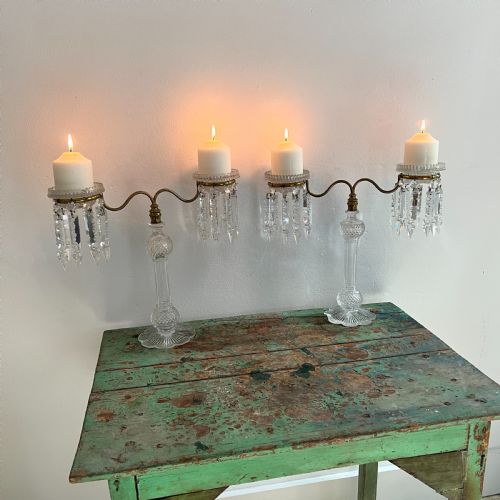

Crystal Glass Candelabra
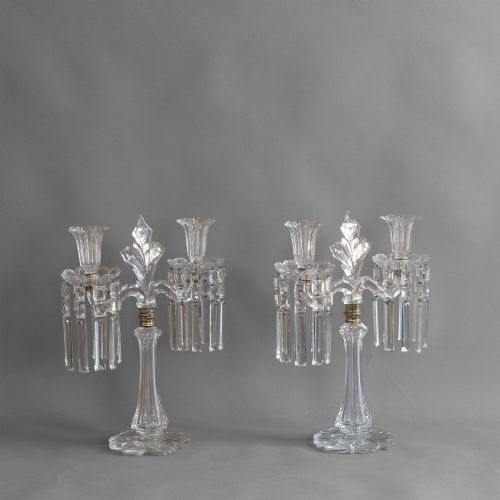
Crystal glass candelabra bring genuine brilliance to a room, combining cut glass drops with sturdy metal frames.
Crystal Glass Candelabra
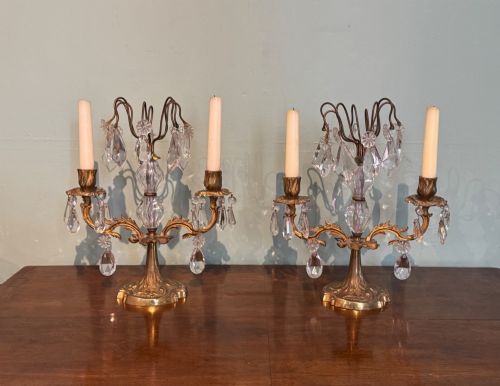
When you search for crystal glass candelabra, you encounter multi-branched lighting fixtures designed to hold multiple candles, often decorated with hanging cut glass drops. These pieces range from compact pairs to large table candelabra created during the nineteenth and early twentieth centuries.
The most common examples on this page are French table pieces and English designs dating from the nineteenth century, Edwardian era, and the nineteen-thirties. You will frequently find pairs featuring brass, gilt-brass, or bronze frames holding cut glass and crystal components.
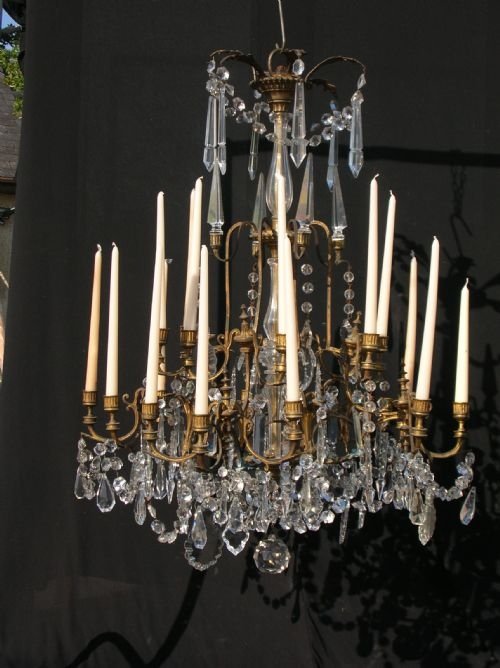
Beyond standard table candelabra, the category embraces related forms including lustres, chandeliers, and converted table lamps. These diverse objects share a common reliance on reflective glass elements to catch and scatter candlelight or electric illumination.
Materials and construction
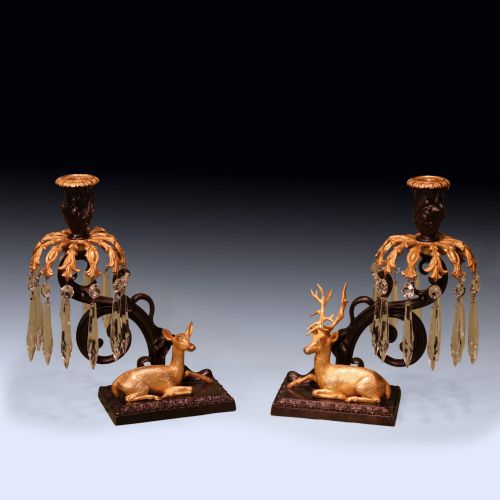
Makers built these candelabra using sturdy metal armatures of brass, ormolu, gilt bronze, and silver metal to support heavy glass components. These metal structures were cast and chased, often incorporating decorative motifs associated with French Empire, Louis XVI, and Art Nouveau styles.
The glass elements rely on precise cutting techniques to create facets that refract light effectively. Cut crystal and glass drops, sometimes referred to as lustres, hang from the arms and bobeches to enhance the visual display when the candles are lit.
Crystal Glass Candelabra Retail Price Guide 2026
Typical asking prices for crystal glass candelabra among the pieces listed under this phrase on Sellingantiques today, from the lower quarter to the upper quarter. They describe what is for sale here now, not the wider market.
Listings on this page span the nineteenth century through the nineteen-thirties, incorporating brass, cut glass, ormolu, and green marble.
Assessing quality and craftsmanship
Quality in these pieces depends heavily on the clarity of the crystal and the crispness of the glass cutting. Superior items show sharp facets and heavy, clear glass without bubbles, whereas lesser examples feature duller, pressed glass with softer edges.
The weight and detail of the metal chassis also define the tier of the piece. Finely chased ormolu and substantial brass castings indicate higher workshop standards than thin, plain metal stampings.
The Crystal Glass Candelabra Glossary
- Cricklite
- A patented trade name for specific nineteenth-century night-lights and candelabra systems, often associated with makers like Clarkes, designed to burn slow-burning wax safely beneath glass shades.
- Lustre
- A table decoration or candelabrum hung with cut glass pendants designed to reflect light from candles placed in the central nozzles.
- Ormolu
- Gilded bronze used widely in French decorative arts, created by applying a mercury and gold amalgam to a bronze base and firing it to leave a durable gold coating.
- Bobeche
- A small, usually removable glass or metal saucer fitted just below the candle nozzle to catch melting wax.
- Regency
- An English design period spanning the early nineteenth century, known for classical restraint and heavy reliance on bronze and ormolu mounts.
Crystal Glass Candelabra: Frequently Asked Questions
How do I clean crystal glass candelabra?
Wash the glass drops individually in warm soapy water using a soft cloth, ensuring you dry them thoroughly before reattaching them to the metal frame.
Keep moisture away from any old brass, gilt metal, or electrified components to prevent tarnishing or damage to the wiring.
Can these candelabra be wired for electricity?
Many examples from the early twentieth century and later periods were designed or subsequently adapted to hold electric bulbs rather than wax candles.
Professionally converted pieces let you use modern lighting safely while retaining the antique appearance of the original glass and brass structure.
How do I distinguish Regency pieces from Edwardian ones?
Regency candelabra typically feature heavier bronze and ormolu mounts with strict classical proportions popular in the early nineteenth century.
Edwardian items from the early nineteen-hundreds often display lighter brass framing and distinct turn-of-the-century revival styling.
Where should I place a large table candelabrum?
These tall multi-branch pieces suit the centre of a dining table or a prominent sideboard where they have adequate clearance from surrounding objects.
Position them away from heavy foot traffic so the hanging glass drops remain safe from accidental knocks.