




Crystal Dressing Table Jar
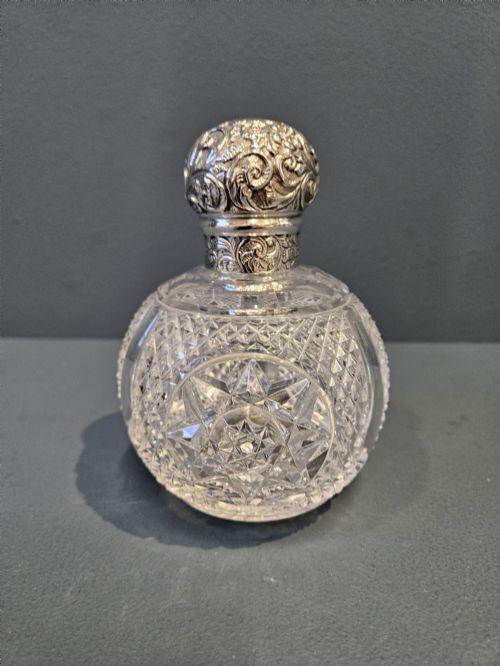
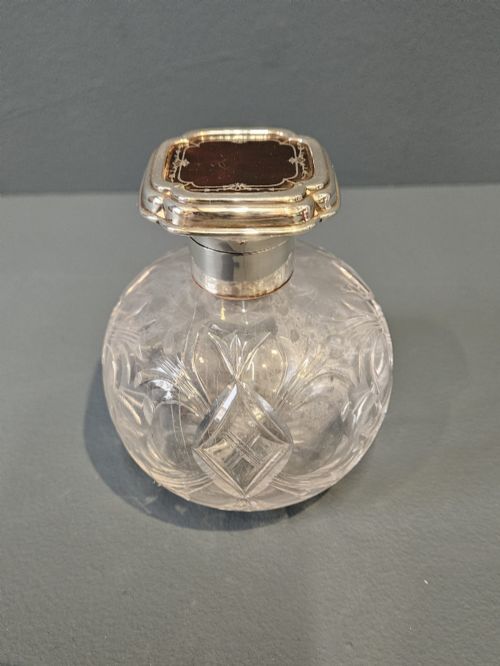
These crystal dressing table jars bring together cut glass bodies and precious metal lids to hold powder, perfume and pins on a bedroom surface.
Crystal Dressing Table Jar
A crystal dressing table jar is a vanity container typically formed from cut glass or crystal and fitted with a metal or decorated lid. Pieces span the Georgian period, the Victorian era, the Edwardian years, and run through Art Deco design up to Mid-Century Modern examples.
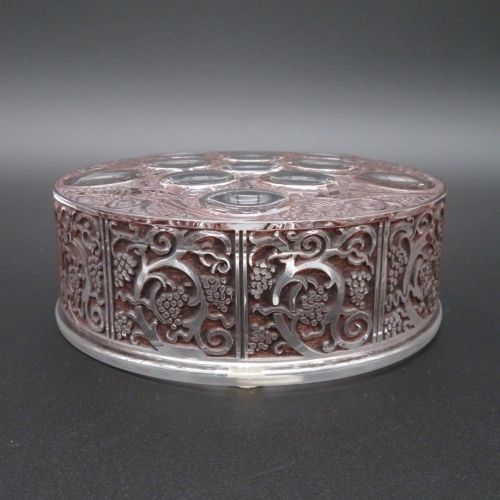
The most common versions encountered here combine cut glass or cut crystal bodies with sterling silver, silver gilt, enamel or tortoiseshell mounts. Forms range from small scent bottles and powder boxes to large hinged trinket boxes and tall vanity jars.
These accessories served a practical role on nineteenth and twentieth century dressing tables for holding cosmetics, perfumes and small trinkets. They survive as decorative dressing table sets or individual vanity jars.
Materials and Technique
Glass bodies are shaped by cutting, moulding or blowing to create faceted surfaces that catch the light. Crystal and glass are combined with sterling silver, silver gilt, enamel and tortoiseshell to form the lids and collars.
Metal mounts are cast or stamped, frequently featuring hallmarks that record the assay office and date of manufacture. Lids often incorporate hinged mechanisms or screw fittings to secure the glass vessel.
Crystal Dressing Table Jar Retail Price Guide 2026
Typical asking prices for crystal dressing table jar among the pieces listed under this phrase on Sellingantiques today, from the lower quarter to the upper quarter. They describe what is for sale here now, not the wider market.
Listings feature cut glass, sterling silver, tortoiseshell and enamel across periods from the Georgian era through to Mid-Century Modern.
Craftsmanship and Weight
Quality rests in the depth and crispness of the glass cutting and the substantial weight of the silver or silver gilt lid. Finer examples show precise faceting on the crystal and well-fitted metal mounts without distortion.
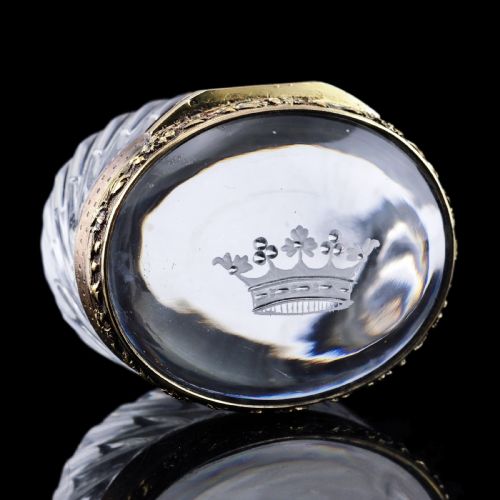
The inclusion of specialist decorative elements like hand-applied enamel, genuine tortoiseshell or coronet mounts separates standard utility items from more ambitious vanity pieces.
Posen of Frankfurt and Berlin·Barnsley and Co·Jonathan Douglas·Lalique
The Crystal Dressing Table Jar Glossary
- Crystal
- A high-clarity glass containing lead oxide, which increases weight and allows for deep, sharp facet cutting.
- Sterling silver
- A silver alloy containing 92.5 percent pure silver by mass, standard for the lids and mounts of these jars.
- Silver gilt
- Sterling silver that has been coated with a thin layer of gold, adding a warm tone to the metal lid.
- Hallmark
- An official stamp applied to precious metal parts indicating the standard of purity, maker and year of manufacture.
- Tortoiseshell
- The shell of certain turtle species used as an overlay on silver-mounted lids during the Edwardian and Art Deco periods.
Crystal Dressing Table Jar: Frequently Asked Questions
What were crystal dressing table jars used for?
These vessels held powders, perfumes, colognes and small personal items on a dressing table. They kept daily cosmetics and trinkets contained in an ornamental manner.
Their presence added a polished element to nineteenth and twentieth century bedroom suites. Many survived as individual vanity jars or matched sets.
How do I date a silver and glass jar?
Silver lids and mounts frequently bear hallmarks that record the assay office, standard and exact year of manufacture. Examining these stamps provides a reliable date for the metal components.
The style of the glass cutting and overall form offer further clues, ranging from Georgian simplicity to Edwardian ornamentation and Art Deco geometry.
How should I clean a vanity jar?
Glass bodies can be washed gently in warm soapy water to remove dust and internal residue. Care must be taken to avoid getting moisture trapped under glued or sealed metal mounts.
Silver lids require appropriate metal polish applied sparingly to avoid staining adjacent glass, enamel or tortoiseshell sections.